Chronological Framework
Gallo-Roman foundations established early infrastructure. Roman roads connected major cities. Arles and Nîmes retain amphitheaters. These structures date to the first century. Medieval Gothic evolution transformed religious architecture. Notre-Dame de Paris rose in the twelfth century. Chartres Cathedral features intricate stained glass. The style emphasized verticality and light. Renaissance classical influence arrived in the sixteenth century. The Loire Valley chateaux reflect Italian styles. Chambord showcases distinct French Renaissance design. Royal power shifted toward centralization. Ancien Régime absolutism defined the seventeenth century. Louis XIV ruled from Versailles. The palace cost millions of livres annually. Court life dictated social norms. The French Revolution ended this era in 1789. Modern industrial shifts began in the nineteenth century. Railways connected distant provinces. Haussmann’s renovation modernized Parisian streets. Contemporary shifts emphasize preservation and innovation. UNESCO sites protect historical integrity. Visitors encounter layers of distinct epochs. Each period left tangible architectural legacies. Understanding this timeline aids site appreciation. Historical context enriches the travel experience significantly.
Medieval Fortifications
Early medieval defense relied on motte-and-bailey structures. These wooden forts sat on earth mounds. They appeared rapidly across France after 900 AD. Lords built them for quick local control. Stone keeps replaced wood by the 11th century. Castles like Chinon featured massive rock-cut foundations. The Albigensian Crusade shaped southern architecture significantly. Cathar castles in the Languedoc region resisted siege. Montségur and Carcassonne exemplify this defensive evolution. Carcassonne’s double walls define its iconic silhouette. The Cité retains 53 towers and two gates. These fortifications protected against Aragonese and French armies. Defensive features included murder holes and arrow slits. Thick walls withstood trebuchet bombardment effectively. Visiting requires planning for peak summer crowds. Carcassonne charges an entry fee of approximately 10 euros. Guided tours last about 1.5 hours. Book tickets online to skip long queues. The site opens daily from 9:30 AM. Winter hours may vary slightly. Wear sturdy shoes for uneven stone paths. The terrain involves significant climbing and stairs. Audio guides are available in multiple languages. Focus on the gatehouses for structural details. These areas show the most complex defenses. Southern castles differ from northern styles. Languedoc fortifications prioritize height and steep slopes. Northern keeps emphasize vertical mass and height. Both styles reflect distinct regional military needs. Understanding these differences enhances historical appreciation. The architecture reveals centuries of strategic adaptation.
Renaissance Châteaux
The Loire Valley became France’s Renaissance center under Francis I. He invited Italian artists to reshape local architecture. Builders merged Gothic verticality with classical symmetry. This shift marked a move from defense to luxury. Castles like Chambord and Chenonceau exemplify this era. Their towers remain, but walls softened into palaces. Royal residences prioritized comfort over military strength. Interiors featured rich tapestries and marble fireplaces. Garden design followed geometric Italian patterns. Boxwood hedges and fountains structured the grounds. These spaces hosted elaborate court ceremonies. Visitors should book tickets months in advance. Popular sites like Amboise sell out quickly. Online reservations secure entry to restricted areas. The Château de Chenonceau spans the Cher River. Its gallery connects two distinct architectural styles. Ticket prices vary by season and site. Standard adult fees range from 10 to 18 euros. Audio guides cost an additional two euros. Group discounts apply for parties of twenty. Guided tours provide deeper historical context. They explain the political influence of Catherine de’ Medici. Her presence shaped the valley’s cultural landscape. The Renaissance period ended with the Wars of Religion. Yet the architectural legacy remains intact. UNESCO recognizes the Loire Valley as a World Heritage site. This status protects the structures from modern development. Preservation efforts maintain original stonework and roofs. Visitors can explore the grounds year-round. Some interiors close during winter months. Checking official websites ensures accurate opening hours. The region offers a clear view into French royal power. It illustrates how art influenced statecraft. The blend of styles defines the era. It remains a key historical marker in France.
Royal Absolutism
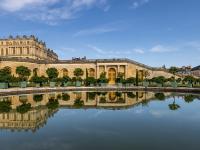
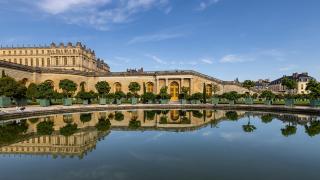
Louis XIV centralized power at Versailles. He moved the court there in 1682. The palace symbolized absolute royal authority. Its Hall of Mirrors displays grandeur. Baroque architecture defined the seventeenth century. Architects used symmetry and scale. Paris saw major urban changes too. Place des Vosges opened in 1612. It was the first planned square. Place Vendôme followed in 1702. These squares featured uniform facades. Royal urban planning imposed order. Court rituals reinforced political hierarchy. Nobles competed for royal favor. Attendance at the lever was mandatory. This system neutralized aristocratic power. Visitors should plan trips carefully. Versailles is open daily except Mondays. Entry fees vary by season. Book tickets weeks in advance. Peak summer months draw crowds. Morning visits offer shorter lines. The gardens require separate tickets. Audio guides provide historical context. Understanding the political context enhances the visit. The architecture reflects divine right. Every detail served the monarch. This era shaped modern France. The Ancien Régime ended in 1789. Its legacy remains visible today.
Revolutionary Heritage
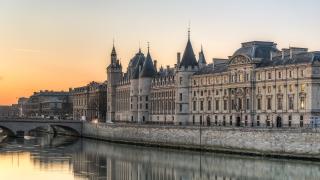
The Conciergerie served as a prison during the Reign of Terror. Thousands awaited execution at the Place de la Révolution. This site marks the height of political violence. Visitors see the cells where Marie Antoinette stayed. The structure now operates as a museum. Admission costs approximately twelve euros. Opening hours vary by season. Check official schedules before visiting.
Secularization transformed religious sites significantly. The Panthéon originally stood as a church. Revolutionaries repurposed it for national heroes. Voltaire and Rousseau rest there now. This shift reflects the new secular state. Other churches faced similar fates. Some became warehouses or stables. Many were restored later.
Paris holds numerous key locations. The Tuileries Palace site saw major unrest. The Bastille’s ruins symbolize the uprising. Museums dedicated to the Revolution exist in Paris. They display artifacts from the era. These collections explain political shifts clearly. Understanding this period requires visiting these sites. The changes altered French society permanently. Modern political structures trace back here. Visitors gain context for current events. The era lasted roughly ten years. Its impact remains visible today.
Planning Your Historical Tour
Structure your itinerary around distinct eras. Focus on Gallo-Roman sites in the south. Visit medieval fortifications in the north. Explore Renaissance châteaux along the Loire. Plan visits to Revolutionary sites in Paris. Book specialized guided tours for deeper context. These tours often cover specific periods like Absolutism. Secure tickets online to avoid long queues. Many museums offer free entry on the first Sunday of each month. The Museum Pass provides access to over 50 national monuments. This pass costs approximately €59 for four days. Show valid student or senior ID for reduced rates. Seek out lesser-known sites to avoid crowds. The Abbey of Fontevraud offers a complete medieval complex. It is less visited than nearby Chambord. Use digital resources for on-site context. Download audio guides before arrival. Many apps provide detailed historical timelines. Check opening hours carefully. Some rural sites close on Mondays. Verify seasonal variations in advance. Plan travel between regions efficiently. High-speed trains connect major historical hubs. Allocate sufficient time for each period. Rushing reduces comprehension. Prioritize sites that align with your interests. This approach ensures a focused and educational experience.