




Climate-Adaptive Layers
France’s geography demands specific clothing strategies. The Mediterranean south experiences high humidity. Coastal areas require breathable fabrics like linen. Cotton tops manage heat effectively in Provence. Alpine regions present distinct cold challenges. Mountainous zones need insulated layers for winter. Northern France faces frequent rainfall. Waterproof shells are essential for Brittany. These regions lack consistent dry weather. Merino wool offers versatile multi-climate utility. It regulates temperature in varying conditions. Pack light layers for easy adjustment. Breathable materials prevent discomfort in humidity. Linen shirts suit southern summer days. Cotton blouses work for urban Paris. Waterproof jackets protect against northern showers. Merino base layers adapt to cold. Avoid heavy cotton in humid zones. It retains moisture and causes chill. Layering allows quick response to shifts. A light jacket suffices for evenings. Pack one versatile dress for travel. Comfortable sneakers aid walking on cobblestones. Specific items address regional climate needs. Mediterranean humidity requires airflow-focused fabrics. Alpine cold demands thermal retention. Northern rain necessitates water resistance. Merino wool bridges these climate gaps. It provides warmth without bulk. This approach ensures comfort across France. Prioritize fabric function over style alone. Linen and cotton dominate southern wardrobes. Waterproof shells define northern packing lists. Merino wool serves as the core layer. This strategy covers France’s diverse weather patterns effectively.
Smart-Casual Attire Norms
Smart-casual attire defines French urban elegance. It balances comfort with refined style. This norm applies to upscale dining and cultural venues. Pack breathable tops or blouses for daily wear. These items manage heat while maintaining a polished look. Versatile dresses serve as efficient wardrobe staples. Choose cuts that allow movement without sacrificing sophistication. Comfortable walking sneakers are essential for urban exploration. Select leather or minimalist designs to blend with local aesthetics. Avoid athletic wear in city centers. It signals tourist status rather than local integration. Dining etiquette requires specific dress codes. Upscale restaurants enforce smart-casual standards strictly. Men should wear collared shirts and closed-toe shoes. Women should opt for tailored trousers or modest dresses. Avoid shorts or flip-flops in fine dining settings. Religious sites impose modesty rules. Notre-Dame and other cathedrals require covered shoulders and knees. Pack lightweight scarves for immediate coverage. These accessories provide utility and style. They allow quick adaptation to strict entry requirements. Scarves also add texture to simple outfits. This strategy reduces packing volume significantly. Focus on neutral colors for maximum versatility. Black, navy, and beige items mix easily. This approach ensures readiness for varied social contexts. Prioritize quality fabrics over quantity. Linen and cotton offer breathability in warm months. Wool blends provide warmth in cooler seasons. Adhering to these norms shows respect for local culture. It facilitates smoother interactions with service staff. It also enhances personal comfort during travel. Smart-casual dressing is a practical necessity. It reflects an understanding of French social expectations. Pack items that meet these specific criteria. This preparation minimizes stress and maximizes enjoyment.
Footwear for Cobblestones
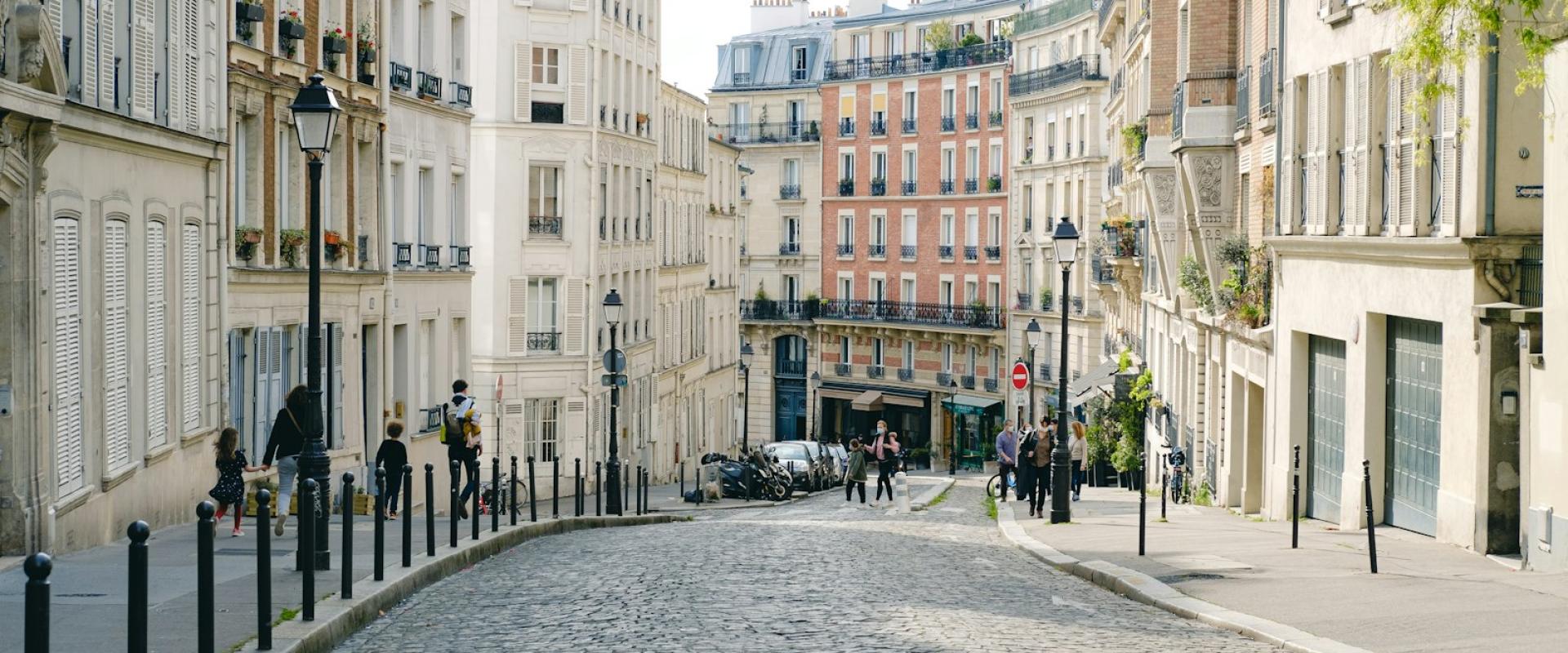
French urban centers feature uneven cobblestone streets. These surfaces pose significant tripping hazards. Improper footwear increases injury risk. You must prioritize stability over aesthetics. Supportive sneakers provide necessary cushioning. They absorb shock on hard stone. Leather flats offer flexibility and comfort. They adapt well to narrow sidewalks. Avoid high heels entirely. They sink into gaps between stones. They cause ankle instability on slopes. Heavy hiking boots are also unsuitable. They appear bulky in city settings. They lack the breathability needed for summer. Pack versatile shoes for daily wear. Choose dark colors to hide dirt. This strategy balances style with physical comfort. You will walk several kilometers daily. Proper support prevents foot fatigue. French locals prefer understated, practical shoes. This norm applies to all ages. You should pack two pairs minimum. One pair for walking tours. Another for evening dining. Ensure all shoes are broken in. New shoes cause blisters on cobblestones. This advice applies to Paris and Lyon. It also holds true for Bordeaux. Prioritize foot health during your trip. Comfort ensures you enjoy cultural sites. Do not sacrifice support for fashion. The terrain demands practical solutions. Your feet will thank you later.
Electronics and Adapters
France utilizes Type E electrical outlets for all standard power connections. These sockets feature two round pins and a protruding grounding pin. Travelers must bring Type E adapters for most international devices. The national voltage standard is 230V at 50Hz. Single-voltage devices from 110V regions require voltage converters. Plugging 110V electronics directly into 230V outlets causes immediate damage. Always check device labels for dual-voltage compatibility before travel. Public transit security requires strict electronic management. Keep laptops and tablets in carry-on bags at all times. Theft risk increases significantly on high-speed TGV trains. Never leave devices unattended in overhead luggage racks. Use TSA-approved locks for checked luggage containing electronics. USB-C hubs offer significant benefits for multi-device travelers. They consolidate charging ports for phones, tablets, and cameras. This reduces the need for multiple bulky power bricks. A single hub simplifies power management in small hotel rooms. Pack a universal travel adapter with surge protection. Surge protectors safeguard against unstable power grids in older buildings. Verify adapter compatibility with French socket specifications before departure. Bring extra charging cables for extended transit periods. Portable power banks are essential for long day trips. Ensure power banks remain under 100Wh for airline compliance. Secure all devices with tracking tags for added safety. Digital backups of important documents should be stored in the cloud. This ensures access even if physical devices are lost or stolen. Prioritize compact, lightweight electronics to maximize packing efficiency. Avoid bringing unnecessary high-wattage appliances that require heavy converters. Focus on essential, dual-voltage gadgets for a streamlined experience.
Documentation and Transit Essentials
Passport validity requires six months beyond your departure date. Keep digital copies of all travel documents in secure cloud storage. Physical photocopies should remain in separate luggage compartments. This strategy prevents total loss during theft. France mandates specific identification for domestic train travel. Always carry your passport or national ID card. Transit payment relies heavily on contactless technology. The Navigo pass offers unlimited weekly travel in Paris. Purchase this pass at any metro station kiosk. It covers all zones within the designated area. Cash remains useful for small rural vendors. Keep small euro bills for market purchases. Security accessories are critical in crowded transit hubs. Use anti-theft bags with locking zippers. Wear cross-body bags in front of your torso. Pickpockets target tourists in busy metro stations. Stay alert during peak commuting hours. Reusable water bottles reduce plastic waste significantly. Fill bottles at public drinking fountains. These fountains provide safe, free tap water. Avoid buying bottled water for daily hydration. This practice saves money and reduces environmental impact. Pack a portable power bank for navigation apps. Ensure your phone remains charged for emergency use. Offline maps function without active data connections. Prepare these items before arriving in France. Smooth transit depends on proper documentation and preparation.