







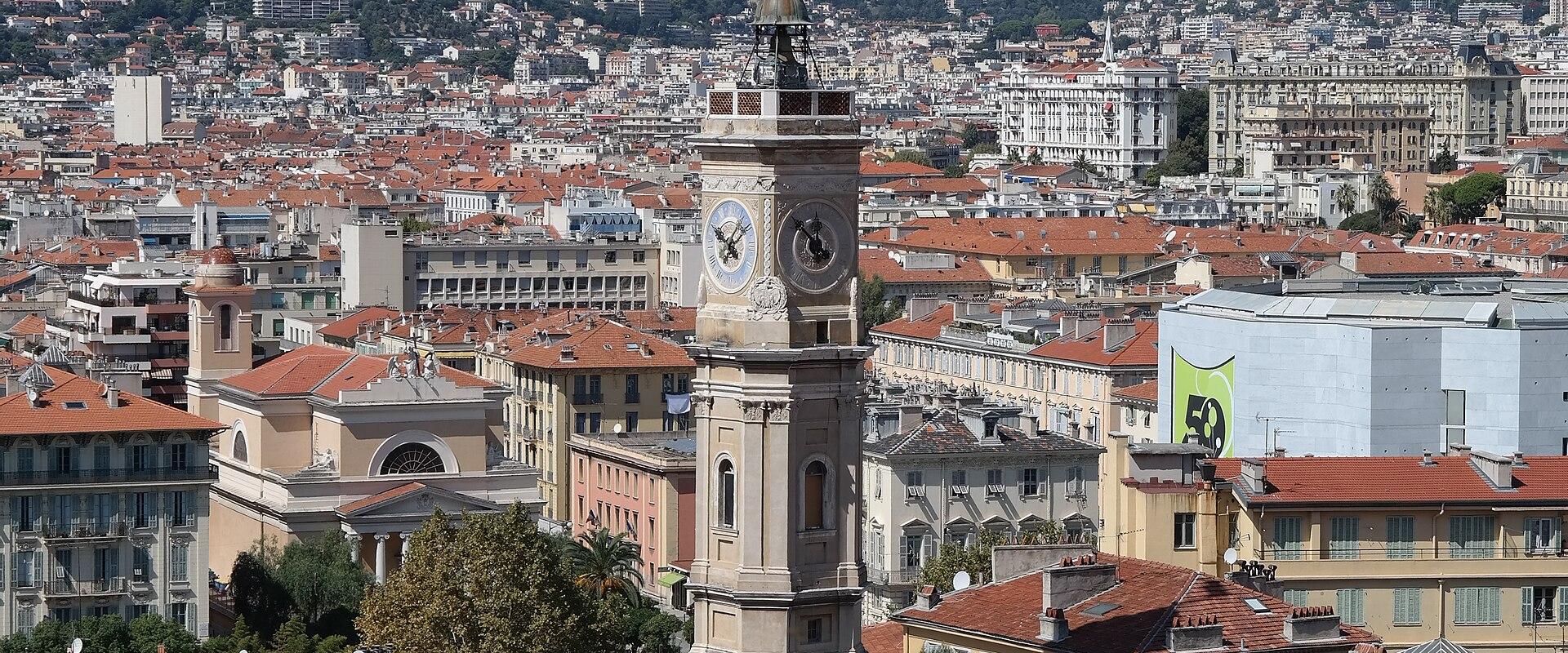
Nice, located on the Mediterranean coast in the Alpes-Maritimes department, is the fifth-most populous city in France and the prefecture of the Alpes-Maritimes. Its history is deeply rooted in its strategic position on the Mediterranean. Originally a Greek settlement known as Nikaia, it later came under Roman rule and then became part of the County of Savoy. The city remained under Savoyard and later Italian influence until 1860, when it was ceded to France following the Treaty of Turin. This complex history is evident in the city's architecture, cuisine and culture, which blend French and Italian elements. The Old Town, or Vieux Nice, retains its medieval layout with narrow, winding streets, Baroque churches and historic mansions. The Cathedral of Nice, dedicated to Saint-Réparate, is a prominent landmark in the old town, featuring a distinctive facade, a Baroque dome of colored tiles and an interior adorned with religious art.
The city's most iconic feature is the Promenade des Anglais, a wide esplanade along the Mediterranean Sea, named after the English aristocrats who helped develop the area in the 19th century as a winter resort. This promenade offers views of the azure waters and is lined with palm trees, hotels and cafes. Opposite the promenade lies the Baie des Anges, a bay with pebble beaches where visitors can relax and enjoy the sun. The Colline du Château, a hill overlooking the city, provides panoramic views of Nice, the bay and the surrounding mountains. The medieval castle that once crowned the hill was destroyed in 1706, and the site has been transformed into a park with gardens, a waterfall and viewpoints. The Cours Saleya market, located near the old town, is a vibrant daily market selling flowers, produce and local specialties, adding to the city's colorful atmosphere, and the Place Masséna and the Jardin Albert 1er are other central spots. The Russian Orthodox Cathedral of Saint Nicolas, with its onion domes, was built in 1912.
Nice is also a cultural hub, home to numerous museums and galleries. The Matisse Museum, housed in a 17th-century villa in the Cimiez district, displays a significant collection of Henri Matisse's works, reflecting his deep connection to the city. The Marc Chagall National Museum features a series of stained-glass windows and paintings by Chagall on biblical themes, including his famous 'Peace' window. Nice boasts the Musée d'Art Moderne et d'Art Contemporain (MAMAC), which houses modern and contemporary art. The Villa Kérylos, a reconstruction of a Greek villa, stands at nearby Beaulieu-sur-Mer. The city's culinary scene is renowned for its Niçoise cuisine, featuring dishes like salade niçoise, socca (a chickpea pancake) and pissaladière (an onion tart), as well as ravioli and stockfish. Visitors can explore local markets and restaurants to experience these flavors.
Activities in Nice range from leisurely strolls to water sports. The Promenade des Anglais is ideal for walking, jogging and cycling. The beaches offer opportunities for swimming and sunbathing, while the nearby coastal hills and the Mercantour mountains provide hiking and climbing opportunities, and the calanques of the Esterel, some distance to the west, are reached by train, while the better-known Calanques of Marseille are much farther away, and the wider French Riviera stretches along the coast in both directions. Day trips to Monaco, Èze and Saint-Paul-de-Vence are popular, allowing visitors to explore the broader region. Getting to Nice is convenient via Nice Côte d'Azur Airport, which offers direct flights from major European cities. The city is also well-connected by train, with TGV services linking it to Paris and other French cities, and a tram runs through the city. The best time to visit is from May to June and September to October, when the weather is warm and pleasant, and the crowds are smaller. July and August are hot and busy, ideal for beach activities but less suitable for sightseeing due to the heat and crowds. Winter is mild, making it a pleasant time for those who prefer cooler temperatures and fewer tourists, and the carnival in February is a highlight.
Best time to visit
May to June and September to October offer warm weather and fewer crowds for optimal exploration.
What to see in Nice
Our picks first.
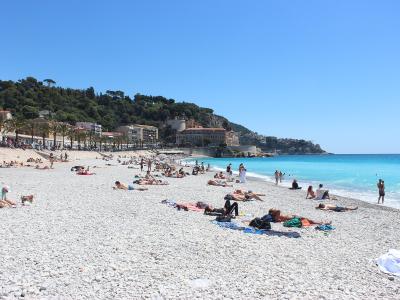
Promenade des Anglais
7km palm-lined coastal boulevard in Nice
Coastal Promenades · Heritage Trails
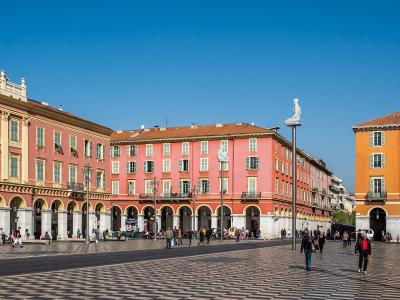
Place Masséna
Black-and-white lattice square with Plensa sculptures
Free Historic Architecture · City Centers
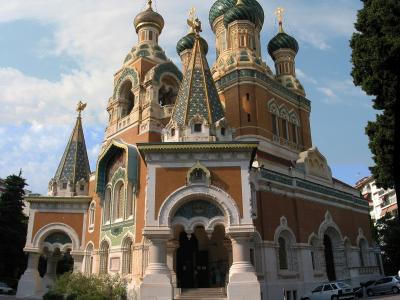
Cathédrale Saint-Nicolas
Russian Orthodox cathedral built by Tsar Nicholas II
Free Architectural Landmarks · Churches
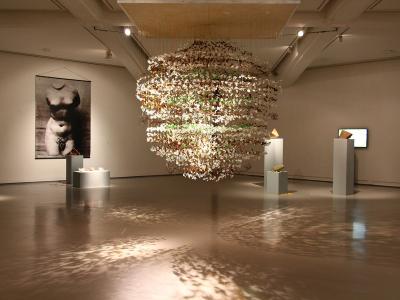
Musée d'Art Moderne et d'Art Contemporain (MAMAC)
Modern and contemporary art in Nice
Museums & Culture
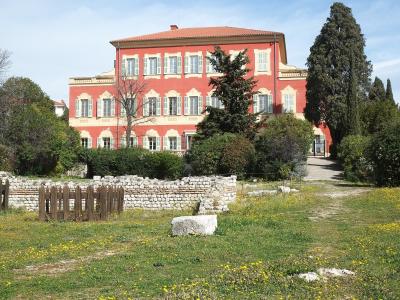
Musée Matisse
Matisse villa in Cimiez Gardens
From €9 Art Museums · Gardens
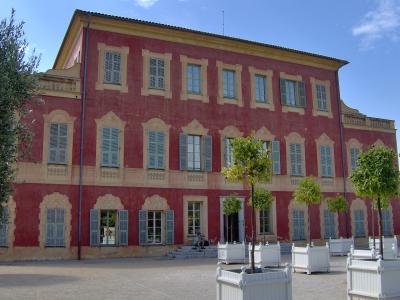
Musée Henri Matisse
Birthplace of Fauvism in a 17th-century villa
From €9 Museums & Culture
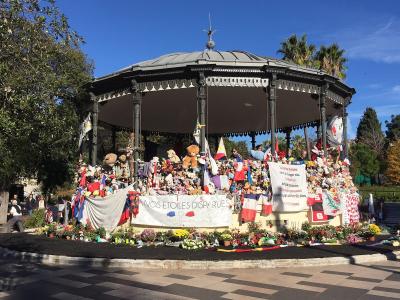
Jardin Albert 1er
Historic 3-hectare park with Venet arc
Free Nature & Parks · Urban Exploration
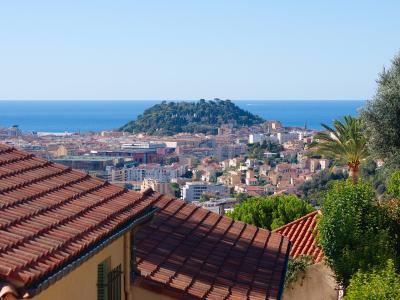
Castle Hill (Colline du Château)
92m hill with free elevator and panoramic views
Free Historic Architecture · Nature & Parks
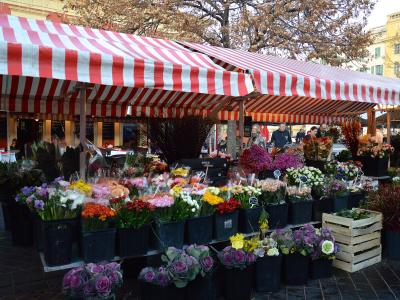
Marché aux Flowers
Historic 1861 flower market in Nice's Old Town
Free Historic Towns · Local Cuisine
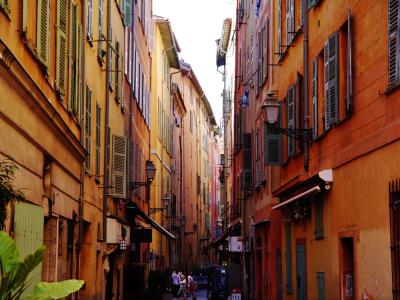
Vieux Nice (Old Town)
Narrow streets and Baroque architecture in historic Old Nice
City Centers · Historic Towns
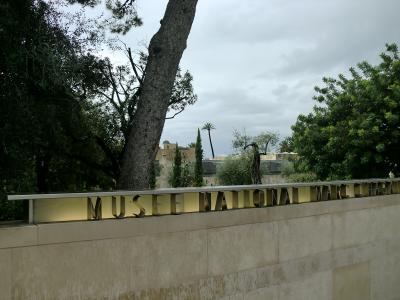
Musée Marc Chagall
Purpose-built museum housing Chagall's Biblical Message c...
Art Museums
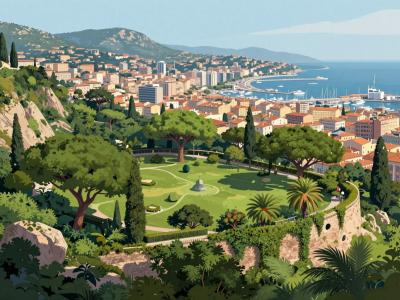
Parc de la Colline du Château
Hilltop park with panoramic views of Nice
Free Coastal & Maritime · Guided Experiences
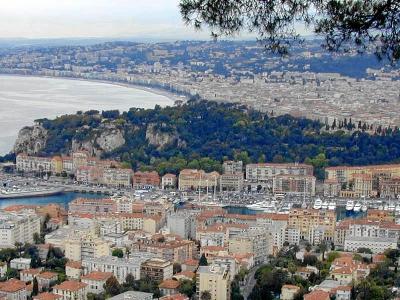
Colline du Château
19-hectare park with 360° views of Nice
Free Historic Architecture · Nature & Parks
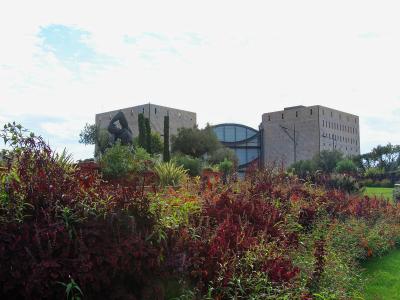
Musée d'Art Moderne
Modern art museum in Nice, France
Free Museums & Culture
Nice by interest
The same sights, grouped by what you came for.
Did you know?
Checked facts about Nice, each with its source.
-
History
Nice Has Only Been Definitively French Since 1860
For centuries Nice belonged to the House of Savoy and the Kingdom of Sardinia -- apart from a two-decade French interlude during the Revolutionary and Napoleonic era (1793-1814), it only became definitively French in 1860, when the Treaty of Turin (signed 24 March 1860) ceded the city to France. A plebiscite held on 15-16 April 1860 officially returned a lopsided 25,933 votes for annexation against just 160 opposed -- though historians note the vote was heavily stage-managed, with opposition press suppressed and "no" ballots missing from most polling stations -- and France took formal possession that June. Giuseppe Garibaldi, the Italian unification hero who was born in Nice and sat as its deputy in the Turin parliament, bitterly protested the handover, but the deal stood -- which is why Nice's old town still feels distinctly Italian.
Source: Wikipedia
Planning a visit to Nice
Good to know
- Currency
- EUR
- Language
- French
Quick Facts
Book your stay
Questions people ask
More places in Provence-Alpes-Côte d'Azur
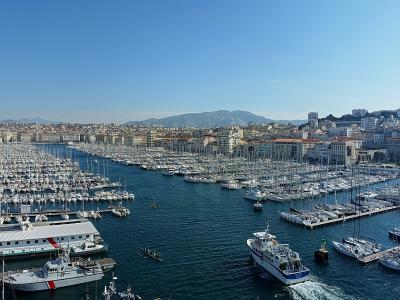
Provence-Alpes-Côte d'Azur
Marseille
France's oldest city and largest Mediterranean port
Provence-Alpes-Côte d'Azur
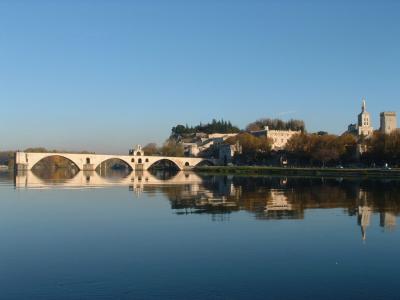
Avignon
The walled city of the popes on the Rhône, home of a world-famous theatre festival
Provence-Alpes-Côte d'Azur
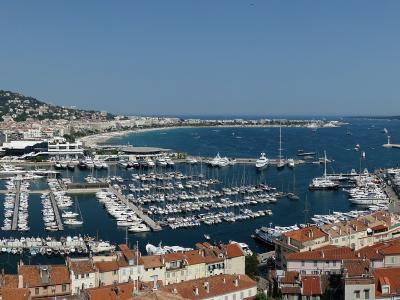
Cannes
Riviera glamour on La Croisette, home of the world's most famous film festival
Provence-Alpes-Côte d'Azur
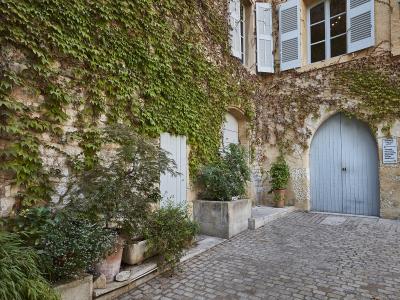
Aix-en-provence
Historic Provençal city known for fountains and Cézanne