Chamonix
Alpine gateway to Mont Blanc with world-class skiing and hiking
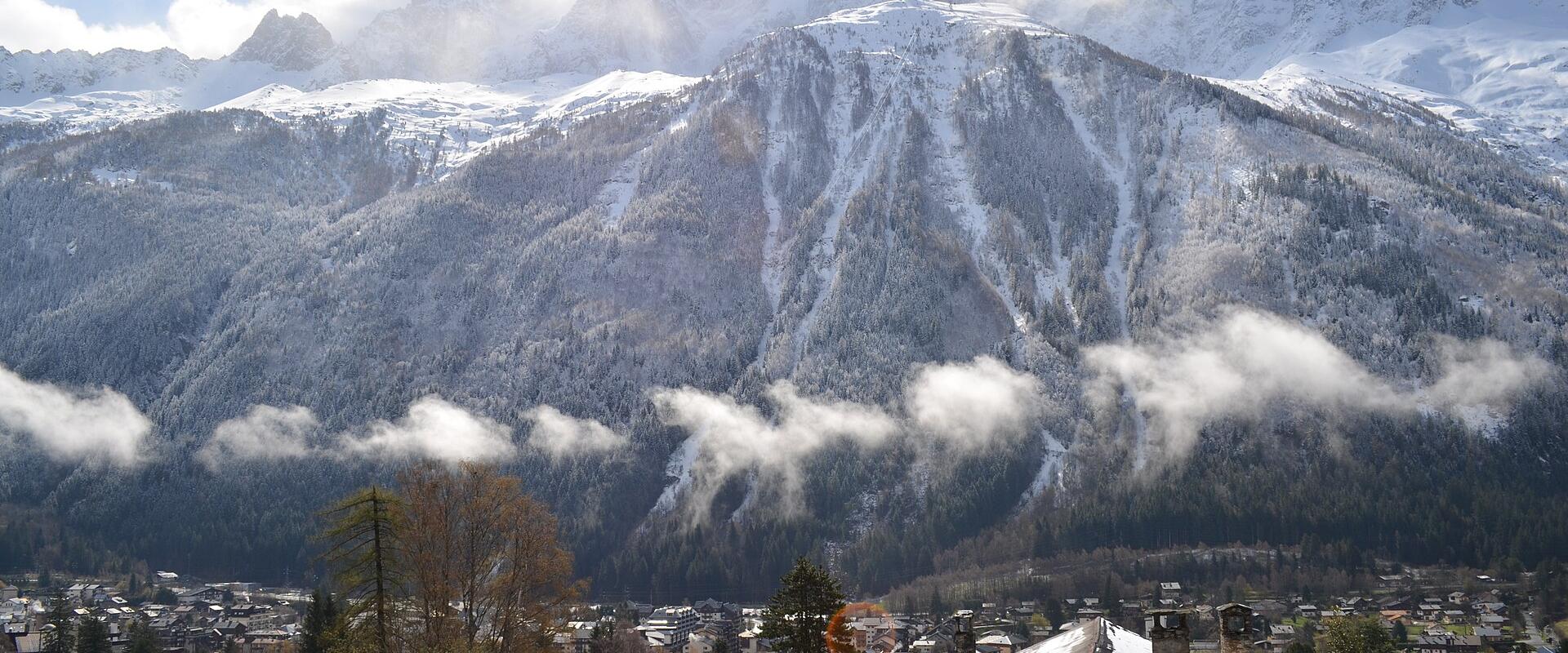
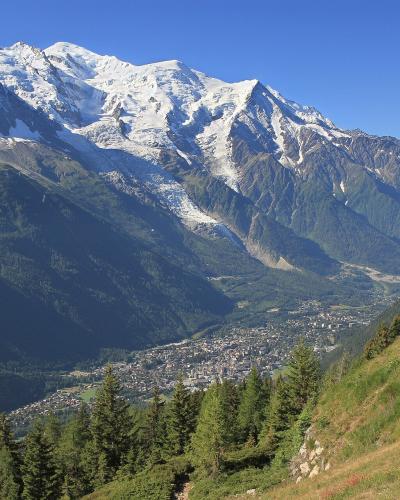
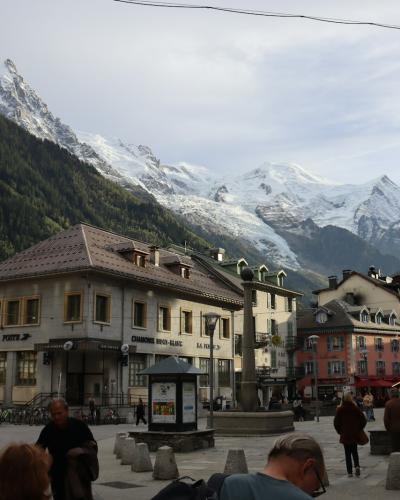
Chamonix, situated in the Haute-Savoie department of southeastern France, is a town with a profound historical and geographical identity. Historically, it was a small agricultural community until the 18th century when the first ascents of Mont Blanc transformed it into a center for mountaineering. The town played a pivotal role in the development of alpinism, with the first recorded ascent of Mont Blanc in 1786 by Jacques Balmat and Michel-Gabriel Paccard. Chamonix hosted the first Winter Olympics in 1924, cementing its status as a premier winter sports destination. The town's architecture reflects its alpine heritage, with traditional chalets and modern ski resort infrastructure. The local economy is heavily dependent on tourism, with a strong focus on outdoor activities. The town has also become a hub for extreme sports, including paragliding and ice climbing.
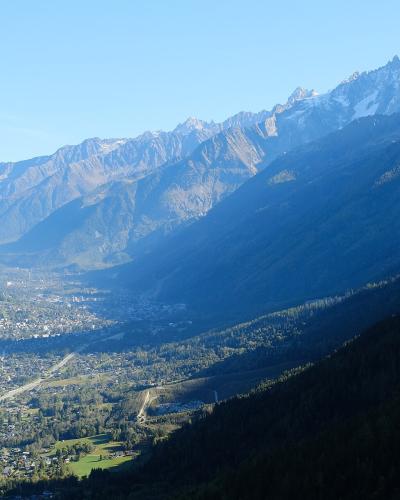
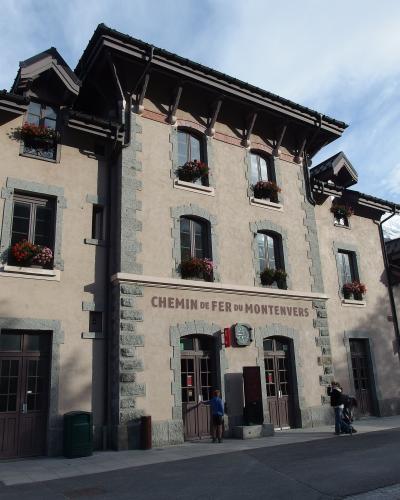
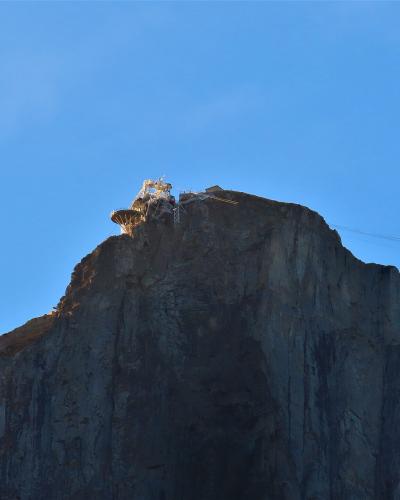
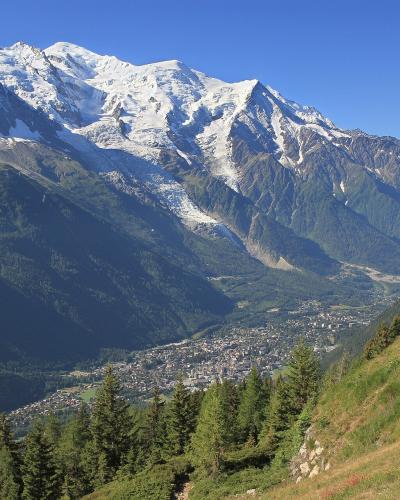
The main attractions in Chamonix revolve around its mountain setting and adventure opportunities. The Aiguille du Midi is a major landmark, accessible by cable car, offering panoramic views of Mont Blanc and the surrounding peaks. The Mer de Glace, the longest glacier in the Alps, is accessible by the Montenvers Railway and features an ice cave. The Brévent-Flégère ski area provides extensive hiking and skiing trails with stunning views. The Chamonix Valley itself offers numerous hiking trails, such as the Tour du Mont Blanc, which starts in the town. The Mont Blanc Museum, located in the town center, showcases the history of mountaineering and the natural history of the region. The Vallée Blanche, a famous off-piste ski run, is a must-do for experienced skiers.
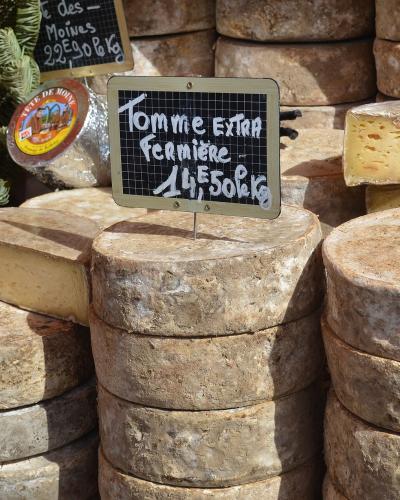
Chamonix offers various activities for visitors interested in adventure, nature, and culture. Skiing and snowboarding are primary activities in winter, with extensive slopes and off-piste opportunities. In summer, hiking, mountain biking, and paragliding are popular. The town hosts various festivals throughout the year, including the Chamonix Mountain Film Festival. The local cuisine features Savoyard specialties, including fondue, raclette, and tartiflette. The nearby town of Les Houches offers additional ski facilities and hiking trails. The town also has a vibrant nightlife, with numerous bars and restaurants catering to tourists.
Getting to Chamonix is convenient via train, with regular services from Geneva and other major cities in the region. The train station is located in the town center, making it easily accessible. For those traveling by car, Chamonix is accessible via the A40 motorway. The best time to visit Chamonix is from mid-June to mid-September for hiking and summer activities, or from December to March for skiing. July and August are the warmest months, with average highs around 20°C, but also the busiest. Spring and autumn offer milder weather and fewer crowds, making them suitable for sightseeing and hiking. Winter is cold but offers ideal conditions for skiing and snowboarding. Chamonix combines historical depth, natural beauty, and adventure opportunities, making it a compelling destination for travelers seeking an authentic alpine experience.
Best Time to Visit
Mid-June to mid-September offers warm weather and ideal conditions for hiking and outdoor activities.
Did you know?
Interesting, verified facts about Chamonix
Chamonix Hosted the First Winter Olympics — Retroactively
HistoryIn 1924, Chamonix staged what the world now knows as the first-ever Winter Olympic Games -- except nobody called it that at the time. Held from 25 January to 5 February 1924 as the "International Winter Sports Week," the event drew 16 nations competing in sports like ski jumping, bobsleigh, and speed skating, where American Charles Jewtraw won the first gold medal. Only in 1926 did the International Olympic Committee retroactively declare Chamonix's winter week the first Olympic Winter Games. Host nation France, embarrassingly, won no gold -- just three bronzes.
Source: WikipediaChamonix Has a Second Local Claim
HistoryIt serves as the primary gateway to Mont Blanc, the highest peak in Western Europe.
Source: ChamonixChamonix Has Another Verifiable Detail
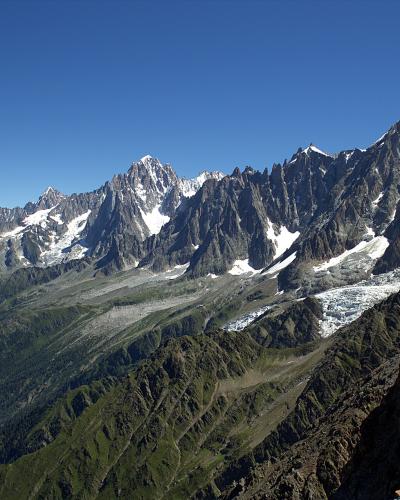
SportsRenowned for its dramatic alpine scenery, Chamonix is a global center for mountaineering, skiing, and outdoor adventure.
Source: Chamonix Valley and its Surroundings - CREA Mont-BlancPlan Your Visit to Chamonix
Essential travel tips and information for your trip to Chamonix.
Suggested Itineraries
One Day in Chamonix
1 dayPerfect for a quick visit. See the main highlights and get a taste of local culture.
Extended Chamonix Experience
2-3 daysComprehensive exploration including nearby attractions and cultural experiences.
Travel Tips
Currency
EUR • Cards widely accepted
Language
French • English in tourist areas
WiFi
Free WiFi in cafes and hotels
Explore Chamonix by Interest
Discover attractions and experiences in Chamonix organized by your interests and travel preferences.

All attractions in Chamonix
Sorted by our recommendation score
Quick Facts
Book your stay
Frequently Asked Questions
More destinations in Auvergne
Explore other amazing places in the Auvergne region