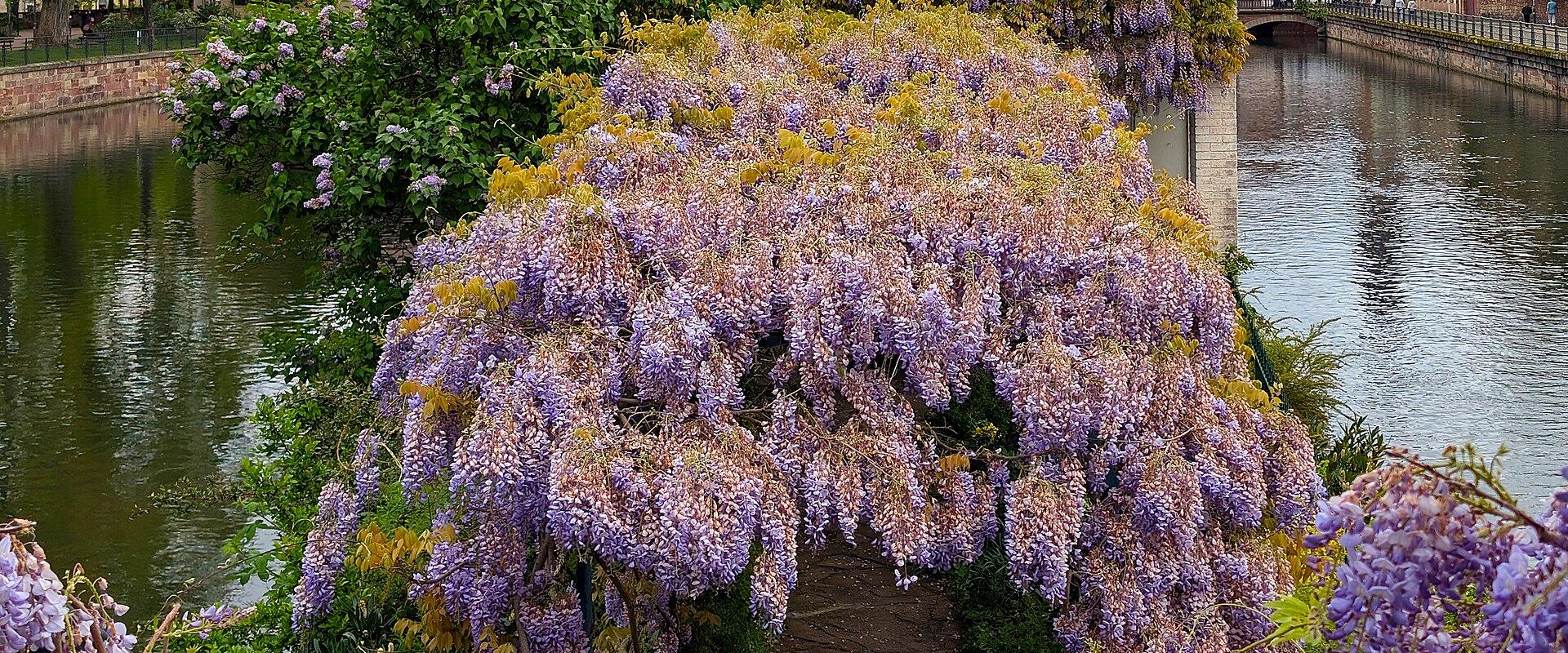
Strasbourg
European capital with Gothic cathedral and half-timbered houses
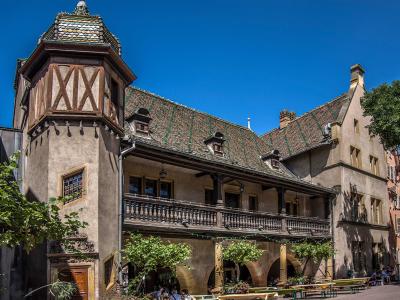
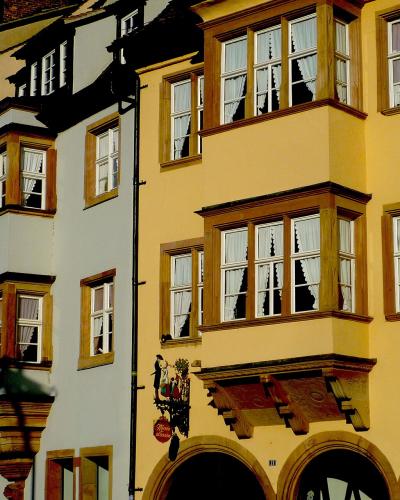
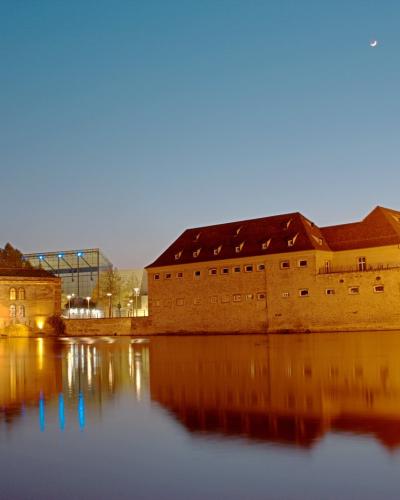
Strasbourg, situated in the Bas-Rhin department of northeastern France, is a city with a profound historical and political identity. Historically, it was a free imperial city of the Holy Roman Empire and a major center of the Protestant Reformation. The city changed hands between France and Germany multiple times, reflecting its strategic location on the Rhine. This history is visible in its architecture, which blends French and German styles. In the 20th century, Strasbourg became a symbol of European reconciliation, hosting the Council of Europe and the European Parliament. The city's layout is defined by the Ill River and its many islands, with the Grande Île being the historic core. The city suffered damage during World War II but was rebuilt, preserving its historic character while embracing modernity.
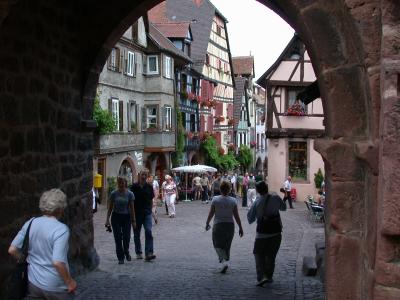
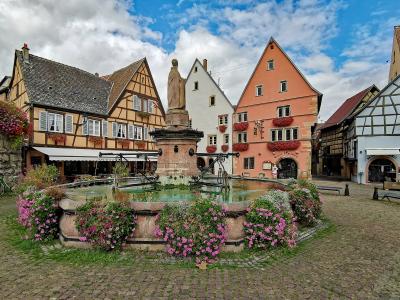
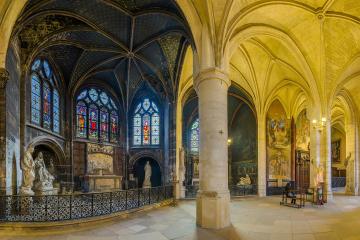
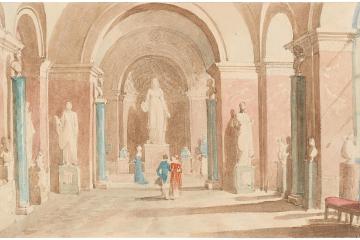
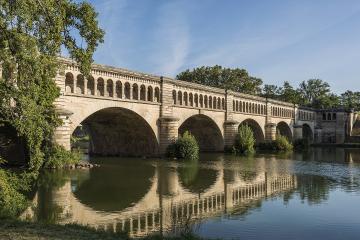
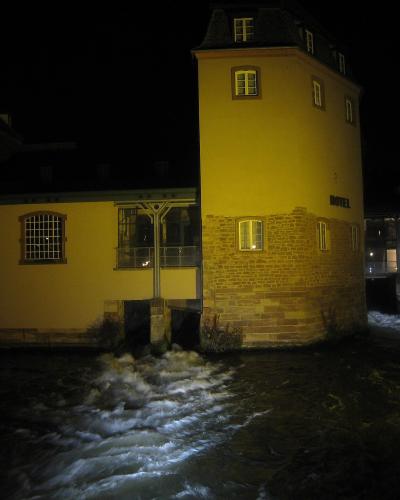
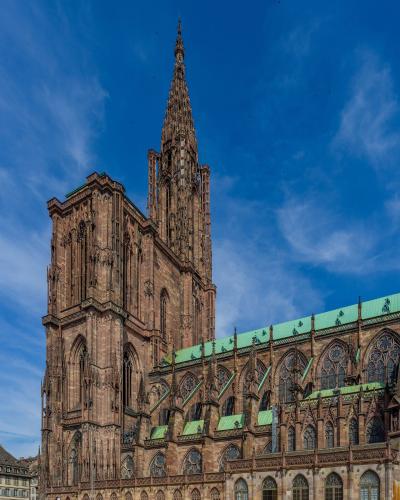
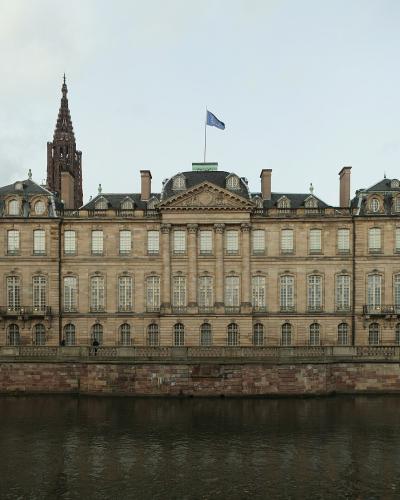
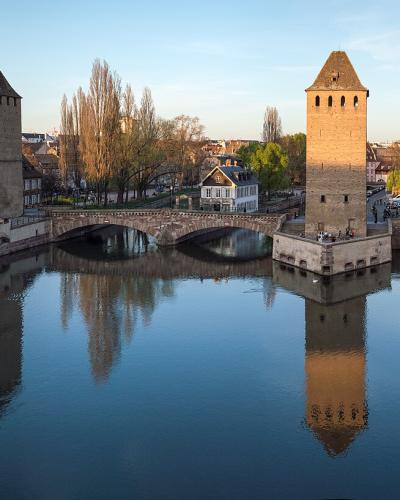
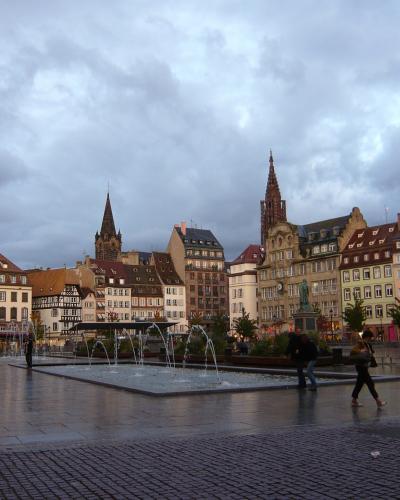
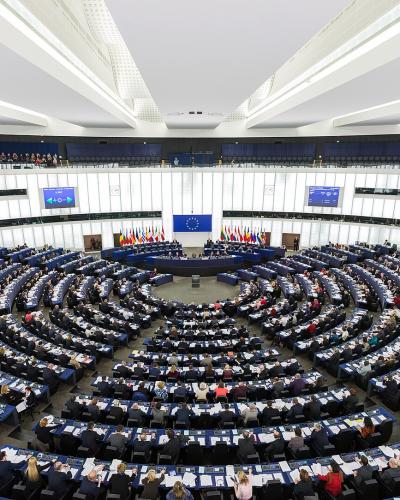
The main attractions in Strasbourg reflect its religious, political, and cultural heritage. The Notre-Dame Cathedral is the city's most iconic landmark, a masterpiece of Gothic architecture with a stunning astronomical clock and panoramic views from the tower. The Petite France district, with its half-timbered houses and canals, is a picturesque area popular with visitors. The Palais Rohan, a Baroque palace, houses three museums: the Archaeology Museum, the Decorative Arts Museum, and the Fine Arts Museum. The European Parliament building, with its distinctive glass and steel architecture, is a symbol of European unity. The Place Kléber is the city's main square, surrounded by cafes and shops. The Barrage Vauban, a historic dam, offers views of the river and the old town.
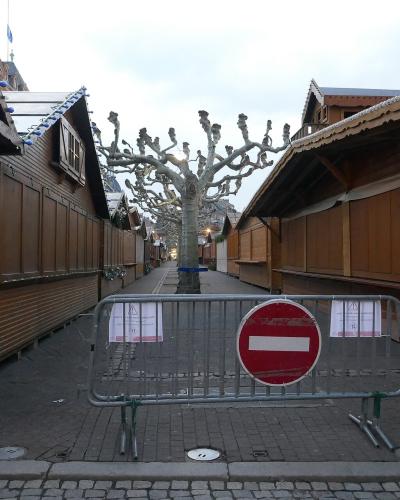
Strasbourg offers various activities for visitors interested in history, culture, and gastronomy. Boat tours on the Ill River provide a unique perspective of the city's architecture. The city is a starting point for exploring the Alsace Wine Route, with numerous villages and vineyards nearby. The local cuisine features Alsatian specialties, including tarte flambée, choucroute, and baeckeoffe. The city hosts various festivals throughout the year, including the famous Christmas Market, one of the oldest and largest in Europe. The surrounding Vosges mountains offer hiking and skiing opportunities. The nearby town of Colmar is easily accessible for further exploration.
Getting to Strasbourg is convenient via train, with TGV services connecting it to Paris, Lyon, and other major European cities. The train station is located in the city center, making it easily accessible. For those traveling by car, Strasbourg is connected by the A35 motorway. The best time to visit Strasbourg is from May to June and September to October, when the weather is mild and pleasant, ideal for exploring the outdoor attractions and walking tours. July and August are the warmest months, with average highs around 25°C, but also the busiest. Spring and autumn offer milder weather and fewer crowds, making them suitable for sightseeing and wine tasting. Winter is cooler but offers the magical atmosphere of the Christmas Market. Strasbourg combines historical depth, political significance, and cultural richness, making it a compelling destination for travelers seeking an authentic Alsatian experience.
Best Time to Visit
May to June and September to October offer mild weather and ideal conditions for outdoor activities and sightseeing.
Did you know?
Interesting, verified facts about Strasbourg
Strasbourg Is Shaped by a River
HistorySituated on the Ill River near the German border, it offers a unique blend of French and German cultural influences.
Source: Is Strasbourg in Germany or France? - Mike GravelStrasbourg Cathedral: World's Tallest Building for 227 Years
RecordFrom 1647 to 1874, Strasbourg Cathedral was the tallest building on Earth. Its single 142-metre (466-foot) sandstone spire, completed back in 1439, claimed the world title when the taller spire of St. Mary's Church in Stralsund burned down in 1647, and held it for 227 years until Hamburg's St. Nikolai Church overtook it in 1874. It remains the tallest surviving structure built entirely in the Middle Ages.
Source: WikipediaPlan Your Visit to Strasbourg
Essential travel tips and information for your trip to Strasbourg.
Suggested Itineraries
One Day in Strasbourg
1 dayPerfect for a quick visit. See the main highlights and get a taste of local culture.
Extended Strasbourg Experience
2-3 daysComprehensive exploration including nearby attractions and cultural experiences.
Travel Tips
Currency
EUR • Cards widely accepted
Language
French • English in tourist areas
WiFi
Free WiFi in cafes and hotels
Explore Strasbourg by Interest
Discover attractions and experiences in Strasbourg organized by your interests and travel preferences.
All attractions in Strasbourg
Sorted by our recommendation score
Quick Facts
Book your stay
Frequently Asked Questions
More destinations in Alsace
Explore other amazing places in the Alsace region