





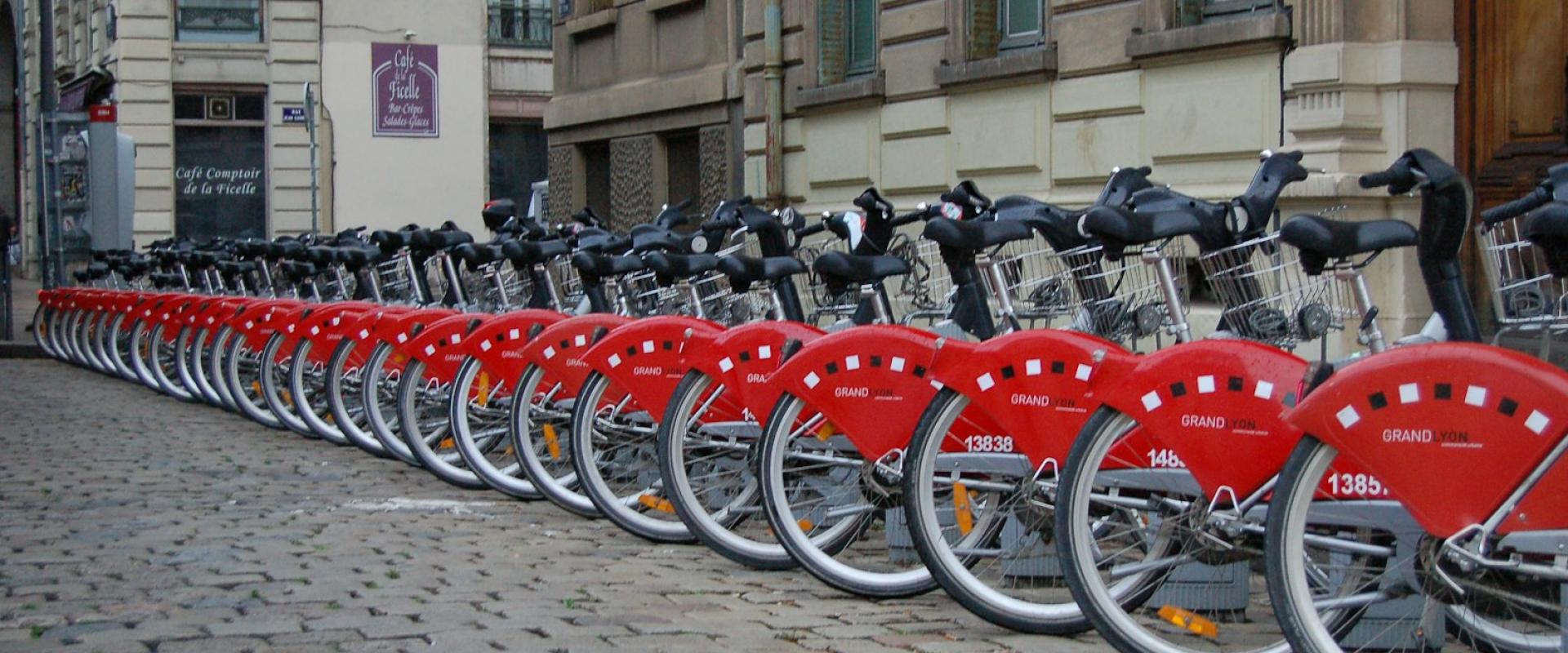
France utilizes app-based rental systems in major cities like Paris and Nice. Paris relies on the Vélib' system, while Nice employs Lime and Pony operators. These services cover 13 municipalities in the Nice Côte d'Azur region. Users must download local apps to locate and unlock bicycles via QR codes. Infrastructure varies between docking stations and free-floating dockless models. The Nice region offers over 125 km of dedicated cycle paths. This network allows for extensive urban cycling freedom. Parking availability is high, with more than 8,200 spaces for two-wheelers. Thirty-seven percent of these spots are reserved specifically for bicycles. Tourists should prepare valid payment methods before unlocking any bike. These short-term urban rentals differ significantly from long-distance touring needs. Vélib' and similar systems serve daily commuters and casual riders. They are not designed for multi-day cross-country expeditions. Planning requires downloading the correct app for your specific city. Prices and availability change based on local municipal regulations. Always verify the current operational status of the network. This ensures a smooth and legal cycling experience in France.
Specialized Touring and Regional Hire
Rural regions like the Loire Valley and Provence host specialized rental shops. These operators focus on long-distance touring needs. They provide gravel bikes, e-bikes, and traditional touring models. Matching bike specifications to regional terrain is essential. The Loire’s flat paths suit lightweight road bikes. Provence’s hilly routes require robust e-bikes for assistance. Advance booking is highly recommended during peak seasons. In-person registration remains standard for international tourists. Operators typically require a substantial security deposit. This fee covers potential damage or loss. Luggage transfer services are widely available in these areas. Riders can send bags between hotels daily. GPS tracks for specific regional routes are often provided. This simplifies navigation on complex country roads. Prices vary by bike type and rental duration. Daily rates for specialized touring bikes range from 25 to 50 euros. Weekly rentals offer significant discounts for extended trips. Insurance options are usually included in the base price. Riders must present a valid driver’s license or passport. Some operators require a credit card for the deposit. Planning ahead ensures the correct bike model is available. Last-minute rentals in rural areas are often unavailable. Local shops prioritize advance bookings for maintenance scheduling. This system ensures reliable equipment for all travelers. The infrastructure supports safe travel across diverse landscapes. French cycling regulations apply to all rental users. Helmets are recommended but not always mandatory. Riders must carry identification at all times. This ensures compliance with local traffic laws. The infrastructure supports safe travel across diverse landscapes.
Understanding the Voies Vertes Network
Voies Vertes are repurposed railway lines and canals. They form a safe, car-free cycling network across France. These paths prioritize scenic views and user safety. Major routes include the Loire à Vélo and Voie Verte du Canal du Midi. The Loire route spans over 800 kilometers. It connects major historical cities along the river. The Canal du Midi path follows the UNESCO site. Path surfaces vary significantly by region and maintenance. Many Voies Vertes feature compacted gravel or crushed stone. Some sections remain fully paved for accessibility. Cyclists should choose gravel or hybrid bikes for unpaved sections. Road bikes may struggle on loose surfaces. Navigation relies on standard French road signage. Blue signs often mark these specific greenway routes. Local etiquette requires yielding to pedestrians on narrow paths. Cyclists must also yield to equestrians on shared trails. The network supports leisure cycling for all skill levels. Families find the flat, traffic-free routes ideal for children. The infrastructure encourages slow, scenic travel through rural landscapes. This system reduces vehicle dependency in historic corridors. It offers a distinct alternative to busy national roads. The network continues to expand across the country.
Legal Framework and Traffic Regulations
Cyclists must ride on the right side of the road. Riding on sidewalks is strictly prohibited for adults. Children under eight may use sidewalks if accompanied. Helmets are mandatory for riders under twelve. Adults are strongly advised to wear protective headgear. The 'demi-stop' rule allows rolling through stop signs. You must slow down but need not fully stop. This applies only if no other traffic is present. Cyclists may access designated bus lanes in urban areas. This privilege enhances safety and reduces travel time. Front white lights and rear red lights are mandatory. A bell is required for audible warning signals. Hand signals indicate turns and stops to drivers. Always check local signage for zone-specific restrictions. Rules vary between rural routes and city centers. Infrastructure like the 125 km Nice cycle network supports this. Parking spaces are available in major metropolitan areas. Compliance ensures safety for all road users. Ignoring these laws risks fines and accidents. Always prioritize visibility and predictable behavior. Local authorities enforce these regulations strictly. Understanding these rules is essential for legal cycling.
Integrating Cycling with Public Transport
France integrates cycling with public transport through specific train policies and urban infrastructure. TER regional trains allow bicycle transport. You must reserve space for large bikes. A small fee applies for this service. TGV high-speed trains have limited bike capacity. Reservations are mandatory for all bicycle transport on TGV services. Off-peak travel often offers more flexibility for bike carriage. Urban networks like Paris Metro restrict bikes during rush hours. Tram systems in cities like Nice permit bikes outside peak times. Dedicated bike parking exists at major stations. The Nice region offers over 8,200 two-wheeler parking spaces. Thirty-seven percent of these spots are reserved for bicycles. This infrastructure supports seamless transfers between trains and rentals. Combined tickets are available in select municipalities. These options link rental fees with transit passes. Advance planning is essential for multi-modal trips. Check specific operator rules before traveling. This approach maximizes travel range across France. Riders can cover greater distances efficiently. The system reduces reliance on private cars. It encourages sustainable tourism practices. Local authorities continue expanding bike-friendly transit options. This trend supports growing urban cycling demand.