







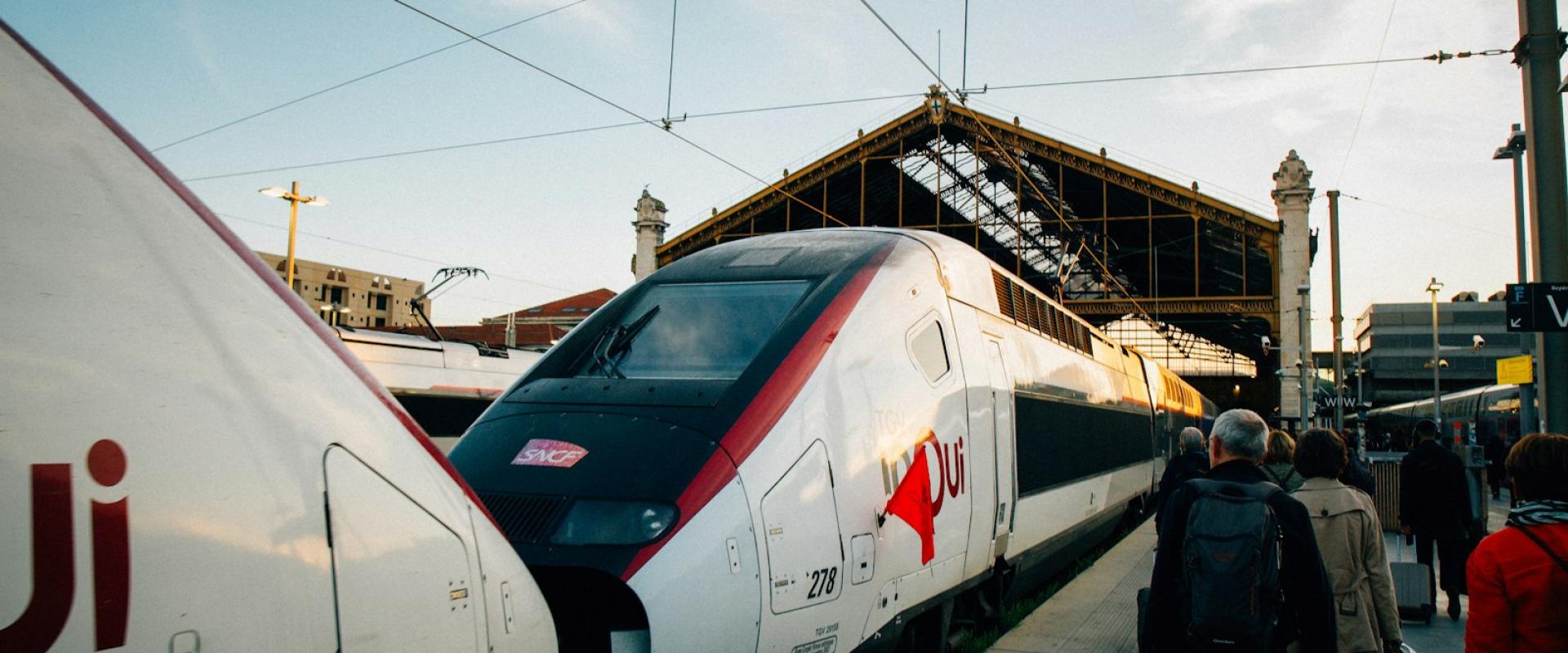
Network Overview and Reach
The TGV network spans over 2,800 kilometers across France. SNCF operates this high-speed rail system with remarkable efficiency. Trains reach a top speed of 320 km/h on dedicated lines. This speed ensures rapid transit between major urban centers. The system handles an annual capacity of 110 million passengers. Daily departures exceed 700, providing frequent connectivity options. Stations are centrally located in French cities like Lyon and Marseille. This location advantage saves significant time compared to distant airports. Travel from Paris to Bordeaux takes roughly two hours. Connections to Lille and Marseille take approximately three hours. The network extends beyond domestic borders for international reach. Passengers can travel to London, Brussels, Amsterdam, and Barcelona. These routes offer a reliable alternative to air travel. TGVs often prove faster than flying when airport procedures are considered. The network serves both business and leisure travelers effectively. It provides a practical substitute for domestic flights and motorways. Reliability remains a key feature of the French rail system. The infrastructure supports consistent performance across the country. This makes the TGV a preferred choice for many commuters. The extensive reach covers most major economic hubs in France.
Ticketing Strategies and Fares
TGV fares use dynamic pricing models. Prices rise as departure dates approach. Booking weeks in advance secures the lowest rates. Avoid last-minute purchases for standard routes. SNCF offers distinct ticket classes. Standard tickets are non-refundable and non-exchangeable. Flex tickets allow changes for a fee. These cost significantly more upfront. Travelers should consider the Carte Avantage. This discount card costs 49 euros annually. It provides 30% off standard fares. The card is valid for two years. It suits frequent domestic travelers well. Rail passes like the Eurail Pass exist. However, point-to-point TGV tickets are often cheaper. This is especially true for short hops. Compare prices on the SNCF website. Use the Oui.sncf app for mobile tickets. Always check for promotional sales. These occur regularly throughout the year. Prices vary by season and demand. Book early for summer travel peaks. The network connects Paris to Lyon, Marseille, and Bordeaux. Travel times range from two to three hours. International routes to London and Brussels also apply. Always verify specific route availability online.
TGV trains depart from central stations in Paris, Lyon, and Marseille. These hubs differ from regional TER terminals. Check digital departure boards for real-time platform updates. SNCF frequently changes platforms last minute. Validate your e-ticket or paper ticket before entering. Use automated gates marked "TGV" or "Intercités." Insert the barcode or scan the QR code. Barriers open only after successful validation. Board at the designated carriage number on the platform. Look for digital signs above the doors. SNCF conductors check tickets during the journey. Have your passport ready for international routes. Cross-border trains to London or Brussels require ID. Domestic travelers may need identification for verification. Keep your ticket accessible until you exit. Failure to validate results in fines. Station staff can assist with barrier issues. Arrive 20 minutes early for complex connections. This ensures time for navigation and boarding.
Onboard Experience and Amenities
TGV trains offer comfortable seating with ample legroom. Power outlets are available at most seats. This allows passengers to charge devices during travel. Wi-Fi connectivity is generally reliable on board. However, signal strength may vary in rural areas. A dining car is available on most long-distance routes. Meals range from light snacks to full hot dishes. Prices are higher than standard grocery items. Luggage storage is provided in overhead racks. Additional space exists at the end of carriages. Passengers can store large suitures here easily. Accessibility features include designated spaces for wheelchairs. Staff assist with boarding and disembarking procedures. Restrooms are located at both ends of the train. Cleanliness standards are maintained throughout the journey. Noise levels are low due to advanced engineering. The ride remains smooth even at high speeds. Business class offers wider seats and extra space. First class provides complimentary newspapers and drinks. These amenities justify the higher ticket price. Travelers should verify specific services when booking. SNCF updates amenities periodically based on demand.
Common Pitfalls and Smart Strategies
Always verify specific station locations before traveling. Paris stations like Gare de Lyon serve distinct routes. Mistaking a regional TER terminal for a TGV hub causes delays. Seat reservations are mandatory for rail pass holders. Passes alone do not guarantee a seat on high-speed trains. You must book and pay a reservation fee separately. Travel timing significantly impacts cost and comfort. Peak summer months and holiday weekends see higher fares. Off-peak travel offers better prices and fewer crowds. Check connection logistics carefully for international routes. Trains to London or Brussels require precise timing. Allow ample time for border checks if applicable. Document any significant delays immediately for compensation claims. Keep your ticket and reservation confirmation handy. SNCF offers compensation for delays exceeding certain thresholds. Use the SNCF Connect app for real-time updates. This tool helps manage unexpected schedule changes effectively. Smart planning ensures a smooth high-speed rail experience across France.