




Historical Context and Significance
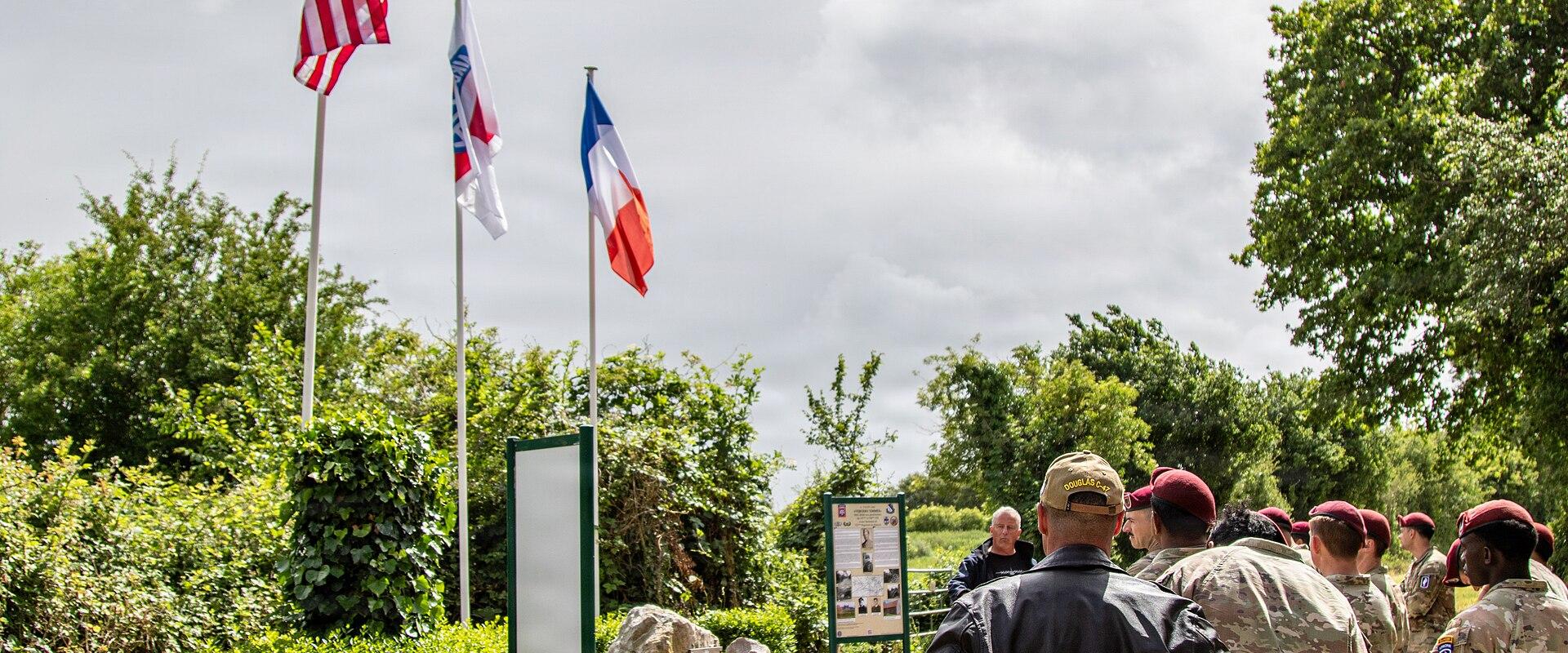
Normandy’s history defines modern France. Viking invasions shaped the region early. William the Conqueror unified territories. This legacy culminated in 1944. The D-Day invasion marked a turning point. Allied forces landed on five beaches. The timeline spanned from June to August. This operation liberated Western Europe from Nazi control. The landscape serves as a historical record. Sites like Pointe du Hoc remain visible. The American Cemetery honors fallen soldiers. The Bayeux Tapestry documents earlier conflicts. These locations preserve military history accurately. The scale of the operation was immense. Thousands of troops participated in the assault. Infrastructure changes reflect this heavy usage. Visitors encounter preserved bunkers and fortifications. These structures demonstrate strategic military planning. The region’s geography influenced battle outcomes. Coastal cliffs provided natural defensive positions. Understanding this context is essential. It explains the site’s current significance. Respectful visitation honors the sacrifice made. The historical weight remains palpable today. France maintains these sites for education. They serve as permanent memorials. The Battle of Normandy altered global politics. This context frames every visit to the region.
Key Memorial Sites and Beaches
The Normandy coast features five distinct Allied landing sectors. Utah Beach served American forces on the western flank. Omaha Beach faced the heaviest German resistance. Gold Beach was the primary British landing zone. Juno Beach hosted Canadian troops in the center. Sword Beach was the easternmost British sector. Pointe du Hoc required scaling 30-meter cliffs. Rangers scaled ropes under heavy fire. The terrain remains rugged and challenging today. The American Cemetery at Colleville-sur-Mer holds 9,388 graves. White crosses mark the graves on the hill. The Bayeux War Cemetery contains 4,648 graves. It honors Commonwealth soldiers who died in 1944. The Juno Beach Centre provides detailed historical context. It is located in Courseulles-sur-Mer. Visitors can access these sites via rail. Trains connect Paris to Bayeux efficiently. Coastal roads offer access to all beaches. The region is open year-round. Mild weather allows for comfortable visits. Spring and autumn see fewer crowds. These sites define the D-Day narrative. They preserve the memory of the invasion. Travelers should allocate time for each sector.
Transportation and Accessibility
Paris serves as the primary rail hub for Normandy. High-speed TGV trains reach Rouen in under two hours. Regional TER trains connect Caen to Paris efficiently. These stations provide direct access to major historical sites. Caen and Rouen offer extensive local bus networks. However, rural D-Day beaches lack frequent public transit. Visitors must rent a car to visit Pointe du Hoc. Car rentals are essential for independent exploration of the coast. The American Cemetery in Colleville-sur-Mer features paved pathways. These paths accommodate wheelchairs and strollers effectively. Accessible parking is available near the main entrance. The Bayeux Tapestry Museum offers elevator access. Ground floors are fully navigable for disabled visitors. Public buses do not reach remote landing sectors. Alternative transport includes organized shuttle services from Caen. These shuttles operate seasonally near Omaha Beach. Walking paths connect some beach sites to parking areas. Bicycles are viable for short distances in Honfleur. Low-carbon options include regional coaches between towns. Trains remain the fastest method for long distances. Cars provide necessary flexibility for scattered memorial sites. Plan routes carefully to avoid summer traffic congestion. Parking fees apply at most major historical locations.
Visitor Etiquette and Conduct
Visitors must observe strict silence in military cemeteries. The American Cemetery at Colleville-sur-Mer requires quiet reflection. The Normandy American Cemetery and Memorial demands solemn respect. Loud conversations are prohibited near gravesites. Photography is permitted but must remain respectful. Flash photography is often banned inside museums. Do not use tripods in crowded memorial halls. Always stay on marked paths at Pointe du Hoc. The terrain is unstable and historically significant. Straying from paths damages fragile coastal ecosystems. Modest attire is expected at all memorial sites. Shoulders and knees should be covered. This shows respect for the fallen soldiers. Engage guides with serious, informed questions. Avoid casual or trivial inquiries about combat. Guides provide historical context, not entertainment. Listen attentively to their detailed explanations. Do not interrupt their narratives. Respect the French language and local customs. Normandy sites are sacred spaces, not theme parks. Maintain a dignified demeanor throughout your visit. This honors the sacrifices made in 1944. Your conduct reflects on all international visitors. Follow all posted signage and instructions. Security personnel enforce these rules strictly. Violations may result in removal from the site. Prioritize reverence over tourism enjoyment. The history here is profound and painful. Treat every stone and name with care. This ensures the sites remain preserved. Future generations will thank you for your respect. Keep noise levels low at all times. This applies to beaches and museums alike. Silence allows for proper historical contemplation.
Planning and Itinerary Strategies
Visit Normandy’s historical sites during spring or autumn. These seasons offer mild weather and fewer crowds. Summer brings significant tourist density to key locations. Plan your accommodation in central hubs like Caen or Rouen. These cities provide efficient rail connections to coastal sites. The TGV network links Paris to Normandy efficiently. Use regional TER trains for local travel between beaches. Prioritize sites based on specific historical interests. Focus on D-Day beaches for World War II history. Visit Bayeux for the medieval tapestry and cathedral. Mont Saint-Michel requires separate planning due to its unique location. Book tickets for major museums in advance. The Museum of the Battle of Normandy often requires reservations. Consider purchasing a rail pass for flexible travel. Low-carbon options include trains, coaches, and bicycles. Walking is viable for short distances between nearby sites. Avoid peak summer months for a more reflective experience. Coastal areas are particularly busy from June to August. Spring and autumn provide better conditions for outdoor memorials. The American Cemetery at Colleville-sur-Mer is best visited early. Plan at least three days for a comprehensive tour. This allows time for both coastal and inland sites. Ensure you check opening hours for each specific memorial. Some smaller sites have limited seasonal availability. Strategic routing saves time and enhances the historical narrative.