



Route Geography and Scope
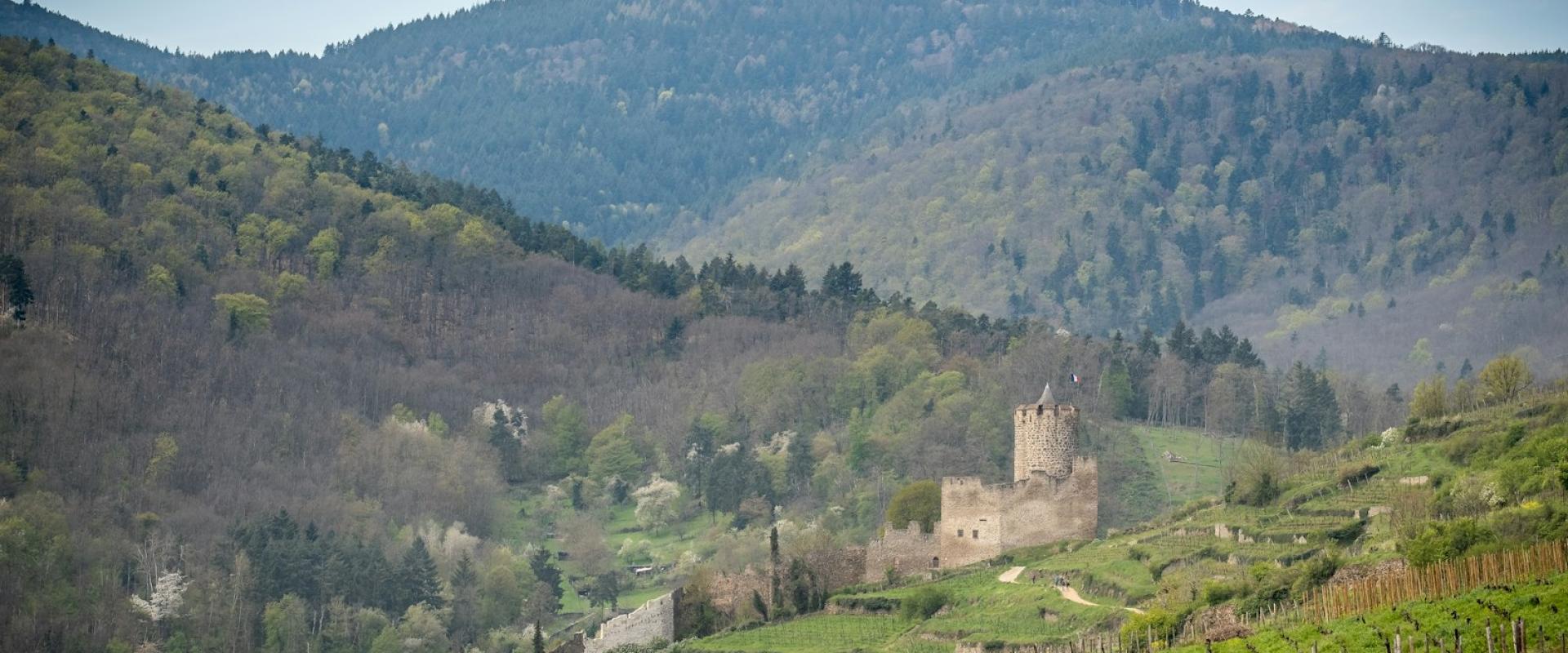
The Alsace Wine Route spans 170 kilometers in northeastern France. This linear corridor connects Strasbourg in the north to Mulhouse in the south. The path includes 119 wine villages and towns along its length. Geographically, the route sits between the Vosges Mountains and the Rhine River. The Vosges range forms a protective western barrier against Atlantic weather. The Rhine River defines the eastern border with Germany. This north-south orientation dictates the logical flow of travel itineraries. The route is divided into five distinct geographical sections. The northern section begins in Wissembourg, showing Germanic architectural influence. The central area covers the heart of Alsace between Strasbourg and Colmar. The Colmar region offers specific wine landscapes distinct from the north. Travelers can navigate this 170km stretch by car, bicycle, or bus. The Veloroute du Vignoble provides a dedicated cycling path for the distance. A hop-on hop-off convertible bus also serves the entire linear route. The physical layout ensures easy access to vineyards from the main road. The narrow strip of land between the mountains and river creates a unique microclimate. This geography concentrates the wine production into a manageable, linear zone. Visitors can traverse the full length in a few days. The route’s compact nature allows for efficient daily navigation. Each village offers direct access to local winegrowers and tasting rooms. The distance between major stops remains short and manageable. This structure supports both day trips and multi-day touring schedules.
Transportation Logistics and Access
Private vehicles remain the primary recommended mode for full route access. The A35 motorway provides the main arterial access for drivers. This highway connects Strasbourg and Mulhouse efficiently. It serves as the backbone for north-south travel. Public transit options are limited for comprehensive touring. TER trains connect major hubs like Colmar and Strasbourg. However, these trains do not serve individual villages. Travelers must rely on local buses for last-mile connectivity. Parking restrictions in historic centers require strategic planning. Many villages restrict vehicle access during peak hours. Visitors should park in designated peripheral lots. Walking is often the only viable option thereafter. The dedicated VeloRoute du Vignoble d’Alsace offers a cycling alternative. This route spans the entire 170-kilometer corridor. It is suitable for experienced cyclists. The path is well-marked and scenic. Hop-on hop-off convertible bus tours provide another option. These tours cover key stops along the route. They eliminate the need for self-navigation. However, they offer less flexibility than private cars. Timing is crucial for all transport modes. Summer months see increased traffic on the A35. Winter months may bring icy road conditions. Always check local signage for parking regulations. Public transport schedules vary by season. Plan itineraries around train timetables if not driving. The region’s geography favors road travel. Rail infrastructure does not support village-level access. Cyclists should prepare for varied terrain. The route includes gentle slopes and flat sections. Bus services are less frequent on weekends. Verify schedules before departure. Private vehicles offer the most reliable access. They allow spontaneous stops at winegrowers. This flexibility is essential for a complete experience.
Seasonal Timing and Events
June through August offers the most reliable weather for touring the Alsace Wine Route. Temperatures are warm, ensuring comfortable conditions for cycling the Veloroute du Vignoble d’Alsace. This period provides optimal accessibility for all 119 villages along the 170-kilometer corridor. Visitors can easily navigate between Strasbourg and Mulhouse during these months.
The harvest season runs from late August to mid-October. This timeframe is ideal for cultural immersion and wine festivals. Most villages host the Fête des Vins during this period. These events feature local music and traditional regional cuisine. Travelers can participate in
Itinerary Structure and Village Clusters
Divide the 170-kilometer route into three distinct geographic clusters for efficient planning. This structure minimizes backtracking and maximizes wine tasting time. A five to six-day itinerary allows comprehensive coverage of all regions. This duration balances driving with immersive cultural experiences.
Northern Cluster: Wissembourg Start in Wissembourg. This area features Germanic architectural influences. It offers a quieter, off-the-beaten-path experience. Visit local vineyards before heading south. The landscape here is distinct from the central region.
Central Cluster: Heart of Alsace This segment covers the area between Strasbourg and Colmar. It includes the Land and Wines of Colmar. This zone contains the highest density of wine villages. Prioritize visits to Obernai for its famous Stammtisch communal dining events. Afternoon sightseeing complements morning tastings effectively. The scenery is most picturesque here.
Southern Cluster: Mulhouse Conclude the tour in Mulhouse. This southern terminus provides a different historical context. The transition from north to south reveals varied terroirs.
Logistical Guidelines Limit daily driving to 50-70 kilometers. This distance ensures a relaxed pace. Use a multi-base accommodation strategy. Changing hotels every two nights reduces luggage handling. It also allows deeper exploration of each cluster. Avoid long drives between meals. Morning tastings are optimal before afternoon sightseeing. This schedule aligns with local winery opening hours. The Veloroute du Vignoble d’Alsace offers an alternative for cycling enthusiasts. However, driving remains the most flexible option for this structured itinerary.
Wine tastings often require a purchase. Many cellars do not offer free samples. Verify cellar opening hours before visiting. Lunch closures are common in small villages. Plan your schedule around these local rhythms.
Strict parking rules apply in historic centers. Pedestrians always have priority on sidewalks. Do not block narrow village streets. Use designated parking zones near town squares. Fines for violations are frequent and strict.
Tipping culture differs from Anglo-Saxon norms. Service charges are included in bills. Round up the total for good service. This is sufficient and appreciated by staff. Basic French phrases aid communication significantly. Learn simple greetings and thank yous.
Cash is preferred for small vendors. Many rural shops lack card terminals. Carry euros for small purchases and tips. Credit cards are accepted in larger establishments.
Zero tolerance exists for drunk driving. The legal limit is 0.5g/L blood alcohol. Penalties are severe for violations. Designate a sober driver or use taxis. Public transport options are limited in remote areas.
Respect local dining etiquette. Wait for the host to begin eating. Keep hands visible on the table. These norms show respect for French culture. Adhering to these rules ensures a smooth tour experience.