






Is Driving Right for Your Itinerary
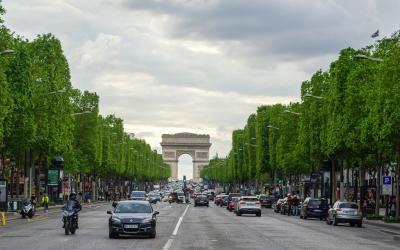
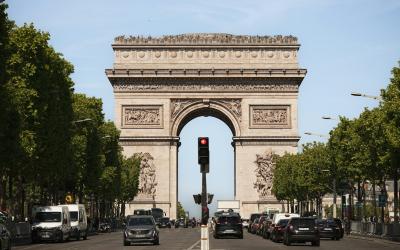
Evaluate your itinerary’s focus before renting. Public transport, including the TGV, efficiently connects major French cities. Urban centers like Paris present significant driving challenges. Heavy traffic, limited parking, and restricted zones complicate navigation. A rental car offers little advantage in these dense areas. Conversely, a vehicle is essential for rural exploration. It provides necessary access to the countryside and vineyards. Coastal regions also benefit from private transport flexibility. Drivers must adhere to strict French speed limits. Urban areas enforce a 50 km/h limit. Secondary rural roads cap speed at 80 km/h. Highways allow up to 130 km/h. Rain reduces this limit to 110 km/h. Drivers must drive on the right side. Seat belts are mandatory for all passengers. Toll roads are common on major routes. Navigating roundabouts requires attention to local signage. Understanding these regulations prevents legal issues. Rural itineraries justify the rental cost. Urban trips may save money via trains. Choose based on your specific destination needs.
Legal Requirements and Documentation
Non-EU visitors must carry an International Driving Permit alongside their valid national license. This document is mandatory for legal driving in France. EU citizens may use their domestic license without additional permits. You must present your passport upon request by authorities. Rental agencies require proof of identity and residency status. The vehicle’s registration certificate and insurance documents must be inside the car at all times. French law mandates a minimum rental age of 21 years. Drivers under 25 typically incur a young driver surcharge. This fee varies by rental company and vehicle class. Some agencies impose upper age limits, often around 70 or 75 years. Drivers over this age may face restrictions or require medical certificates. Failure to carry required documents results in fines and potential vehicle impoundment. Police conduct routine checks on rental vehicles. Ensure all paperwork is current and matches the driver’s details. Non-compliance can void insurance coverage during an accident. Always verify specific agency policies regarding age and documentation before booking. These rules apply strictly to all foreign drivers in France.
Choosing the Right Vehicle and Insurance
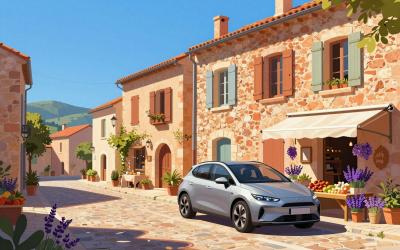
Manual transmission vehicles dominate French rental fleets. Automatic options exist but cost significantly more. Select a compact car for narrow village roads. Larger vehicles suit rural luggage needs but struggle in cities. Basic insurance covers third-party liability only. This leaves you liable for vehicle damage. Super Cover reduces your excess to zero. This option costs extra but provides peace of mind. Always inspect the car thoroughly before driving away. Document existing scratches with photos on your phone. Check fuel levels and tire conditions carefully. Ensure all lights and wipers function properly. Take timestamped photos of the entire vehicle exterior. This evidence protects you from unfair damage charges. Return the car with the same fuel level. Refueling at rental stations incurs high premiums. Keep all rental documents in the glove box. French police may request these papers during stops. Understanding these steps prevents costly disputes later. Prioritize vehicle size based on your specific route. Narrow historic centers require smaller, agile cars. Wide highways allow for more comfortable, larger vehicles. Balance cost savings with practical driving needs.
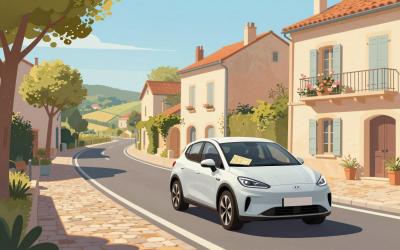
France mandates right-hand traffic on all public roads. Drivers must navigate roundabouts by yielding to traffic already circulating. Speed limits vary by zone and weather conditions. Urban areas enforce a strict 50 km/h limit. Rural secondary roads allow travel up to 80 km/h. Highways permit speeds of 130 km/h under dry conditions. Rain significantly reduces visibility and traction. Wet highway limits drop to 110 km/h for safety. France utilizes an extensive toll road network. These autoroutes require payment for long-distance travel. The Télépéage tag allows automatic electronic toll collection. Drivers can rent these tags at rental counters. Alternatively, cash or credit cards work at booths. GPS systems often lack detailed local road data. Always carry physical maps as a backup. French road signs use specific symbols and colors. Recognizing these signs prevents costly navigation errors. Speed cameras monitor both fixed and mobile locations. Fines for violations are strictly enforced nationwide. Always carry your license and rental documents. Police may request these papers during routine stops. Understanding these rules ensures a safe journey. Proper navigation prevents unnecessary stress and delays. Familiarize yourself with local signage before departure.
Budgeting for Fuel and Tolls
Fuel costs in France remain high compared to neighboring countries. Diesel typically offers better value for long-distance highway travel. Gasoline prices fluctuate but generally exceed diesel rates. Drivers should fill up before entering major urban centers to avoid premium pricing.
Toll roads, or péage, cover most autoroutes. These fees significantly increase rental expenses. Payment options include cash, credit cards, and electronic Liber-t tags. Always keep small change for manual booths.
To reduce toll costs, consider using routes nationales. These secondary roads bypass major highways. Travel time increases, but savings are substantial. This strategy suits travelers with flexible schedules.
Urban parking fees add unexpected expenses. Cities like Paris charge high hourly rates. Budget for daily parking fees in historic centers. Many hotels offer paid parking, but reservations are essential. Factor these daily costs into your total trip budget. Ignoring parking fees can disrupt financial planning. Plan routes to minimize urban driving time. This approach reduces both fuel consumption and parking liabilities.