

Versailles
Royal palace and gardens of the Kings of France near Paris
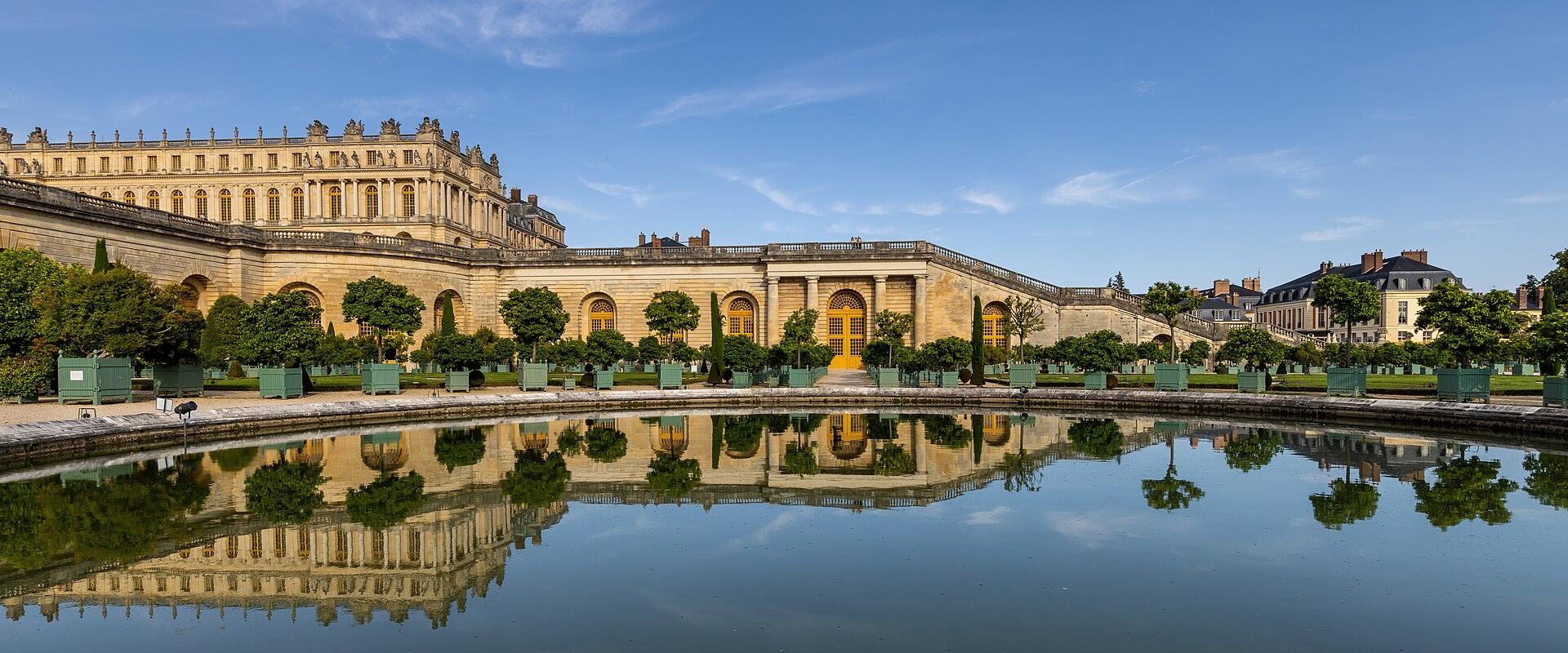
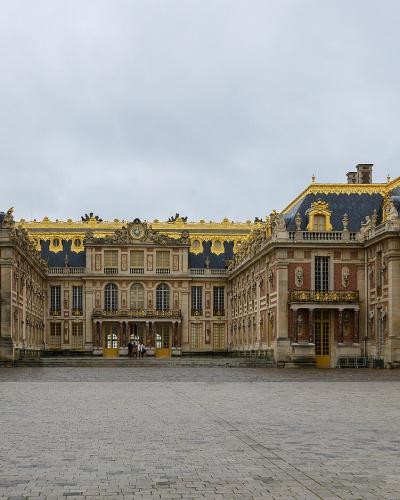
Versailles, situated in the Yvelines department of north-central France, is a town with a profound historical and political identity. Historically, it was a small village until Louis XIII built a hunting lodge there in the early 17th century. His son, Louis XIV, transformed it into a magnificent palace, moving the royal court from Paris to Versailles in 1682. The palace became the center of political power in France until the French Revolution in 1789. The construction of the palace and the town involved thousands of workers and artists, creating a masterpiece of French classicism. The Treaty of Versailles, signed in the Hall of Mirrors in 1919, ended World War I, adding another layer of historical significance to the site. The town's layout reflects the royal symmetry imposed by the kings, with wide boulevards and formal gardens. The palace suffered damage during the Revolution but was preserved and restored, becoming a museum in 1837.
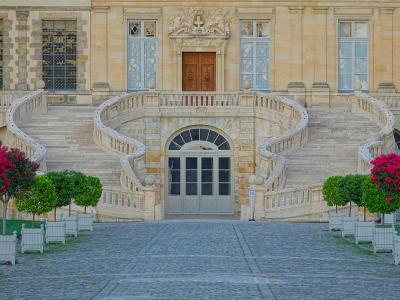
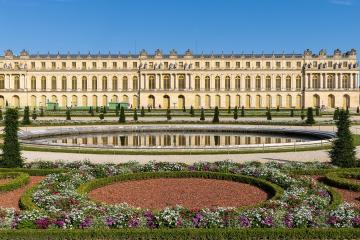
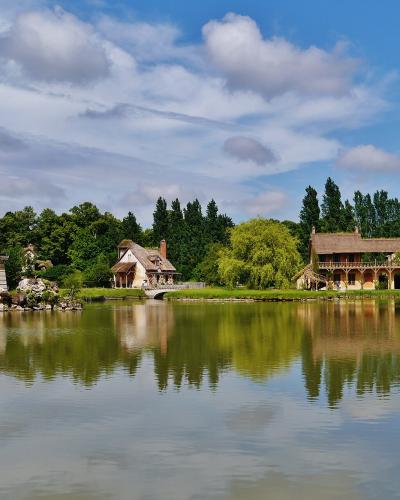
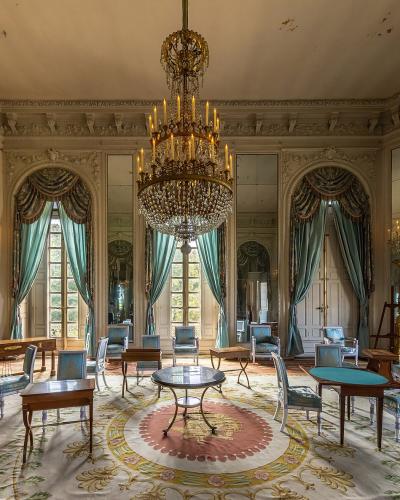
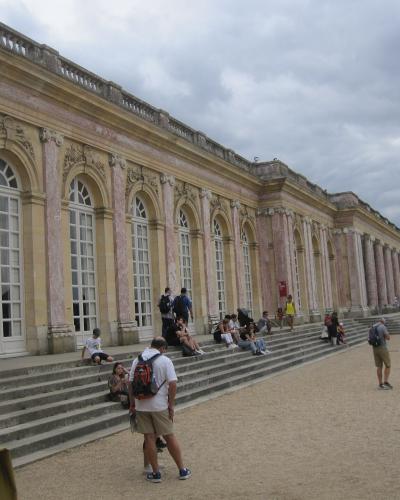
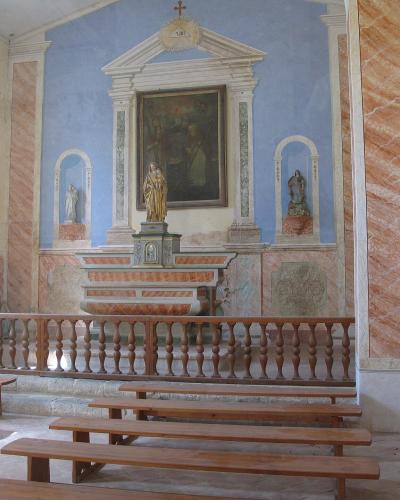
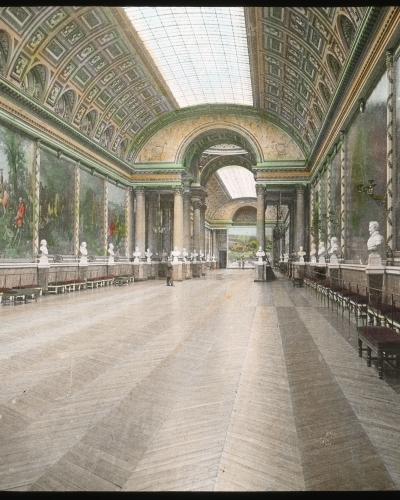
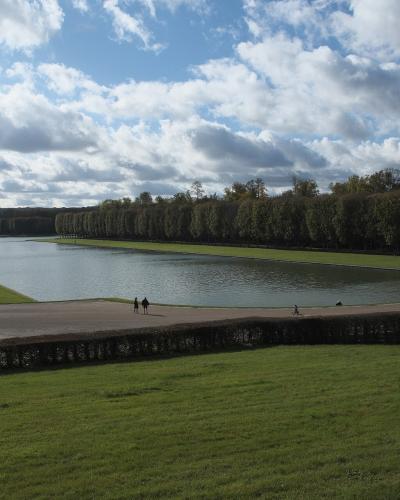
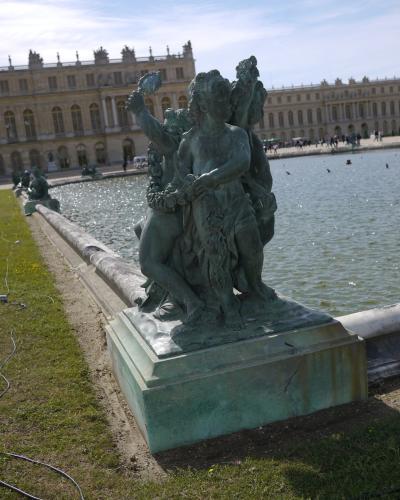
The main attractions in Versailles revolve around the Palace and its grounds. The Palace of Versailles is the primary landmark, featuring the Hall of Mirrors, the King's Grand Apartment, and the Queen's Apartments. The Hall of Mirrors is renowned for its 357 mirrors and gilded decorations. The Gardens of Versailles are a UNESCO World Heritage site, featuring manicured lawns, fountains, statues, and the Grand Canal. The Trianon estates, including the Grand Trianon and the Petit Trianon, offer a more intimate royal experience. The Queen's Hamlet, a rustic village built for Marie Antoinette, is another notable attraction. The Palace Museum houses a vast collection of art and furniture. The Carriage Museum, located in the Royal Stables, displays an impressive collection of royal carriages.
Versailles offers various activities for visitors interested in history, art, and nature. Guided tours of the palace and gardens are available, providing detailed insights into the royal history. The Musical Fountains show and Musical Gardens events take place during the spring and summer, featuring music and water displays. The town offers opportunities for cycling and walking through the extensive parklands. The local cuisine features French gastronomy, with numerous restaurants serving traditional dishes. The nearby town of Giverny, home to Claude Monet's garden, is easily accessible for a day trip. The town also hosts various cultural events and exhibitions throughout the year.
Getting to Versailles is convenient via train, with RER C lines connecting it to Paris in about 30-40 minutes. The train station is located near the palace. For those traveling by car, Versailles is accessible via the A13 motorway. The best time to visit Versailles is from March to July, when the weather is favorable for exploring the gardens and outdoor attractions. April and May are particularly pleasant, with blooming flowers and mild temperatures. Summer months are warm but can be crowded. Autumn offers fewer crowds and beautiful foliage. Winter is cooler but offers a serene atmosphere and fewer visitors, making it easier to navigate the palace. Versailles combines historical depth, artistic richness, and natural beauty, making it a compelling destination for travelers seeking an authentic French royal experience.
Best Time to Visit
March to July offers favorable weather and ideal conditions for exploring the gardens and outdoor attractions.
Did you know?
Interesting, verified facts about Versailles
One Room Bookends the German Empire
HistoryThe Hall of Mirrors frames the entire story of the German Empire. On 18 January 1871, after Prussia's victory over France, Bismarck staged the proclamation of the German Empire in this very gallery -- a calculated humiliation on French soil. Forty-eight years later, on 28 June 1919, French Prime Minister Clemenceau savoured his revenge as representatives of defeated Germany signed the Treaty of Versailles in exactly the same room. The empire itself had already collapsed with the Kaiser's abdication in November 1918, but the venue was pure symbolism: the empire proclaimed beneath these chandeliers had its defeat sealed beneath them too.
Source: Château de VersaillesPlan Your Visit to Versailles
Essential travel tips and information for your trip to Versailles.
Suggested Itineraries
Extended Versailles Experience
3 daysThree-day exploration of Versailles Palace and gardens
View ItineraryTravel Tips
Currency
EUR • Cards widely accepted
Language
French • English in tourist areas
WiFi
Free WiFi in cafes and hotels
Explore Versailles by Interest
Discover attractions and experiences in Versailles organized by your interests and travel preferences.
All attractions in Versailles
Sorted by our recommendation score
Quick Facts
Book your stay
Frequently Asked Questions
More destinations in Île-de-France
Explore other amazing places in the Île-de-France region