
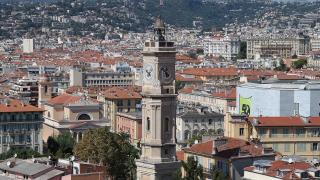




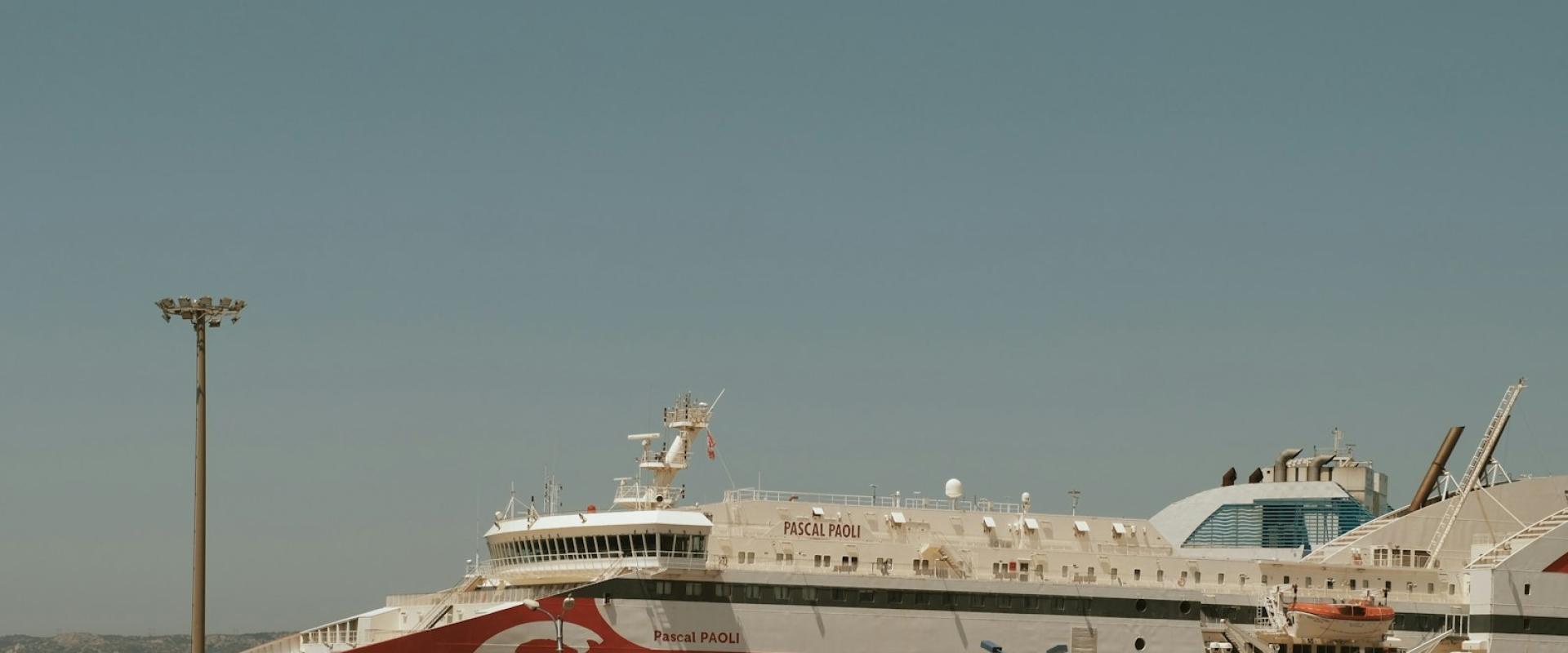
Mainland departure hubs anchor the network. Marseille, Toulon, and Nice serve as primary French gateways. These ports connect directly to Corsica’s major islands. Primary arrival ports include Bastia, Ajaccio, Calvi, and Porto-Vecchio. Bastia handles significant traffic from Nice and Marseille. Ajaccio serves the western coast effectively. Calvi and Porto-Vecchio offer strategic southern access. Travelers choose between high-speed catamarans and car ferries. Catamarans provide faster transit for foot passengers. Car ferries accommodate vehicles and larger groups. The shortest journey runs from Nice to Île-Rousse. This route takes approximately five hours and forty-five minutes. Other services connect to L’Île-Rousse and Propriano. Port locations vary relative to city centers. Bastia’s port sits close to the historic center. Ajaccio’s port is near the downtown area. Calvi’s port is adjacent to the old town. Porto-Vecchio’s port is slightly outside the main district. Planning requires checking specific boarding addresses. Information offices are located at each terminal. Parking facilities are available at all major hubs. Timetables change significantly between seasons. High season runs from June through September. Frequency increases during these summer months. Low season may see reduced sailings. Fares are quoted in euros. Prices rise during peak travel periods. Book early to secure vehicle space. Car transport requires specific boarding procedures. Select berths carefully for comfort. Reclining seats are standard on most vessels. Dining options vary by operator. Corsica Ferries offers the most route options. Other companies serve specific niche routes. Always verify current schedules before travel.
Major Ferry Operators
Corsica Ferries dominates the domestic French market. This operator provides the most route options available. The company serves major ports like Marseille and Nice. Travelers can reach destinations such as Bastia and L'Isola Rossa. The shortest journey takes five hours and forty-five minutes. Moby Lines offers a distinct alternative for travelers. This operator connects French ports to Italian destinations. The route from Nice to Livonia is popular. SNCM previously served these routes but has ceased operations. This change has reduced market availability significantly. Corsica Ferries now fills the resulting gap. Moby Lines also serves as a key operator. The competitive landscape has shifted due to these changes. Travelers must choose between limited operator choices. Corsica Ferries remains the primary domestic provider. Moby Lines serves the Italian connection route. Both operators offer specific service levels. Corsica Ferries focuses on domestic connectivity. Moby Lines focuses on international connections. The market structure is defined by these two main operators. Travelers should check specific schedules for each operator. Seasonal variations affect the frequency of sailings. High season requires advanced booking for all operators.
Vehicle Transport Logistics
Book vehicle transport well in advance. High season demand is significant. Corsica Ferries offers the most route options. The Nice to Île Rousse route takes five hours. This is the shortest domestic connection. Travelers must book vehicle spaces early. Regulations strictly limit vehicle dimensions and weight. Boarding procedures require specific documentation. You must present valid identification. The process involves a distinct transfer step. Drivers should plan for extra time. French regulations enforce strict safety standards. Verify all vehicle specifications before arrival. The operator enforces strict weight limits. Ensure your vehicle meets all standards. This prevents delays at the terminal. French authorities require precise documentation. Always carry valid registration papers. The process is strict but efficient. Plan your travel time carefully. French ferries operate on strict schedules. Adhere to the published timetables. This ensures a smooth boarding experience. French regulations prioritize safety above all. Follow all instructions from the crew. This ensures a safe journey. French ferries are well-maintained. The infrastructure supports efficient transport. French regulations ensure high standards. The system is reliable and safe. French ferries are a key transport link. They connect the mainland effectively. French regulations support this transport network. The infrastructure is well-maintained. French ferries are essential for travel. They provide a reliable service. French regulations ensure safety standards. The infrastructure supports efficient transport. French ferries are a key link. They connect the islands effectively. French regulations support this transport. The infrastructure is well-maintained. French ferries are essential for travel. They provide a reliable service. French regulations ensure safety standards. The infrastructure supports efficient transport. French ferries are a key link. They connect the islands effectively. French regulations support this transport. The infrastructure is well-maintained. French ferries are essential for travel. They provide a reliable service. French regulations ensure safety standards. The infrastructure supports efficient transport.
Seasonal Schedule Variations
High season runs from June through September. Corsica Ferries increases sailings during this peak period. Direct routes connect mainland hubs to the islands. Travelers face higher fares during these months. The Nice to Île Rousse route takes five hours. This specific route remains popular in summer. Low season brings reduced service frequency. Operators may suspend certain routes entirely. The Mistral wind impacts schedule reliability. Sudden weather changes cause potential delays. Travelers must monitor real-time schedule updates. Flexible booking is essential for all trips. Fixed schedules offer less flexibility. You must check for last-minute changes. The high demand in summer requires advance planning. Vehicle transport is limited during peak times. Book vehicle transport well in advance. The short five-hour journey fills quickly. Always verify the current timetable before travel. Weather conditions can disrupt even planned trips. The Mistral wind is a key factor. It can delay or cancel ferries. Always check the latest updates. Flexibility is crucial for a smooth trip. The specific route details change with the season. Always confirm the exact departure time. The French mainland ports see high traffic. This requires careful planning for all travelers.
Onboard Comfort and Amenities
Cabin selection depends on specific route needs. Corsica Ferries offers varied accommodation tiers. Travelers can choose standard or premium berths. Reclining seats provide comfort for shorter crossings. The Nice to Île Rousse route takes five hours. This shorter transit requires less onboard time. High season travel demands advanced booking. Private cabins ensure privacy during longer voyages. En-suite facilities are available on larger vessels. These amenities support comfort during extended transit. Dining options vary by operator and class. Mainland hubs like Marseille offer standard services. French operators prioritize passenger comfort standards. Accessibility features support passengers with reduced mobility. Staircases and elevators assist with deck access. Seating areas provide rest between port calls. Sun deck access is often available. Sunset viewing is a common leisure activity. Passengers should verify specific amenity availability. Operators may change configurations seasonally. Always check current onboard service details. French regulations ensure standard safety standards. Comfort levels generally meet European standards. Book early to secure preferred cabin types. Limited availability exists during peak summer months. Advance planning ensures a comfortable crossing experience.
Booking and Practical Advice
Book online to secure the best rates. Corsica Ferries offers the most route options. The Nice to Île Rousse route takes five hours. This is the shortest domestic crossing. Check-in requires specific vehicle documentation. Verify all personal details before arrival. High season demand is significant. Book well in advance to avoid issues. The operator provides clear change policies. Review refund rules before purchasing tickets. Prices vary by season and route. June through September is the peak period. Fare costs increase during high season. Plan travel around these schedule changes. Direct routes connect mainland hubs effectively. French operators manage most domestic services. Ensure all passenger data is accurate. This prevents delays at the terminal. The process is streamlined for efficiency. Travelers should verify specific boarding times. Port logistics require precise timing. Always check the operator's latest guidelines. This ensures a smooth boarding experience. French regulations strictly enforce these protocols. Adherence ensures a hassle-free journey.