







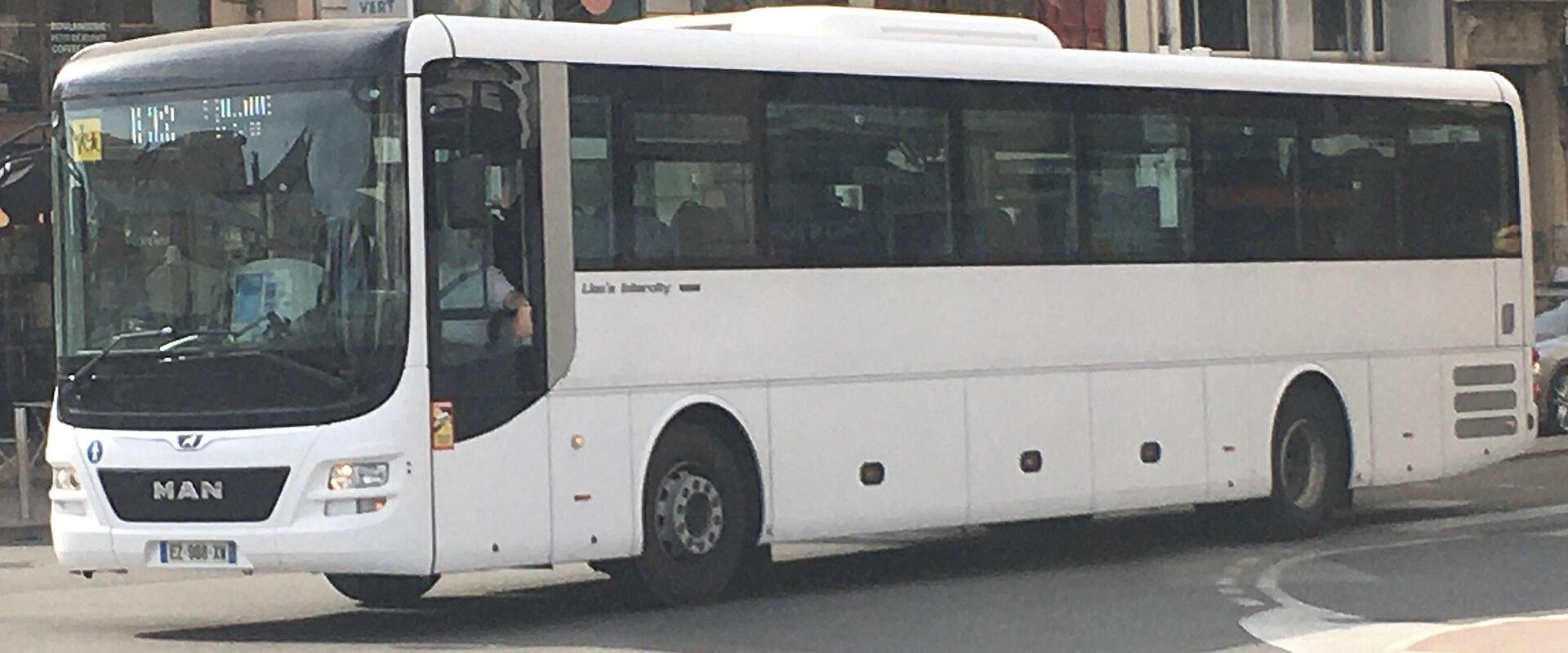
The Coach Landscape
FlixBus and BlaBlaCar Bus dominate France’s intercity coach market. These private operators connect major hubs like Paris, Lyon, and Marseille. They offer low-cost alternatives to high-speed rail. SNCF also operates buses under the
Booking and Pricing Dynamics
Advance booking secures lower fares on French intercity coaches. Operators like FlixBus and BlaBlaCar Bus use dynamic pricing models. Prices rise as departure dates approach. Online reservation is mandatory for most tickets. You must book via dedicated apps or websites. SNCF integrates some bus legs into its rail system. These are booked through standard train channels. Low-cost carriers offer cheaper rates than high-speed trains. However, they enforce strict luggage restrictions. You should compare prices across multiple operators. Regional governments also run local intercity lines. These connect towns without rail access. Peak season travel incurs significant surges. Flexibility options vary by ticket type. Basic fares are non-refundable. Premium tickets allow changes for a fee. Always check specific operator terms before purchase. This ensures you understand cancellation policies. Online platforms provide real-time availability updates. This helps you find the best value. Book early to avoid high last-minute costs.
Station Logistics and Access
French intercity bus terminals sit on city peripheries, not in central hubs. This contrasts sharply with central train stations. You must locate your specific departure platform before arrival. Operators like FlixBus use designated zones often marked clearly. E-ticket requirements are strict. You must present a valid digital ticket on your phone. Physical tickets are rarely accepted at boarding gates. Transfer logistics in Paris require careful planning. Bus stations like Bercy Seine are distant from Gare de Lyon. Allow extra time for metro connections between these points. Arrival time recommendations suggest reaching the terminal forty-five minutes early. This buffer accounts for potential security checks and boarding queues. Late arrivals often forfeit their seat entirely. Staff do not hold seats for late passengers. Plan your route to the peripheral bus station well in advance. Do not assume proximity to rail networks. The physical separation is a key logistical constraint for travelers.
Luggage and Onboard Amenities
Standard luggage allowances vary by operator. FlixBus permits one carry-on and one checked bag. BlaBlaCar Bus offers similar standard limits. Low-cost carriers enforce stricter rules. Oversized items incur additional fees. Sports equipment requires prior booking. Onboard Wi-Fi is generally available. Signal strength fluctuates in rural areas. Power outlets are common but not guaranteed. Restrooms are rarely available on coaches. Passengers must plan for breaks. Bring your own food and water. Vending machines are scarce on board. SNCF-integrated buses follow similar policies. Book early for specific seat needs. Check operator websites for exact rules. Budget options often lack premium amenities. Comfort depends on the specific coach. Always verify current baggage policies online. Travel light to avoid extra charges. Ensure all bags fit under seats. Large items must be stored below. This ensures safety for all passengers.
Comparing Bus vs. Rail
High-speed TGV trains dominate French intercity travel. They offer superior speed and reliability for major routes. Buses serve as a cost-effective alternative for budget travelers. However, coach journeys take significantly longer than rail trips. Rail networks connect central hubs efficiently across the country. Bus routes often bypass city centers, stopping on peripheries. This adds transfer time to your total journey duration. Low-cost operators like Oui provide cheaper fares than SNCF. These buses enforce stricter luggage rules than trains. Rail tickets remain pricier but include more amenities. Buses are susceptible to heavy traffic delays. Train schedules are generally more predictable and fixed. Rural areas rely on buses where rail lines end. Some regional buses integrate directly with TER train services. You can book these combined legs through SNCF channels. Choose rail for speed and comfort on long distances. Select buses for lower costs and specific rural access. Always check traffic conditions before booking a coach trip.