







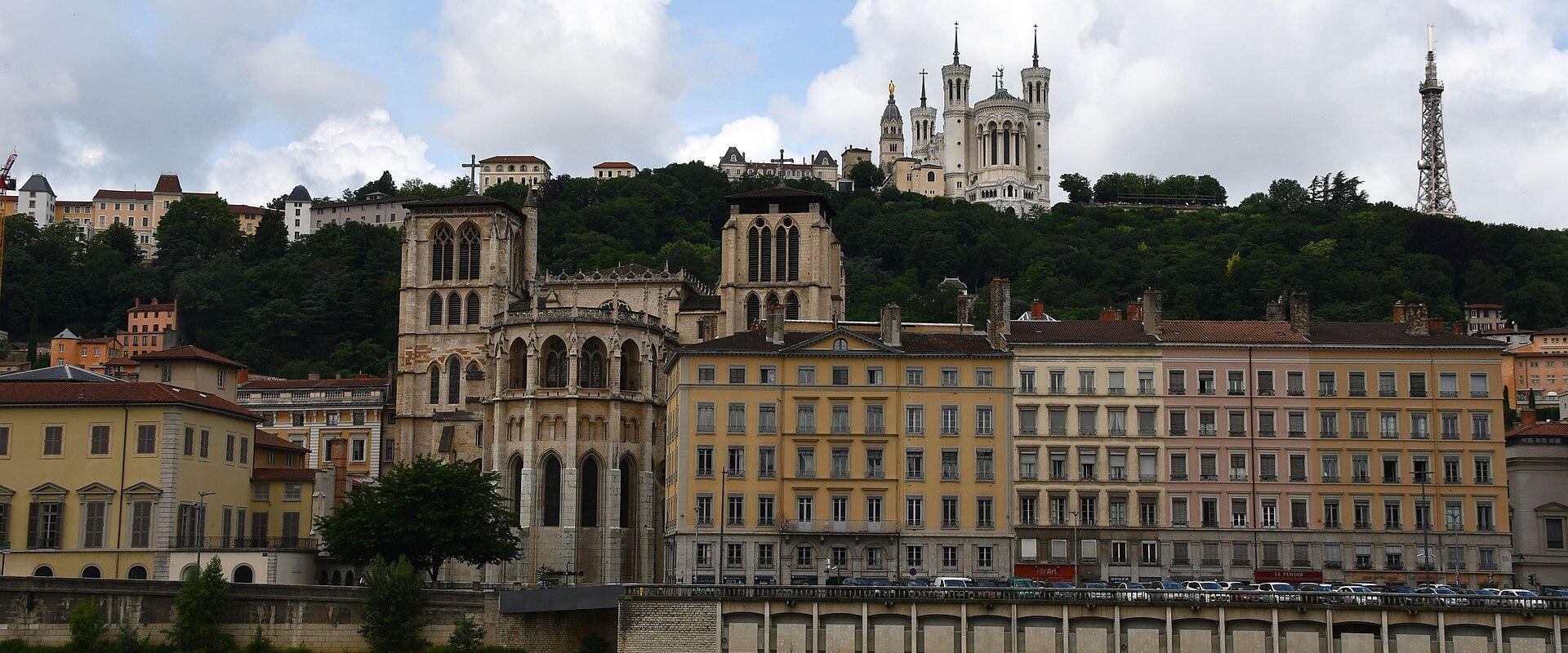
Lyon, situated in the Rhône department of southeastern France, is a city with a profound historical and cultural identity. Historically, it was founded by the Romans in 43 BC as Lugdunum, the capital of Gaul. It served as a crucial administrative and commercial hub for the Roman Empire, and two emperors, Claudius and Caracalla, were born here. During the Middle Ages and the Renaissance, Lyon became a major center for the silk industry, earning the nickname 'the capital of silk.' The city's unique architecture includes traboules, hidden passageways connecting streets, originally built by silk workers to transport their goods. In the 20th century, Lyon became a center for the French Resistance during World War II. The city's modern identity is defined by its status as France's gastronomic capital, with numerous bouchons (traditional restaurants) and Michelin-starred establishments. The city also hosts the Fête des Lumières, a world-famous light festival held annually in December.
The main attractions in Lyon reflect its diverse historical layers. Vieux Lyon (Old Town) is a UNESCO World Heritage site, featuring Renaissance architecture, and the Basilica of Notre-Dame de Fourvière, a Neo-Byzantine masterpiece offering panoramic views, looms above it; the Cathédrale Saint-Jean-Baptiste, with its astronomical clock, is in the same quarter, and the Musée Gadagne, in a Renaissance building, covers the city's history and puppets, including the local puppet Guignol. The Roman theaters of Fourvière, including the Odeon and the Grand Théâtre, are significant archaeological sites, and the Nuits de Fourvière festival is held there in summer. The Confluence district, with its modern architecture like the Musée des Confluences, contrasts with the historic center. The traboules of Vieux Lyon and of the Croix-Rousse offer a unique glimpse into the city's silk heritage. The Croix-Rousse neighborhood, known as the 'hill that works,' retains its silk worker history with narrow streets and high-ceilinged workshops. The Parc de la Tête d'Or is one of the largest urban parks in France, featuring a lake, zoo and botanical garden, and the Place Bellecour is among the biggest squares in Europe. The Musée des Beaux-Arts, in a former abbey on the Place des Terreaux, holds one of France's best art collections, and the Institut Lumière, the Lumière Museum, celebrates the invention of cinema. The Musée des Tissus, devoted to textiles, and the Hospices Civils de Lyon museum round out the cultural offer, and the Couvent de la Tourette, a Le Corbusier building near Lyon, draws architecture lovers.
Lyon offers various activities for visitors interested in history, gastronomy and culture. Food tours are a central activity, allowing visitors to taste local specialties like quenelles, saucisson de Lyon and praline tarts. The Les Halles de Lyon Paul Bocuse is a covered market offering a wide variety of gourmet products. Wine tasting is popular, with nearby Beaujolais and Côtes du Rhône vineyards offering tours. The city has an excellent public transport system, including the funicular to Fourvière, known as the ficelle. The Rhône and Saône rivers offer boat tours and riverside walks. The city hosts various festivals, including the Fête des Lumières and the Nuits de Fourvière, a summer theater and music festival. The Musée des Beaux-Arts houses an extensive collection of art, while the Musée Gadagne focuses on Lyon's history and puppets.
Getting to Lyon is convenient via train, with TGV services connecting it to Paris in two hours, Marseille and other major European cities. The main train station, Part-Dieu, is centrally located, with a second station at Perrache on the Presqu'île. For those traveling by car, Lyon is connected by the A6 and A7 motorways. The best time to visit is from May to June and September to October, when the weather is mild and pleasant, ideal for exploring the outdoor attractions and dining al fresco. July and August are the warmest months, with average highs around 25°C, but also the busiest. Spring and autumn offer milder weather and fewer crowds, making them suitable for sightseeing and wine tasting. Winter is cooler but offers the magical atmosphere of the Fête des Lumières.
Best time to visit
May to June and September to October offer mild weather and ideal conditions for outdoor activities and sightseeing.
What to see in Lyon
Our picks first.
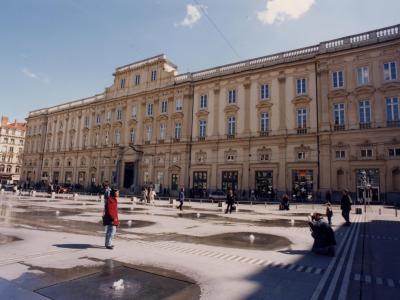
Musée des Beaux-Arts de Lyon
France's second-largest museum in a 17th-century abbey
Historic Architecture · Museums & Culture
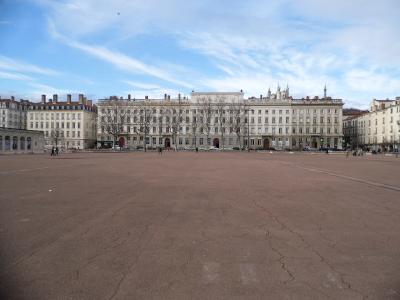
Place Bellecour
Europe's largest pedestrian square with red laterite paving
Free City Centers · Heritage Trails
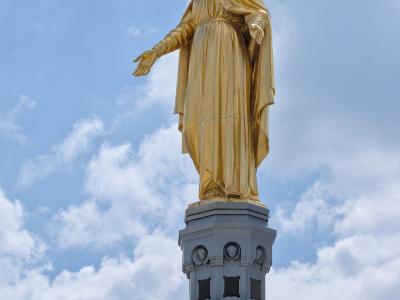
Basilica of Notre-Dame de Fourvière
19th-century basilica with panoramic Lyon views
Architectural Landmarks · Churches
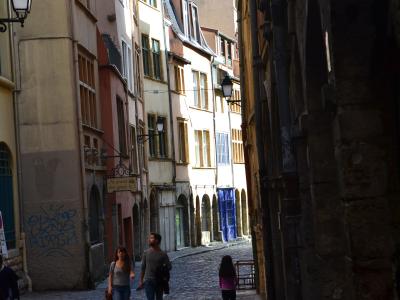
Vieux Lyon (Old Lyon)
UNESCO Renaissance district with hidden traboules
Guided Experiences · Historic Architecture
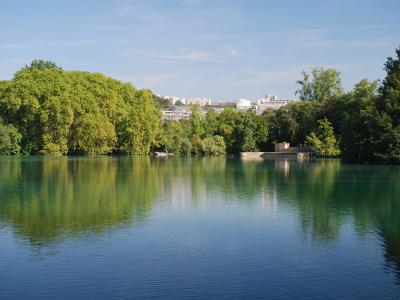
Parc de la Tête d'Or
Historic urban park and botanical garden
Nature & Parks · Urban Exploration
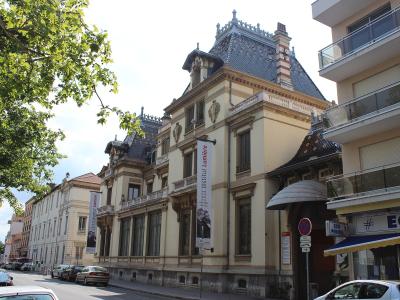
Lumière Museum
Birthplace of cinema in the Lumière family mansion
From €7 Historic Architecture · Museums & Culture
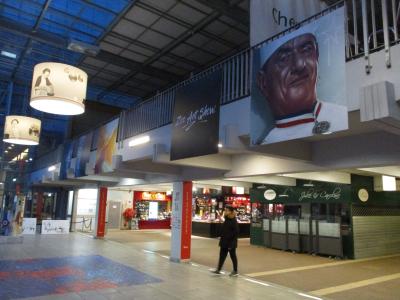
Les Halles de Lyon Paul Bocuse
Historic indoor market honoring Lyon's gastronomy
Free Local Cuisine · Markets
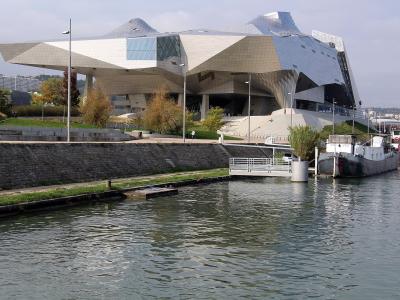
Musée des Confluences
Science and anthropology museum at Lyon's river confluence
From €6 Historic Architecture · Museums & Culture
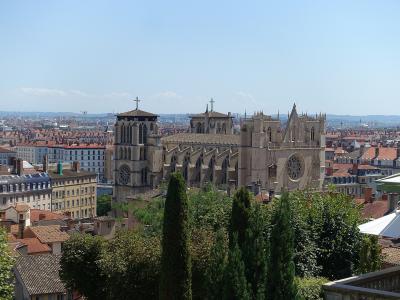
Cathédrale Saint-Jean-Baptiste
UNESCO-listed medieval cathedral with astronomical clock
From €3 Architectural Landmarks · Churches
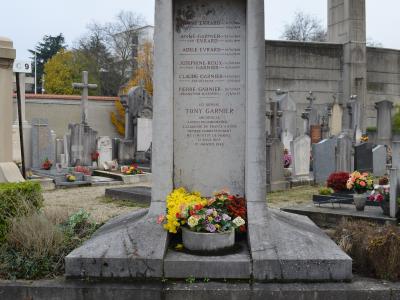
Croix-Rousse
Historic silk-weaving district with traboules
Free Guided Experiences · Museums & Culture
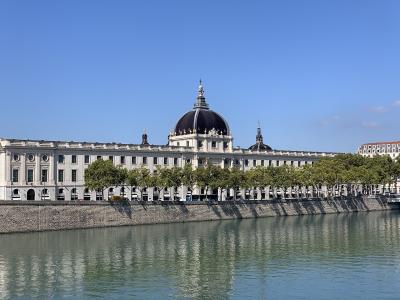
Hospices Civils de Lyon
France's second university hospital, founded 1802
Architectural Landmarks · History Museums
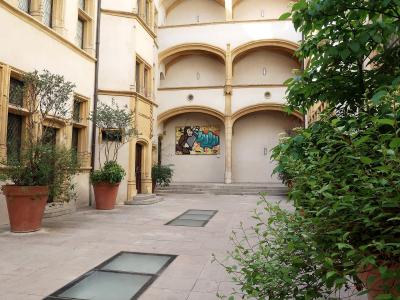
Musée Gadagne
Renaissance palace housing Lyon history and world puppets
From €8 Historic Architecture · Museums & Culture
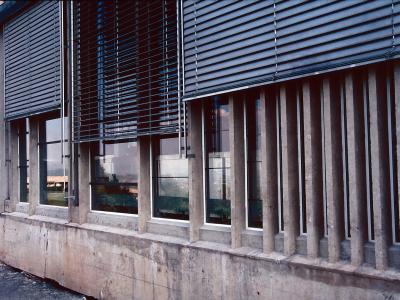
Couvent de la Tourette
Le Corbusier's 1960s monastery near Lyon
Heritage Trails · Historic Towns
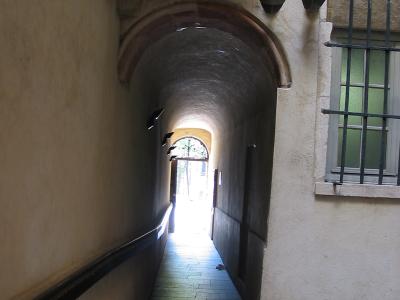
Traboules of Lyon
Historic Lyon passageways linking streets through buildings
Free Historic Architecture · Guided Tours
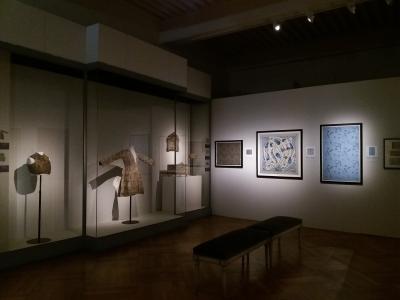
Musée des Tissus
World's first textile museum, closed until 2030
Museums & Culture
Lyon by interest
The same sights, grouped by what you came for.
- Historic Architecture
- Musée des Beaux-Arts de Lyon Vieux Lyon (Old Lyon) Lumière Museum Musée des Confluences Musée Gadagne Traboules of Lyon
- Museums & Culture
- Musée des Beaux-Arts de Lyon Lumière Museum Musée des Confluences Croix-Rousse Musée Gadagne Musée des Tissus
- Heritage Trails
- Place Bellecour Basilica of Notre-Dame de Fourvière Cathédrale Saint-Jean-Baptiste Couvent de la Tourette Traboules of Lyon
Did you know?
Checked facts about Lyon, each with its source.
-
Food & Drink
Lyon Keeps Roman-Era Traces
Today, it is renowned as the gastronomic capital of France, offering a world-class culinary scene alongside rich Roman, Renaissance, and traboule heritage.
Source: Lyon - Wikipedia -
Film & TV
Lyon is the birthplace of cinema
In 1895, Auguste and Louis Lumière filmed "Workers Leaving the Lumière Factory" outside their family's photographic plant in Lyon's Monplaisir district -- a roughly 46-second scene often called the first real motion picture (earlier experiments, like Louis Le Prince's 1888 Leeds footage, never reached the public). It was among the films at the brothers' first commercial public screening in Paris on 28 December 1895 -- the first time a paying audience watched projected films, the event that launched cinema as we know it. Lyon honors its claim to this day: the street where it was shot is now named rue du Premier-Film ("Street of the First Film"), home to the Institut Lumière museum.
Source: Wikipedia
Planning a visit to Lyon
Good to know
- Currency
- EUR
- Language
- French
Quick Facts
Book your stay
Questions people ask
More places in Rhône-Alpes
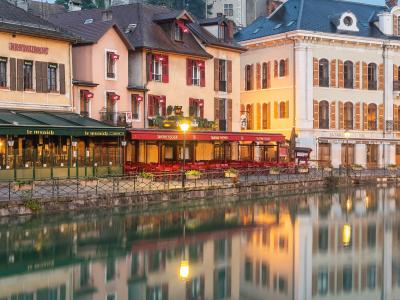
Rhône-Alpes
Annecy
Alpine lake town with canals and medieval old town
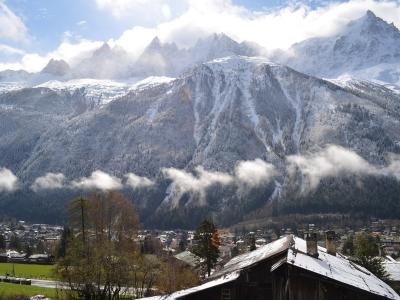
Rhône-Alpes
Chamonix
Alpine gateway to Mont Blanc with world-class skiing and hiking
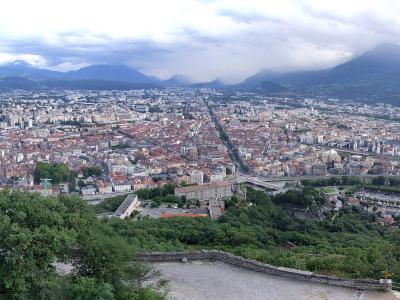
Rhône-Alpes
Grenoble
Alpine gateway city with Bastille fortress and cable car
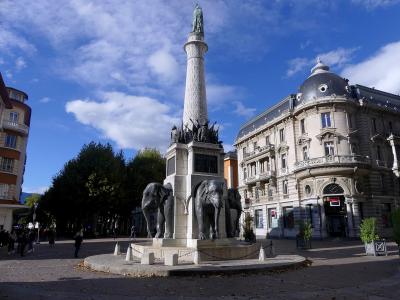
Rhône-Alpes
Chambery
Historic capital of Savoy with ducal castle and alpine access