

Bordeaux
UNESCO-listed port city and global capital of fine wine
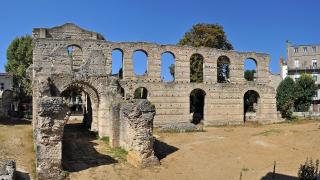
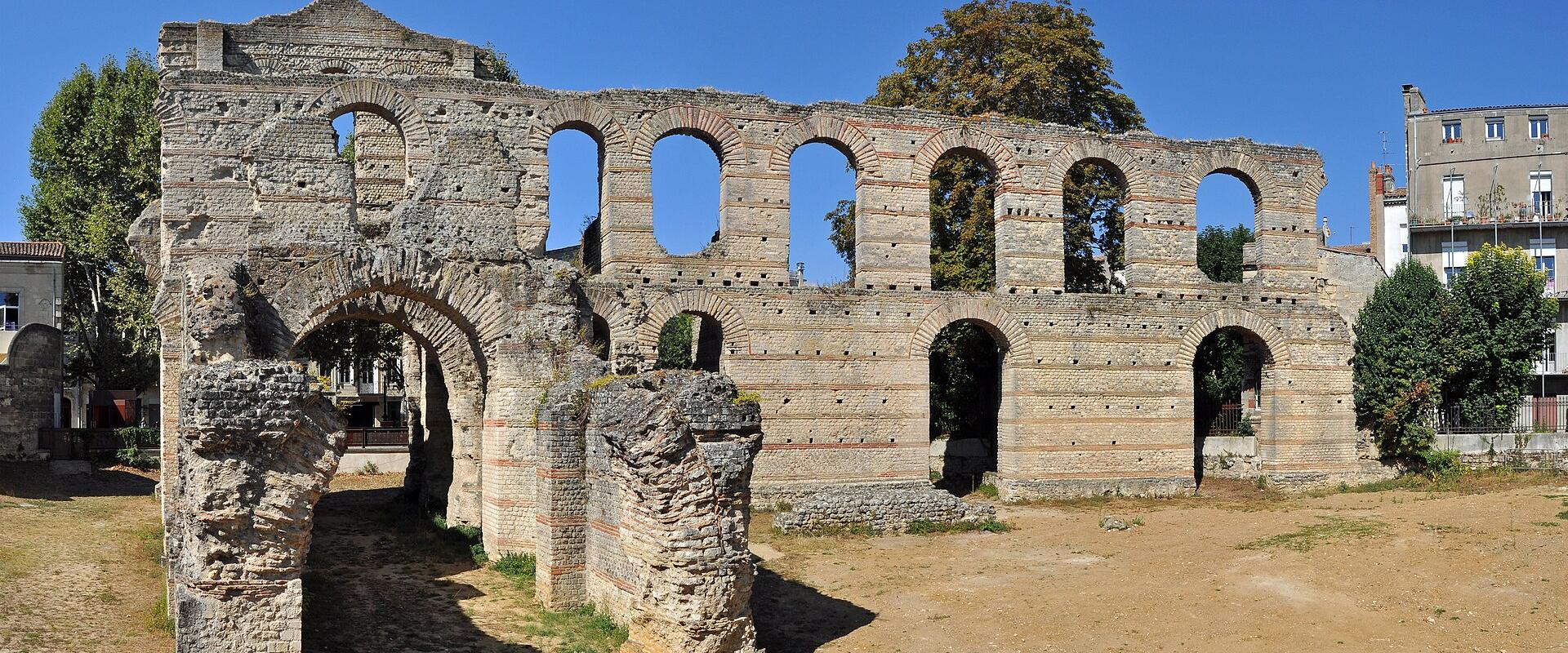
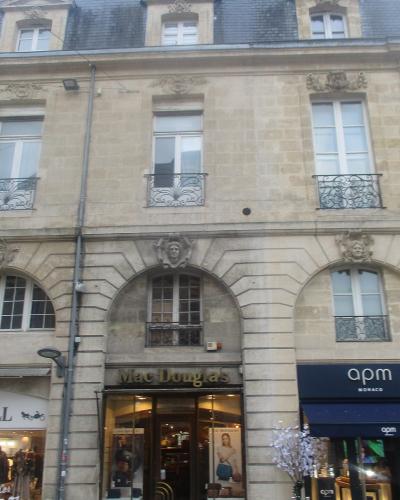
Bordeaux, situated in the Gironde department of southwestern France, is a city with a profound historical and cultural identity. Historically, it was a major port for the Roman Empire and later became a key center for the wine trade under English rule following the marriage of Eleanor of Aquitaine to Henry II of England. This period, known as the 'English Period,' left a lasting architectural legacy, including many Gothic and Renaissance buildings. In the 18th century, under the Intendancy of Tourny, Bordeaux underwent a massive urban renewal, creating the grand squares and neoclassical facades that define the city today. This era earned Bordeaux the nickname 'Paris on the Garonne.' The city's economy was heavily dependent on wine exports, a tradition that continues to this day, making it the heart of the Bordeaux wine region.
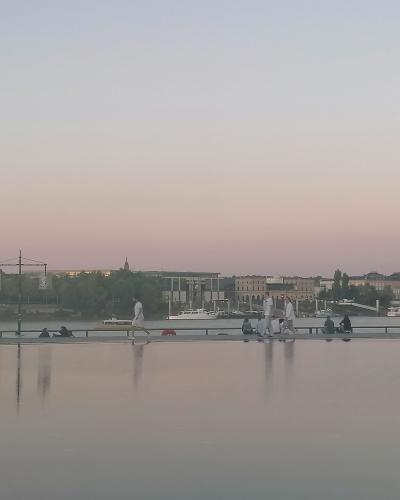
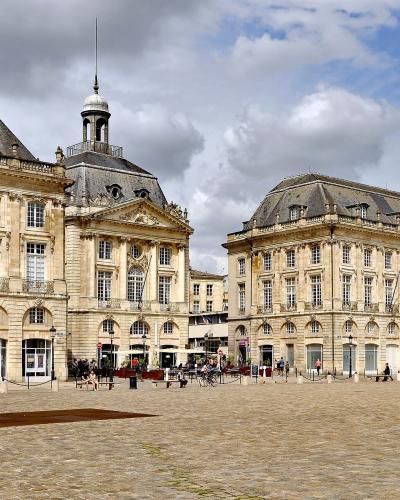
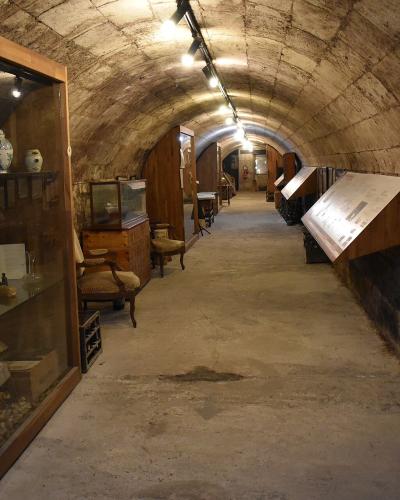
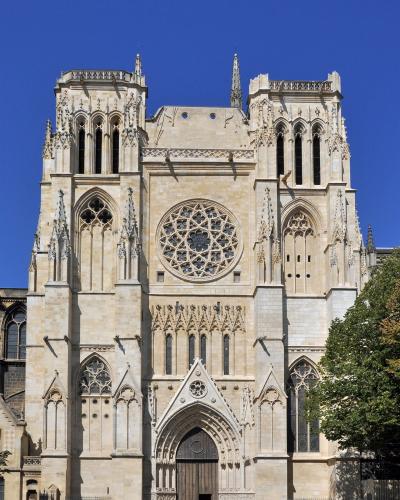
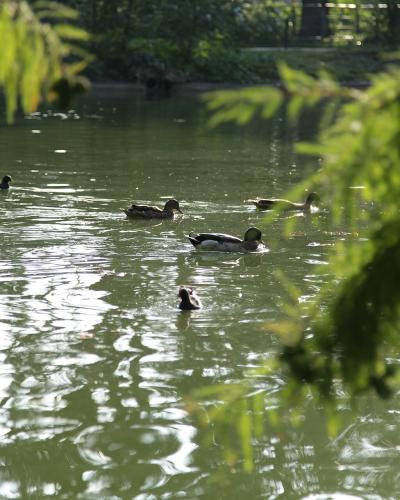
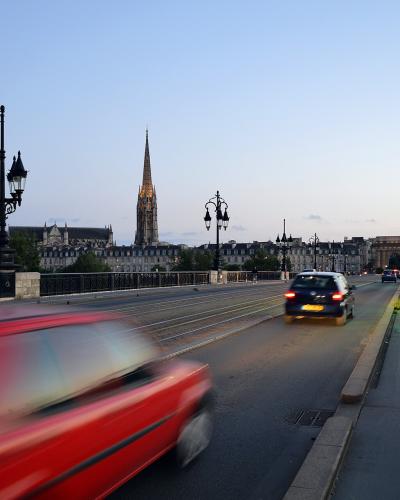
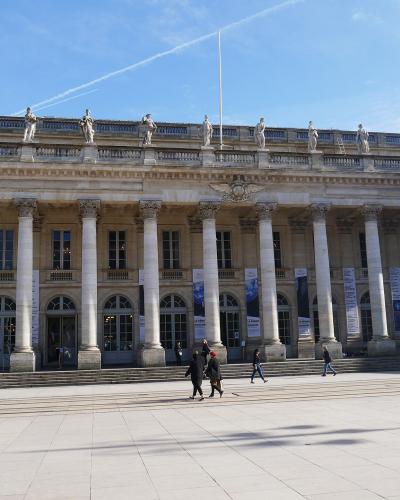
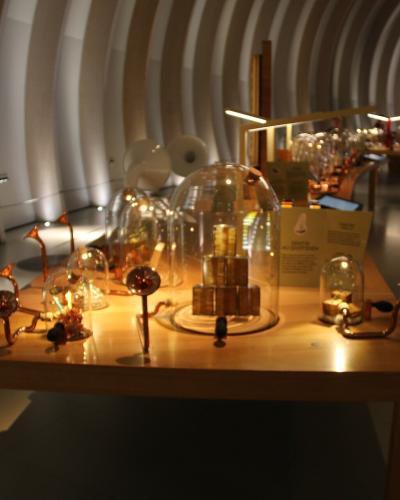
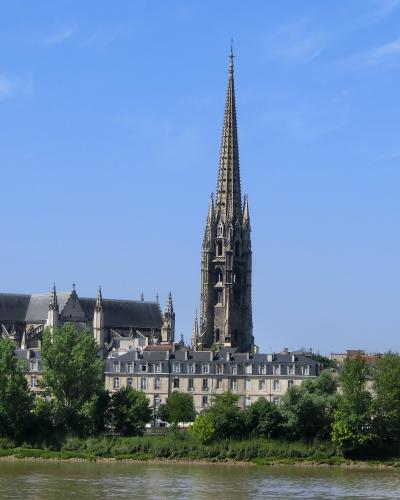
The main attractions in Bordeaux reflect its architectural grandeur and wine heritage. The Place de la Bourse, with its iconic Mirror of Water (Miroir d'eau), is the city's most famous landmark, offering stunning reflections of the 18th-century buildings. The Grand Théâtre, a masterpiece of neoclassical architecture, is a center for performing arts. The Cité du Vin, a modern architectural marvel, is dedicated to the world of wine, offering interactive exhibits, tastings, and panoramic views of the city. The Saint-Pierre Cathedral, a Gothic structure, and the Pey-Bell Tower are significant historical sites. The Chartrons district, formerly the center of the wine trade, is now a trendy area with boutiques, galleries, and cafes. The Jardin Public is a large English-style garden perfect for relaxation.
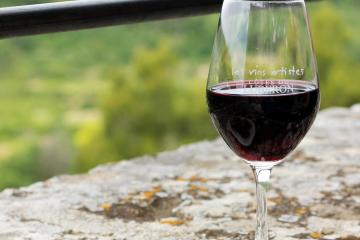
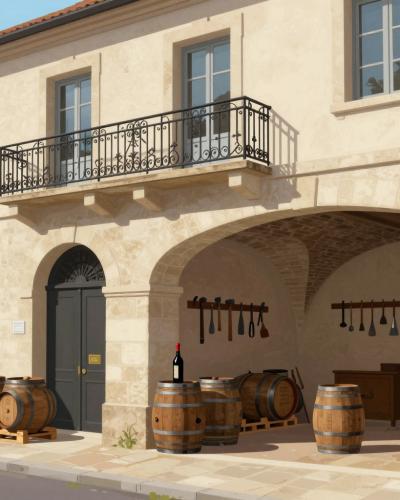
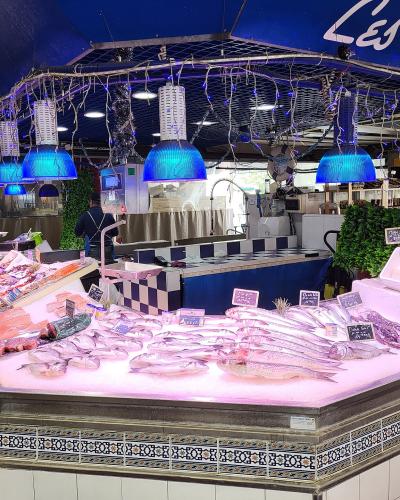
Bordeaux offers various activities for visitors interested in history, wine, and culture. Wine tasting is a central activity, with numerous cellars and shops offering samples of Bordeaux wines. Day trips to the Médoc region allow visitors to explore famous châteaux and vineyards. The city also hosts various festivals throughout the year, including the Bordeaux Wine Festival and the Festival of Light. The local cuisine features Aquitaine specialties, including oysters from Arcachon, duck confit, and caviar. The city has a vibrant culinary scene with many Michelin-starred restaurants and traditional bistros. The Garonne River offers boat tours, providing a different perspective of the city's architecture.
Getting to Bordeaux is convenient via train, with TGV services connecting it to Paris, Lyon, and other major French cities. The train station is located in the city center, making it easily accessible. For those traveling by car, Bordeaux is connected by the A10 and A63 motorways. The best time to visit Bordeaux is from May to June and September to October, when the weather is mild and pleasant, ideal for exploring the outdoor attractions and wine routes. July and August are the warmest months, with average highs around 25°C, but also the busiest. Spring and autumn offer milder weather and fewer crowds, making them suitable for sightseeing and wine tasting. Autumn is particularly popular for wine lovers due to the harvest season. Winter is cooler and quieter, offering a serene atmosphere for indoor museum visits. Bordeaux combines historical depth, artistic richness, and viticultural excellence, making it a compelling destination for travelers seeking an authentic French experience.
Best Time to Visit
May to June and September to October offer mild weather and fewer crowds for optimal exploration.
Did you know?
Interesting, verified facts about Bordeaux
Bordeaux's Port Is Officially Named After the Moon
HistoryBordeaux's historic riverfront has long been known as the "Port of the Moon" (Port de la Lune), after the elegant crescent the Garonne river carves through the city -- a crescent that has appeared on Bordeaux's coat of arms since the 12th century. On 28 June 2007, UNESCO inscribed "Bordeaux, Port of the Moon" on the World Heritage List as an outstanding urban and architectural ensemble of the Age of Enlightenment. The listing covers 1,731 hectares -- roughly two-fifths of the city -- and, according to UNESCO, Bordeaux counts more protected buildings than any French city except Paris.
Source: UNESCO World Heritage CentreBordeaux Has Another Verifiable Detail
HistoryThe city's atmosphere is vibrant, with a strong focus on gastronomy, culture, and leisure.
Source: 31 Facts About BordeauxBordeaux Has UNESCO-Linked Heritage
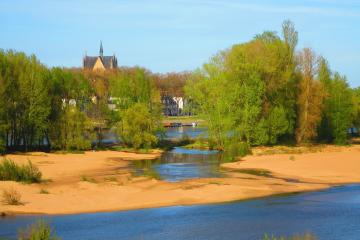
RecordDesignated a UNESCO World Heritage site, the city features elegant limestone buildings, grand squares, and a revitalized waterfront along the Garonne River.
Source: Laser cleaning of historical limestone buildings in ...Plan Your Visit to Bordeaux
Essential travel tips and information for your trip to Bordeaux.
Suggested Itineraries
One Day in Bordeaux
1 dayPerfect for a quick visit. See the main highlights and get a taste of local culture.
Extended Bordeaux Experience
2-3 daysComprehensive exploration including nearby attractions and cultural experiences.
Travel Tips
Currency
EUR • Cards widely accepted
Language
French • English in tourist areas
WiFi
Free WiFi in cafes and hotels
Explore Bordeaux by Interest
Discover attractions and experiences in Bordeaux organized by your interests and travel preferences.
All attractions in Bordeaux
Sorted by our recommendation score
Quick Facts
Book your stay
Frequently Asked Questions
More destinations in Aquitaine
Explore other amazing places in the Aquitaine region