







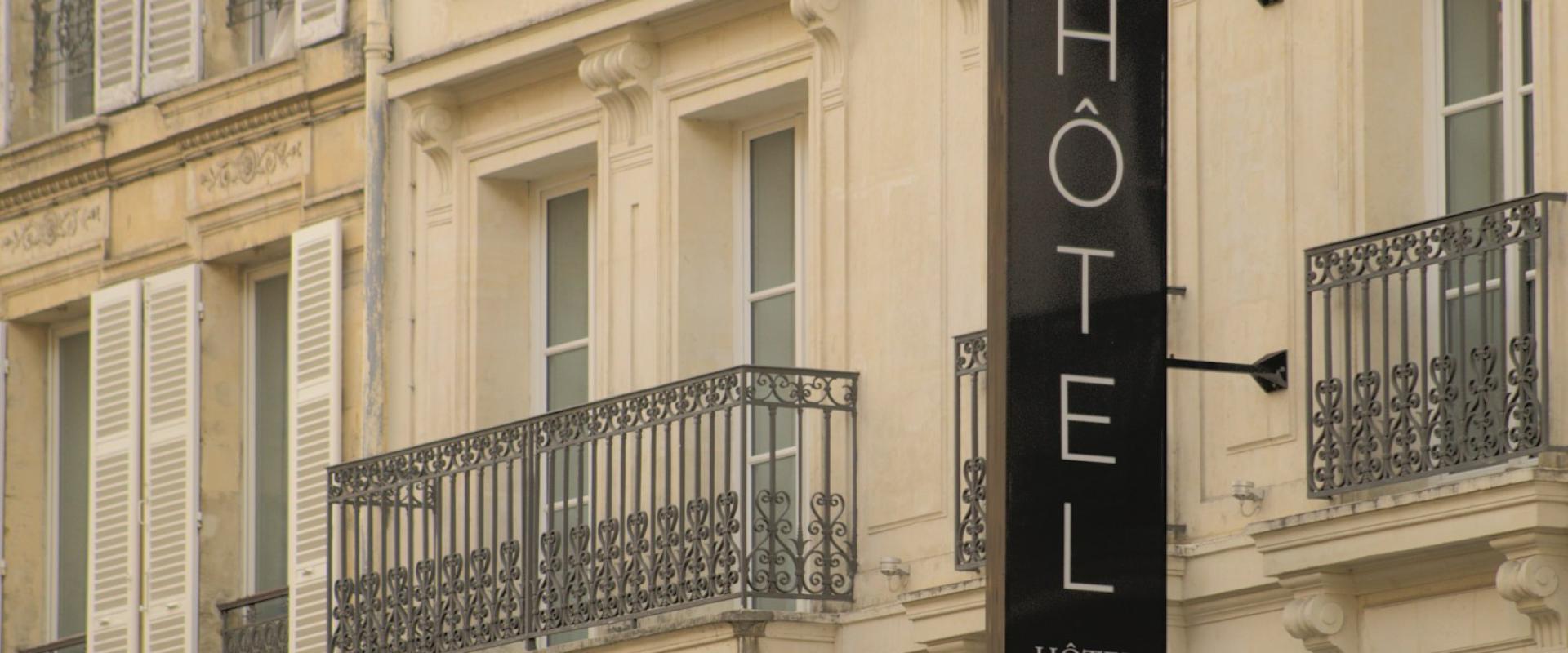
The French Budget Landscape
Hostels in France primarily serve travelers under thirty. These hostels offer dormitory-style rooms alongside private suites. Many facilities feature shared kitchens and bar areas. Some locations have modernized with high-quality amenities. In contrast, budget hotels cater to all age groups. Chains like ibis Budget and Kyriad provide standardized service. These hotels range from clean, no-frills options to more basic properties. Booking requires checking specific visitor review scores. French budget accommodation includes options from countryside guesthouses to urban hostels. The market is suitable for both budget and higher-end travelers. A key financial consideration is the cost for two people. Hostel rates for two may match cheap hotel prices. However, solo travel often yields better value at hostels. This structure supports diverse budget needs across the country.
Hostel Amenities and Modernization
Hostels in France offer diverse accommodation options. Many facilities feature high-quality amenities for comfort. Budget travelers often choose dormitory-style rooms. Private suites are also available in hostels. Shared kitchen areas are common in these hostels. Bar areas provide social spaces for guests. Quality varies significantly between different locations. Urban hostels in cities like Paris offer more amenities. Rural locations may have fewer modern facilities. Booking platforms list various options across France. Rates for two people may match hotel prices. Solo travelers often find better value in hostels. Budget hotels like Première Classe serve all ages. These hotels range from basic to standard quality. Checking visitor reviews is essential before booking. This ensures a suitable and comfortable stay. The variety of options caters to different needs. Budget travelers can find affordable and comfortable lodging.
Budget Hotel Chains and Standards
Budget chains like Ibis Budget offer standardized, no-frills accommodation. These hotels provide consistent privacy and quiet, distinct from hostels. French chains such as Kyriad and Campañile operate in major cities. They offer private rooms for travelers seeking guaranteed comfort. Budget hotels often cost more than hostels for two people. However, they provide superior privacy and quiet. Travelers should check recent reviews before booking. This ensures the specific property meets current standards. Cheap hotels range from clean, basic options to older, shabbier properties. Verifying condition through recent reviews is essential. This approach ensures accurate expectations for the stay. Budget travelers can choose based on privacy needs. Hostels remain suitable for those under thirty. Budget chains serve all age groups effectively. The choice depends on individual comfort preferences. French budget hotels offer reliable, private accommodation. This option suits travelers prioritizing quiet and privacy. Budget chains provide a consistent, standard experience. This is ideal for those seeking standard comfort. French budget hotels offer reliable, private accommodation. This option suits travelers prioritizing quiet, private space. Budget chains provide a consistent, standard experience. This is ideal for those seeking standard comfort.
Cost Analysis and Value
Hostel rates in France often match budget hotel prices. This makes solo travel cost-effective. Budget chains like Ibis Budget offer standard privacy. These options suit travelers seeking quiet. Hostels provide dormitory-style rooms for lower costs. Self-catering options reduce overall expenses significantly. Travelers can cook meals to save money. This approach lowers daily food costs. Budget chains serve all age groups. They provide consistent, no-frills accommodation. Reviews help verify quality before booking. French chains operate with similar standards. Budget travelers must check specific ratings. The choice depends on personal preference. Some prefer the social aspect of hostels. Others value the privacy of hotels. Both options offer valid budget solutions. The decision relies on individual comfort needs. French infrastructure supports both accommodation types well. Travelers can choose based on budget limits. Value is determined by individual priorities. Cost-effectiveness is key for budget travelers. France offers diverse options for all budgets.
Location and Accessibility
Hostels in France prioritize central locations. Paris host near major transit hubs. This proximity reduces travel time to key sites. Budget chains like Ibis offer similar convenience. They often sit near transport links. Location impacts noise levels significantly. Central areas offer convenience but higher noise. Quiet zones require longer commutes. Travelers must weigh time against cost. Shorter commutes save money on tickets. Longer walks preserve sleep quality. Hostel dorms vary by district. Private rooms may cost more centrally. Solo travelers benefit from central spots. Groups save on shared transport. Check review scores for location accuracy. Some properties list distance to metro. Others note walking times to sights. France offers free city attractions. Central hostels provide easy access. Budget hotels often cluster in tourist zones. Hostels may spread across neighborhoods. Verify exact addresses before booking. Proximity to Gare du Nord matters in Paris. Lyon and Marseille hostels follow similar patterns. Location dictates daily itinerary efficiency.
Booking Strategies and Reviews
Use online platforms like Hostelworld and Booking.com to compare rates. These sites list diverse options across France. Budget travelers can filter by price and amenities. Always check recent reviews before booking. Reviews provide accurate assessments of current conditions. Many host offer modern amenities, but standards vary. Reading recent feedback prevents unpleasant surprises. Book in advance to secure the best rates. Availability decreases during peak tourist seasons. Early booking ensures access to preferred dormitory rooms. Budget chains like Ibis offer consistent standards. Hostels provide a more social, affordable alternative. Solo travelers often find better value in hostels. Rates for two people may match budget hotels. However, individual costs are significantly lower at hostels. Verify location details carefully. Paris hostels often sit near major transit hubs. This proximity reduces daily travel time and costs. Confirm kitchen access if you plan to cook. Shared facilities require checking cleanliness in reviews. Prioritize properties with high visitor scores. This strategy ensures a reliable and comfortable stay.