
Coastal Diversity Overview
France offers distinct water sports environments across three major coastlines. Each region demands specific gear and skill levels.
Mediterranean Coast The Mediterranean provides calm, warm waters ideal for families. Sandy beaches with gradual depths suit beginners. Sainte-Maxime and Hyères feature supervised lifeguard zones. Morning snorkeling reveals seagrass beds near Porquerolles. The Calanques of Cassis offer clear visibility for underwater exploration. Paddleboarding remains popular along the Côte d'Azur. Ramatuelle, near Saint-Tropez, hosts diverse water activities. These spots cater to relaxed, low-intensity recreation.
Atlantic Coast The Atlantic presents powerful waves and cooler temperatures. This region serves as a premier surfing hub. Strong currents require advanced swimming skills. Beginners should seek designated safe zones. The water remains significantly colder than the south. Wetsuits are essential for thermal protection. Surf schools operate extensively along the Basque and Landes coasts. Conditions vary daily with wind and swell.
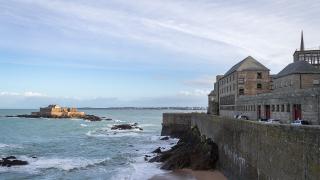
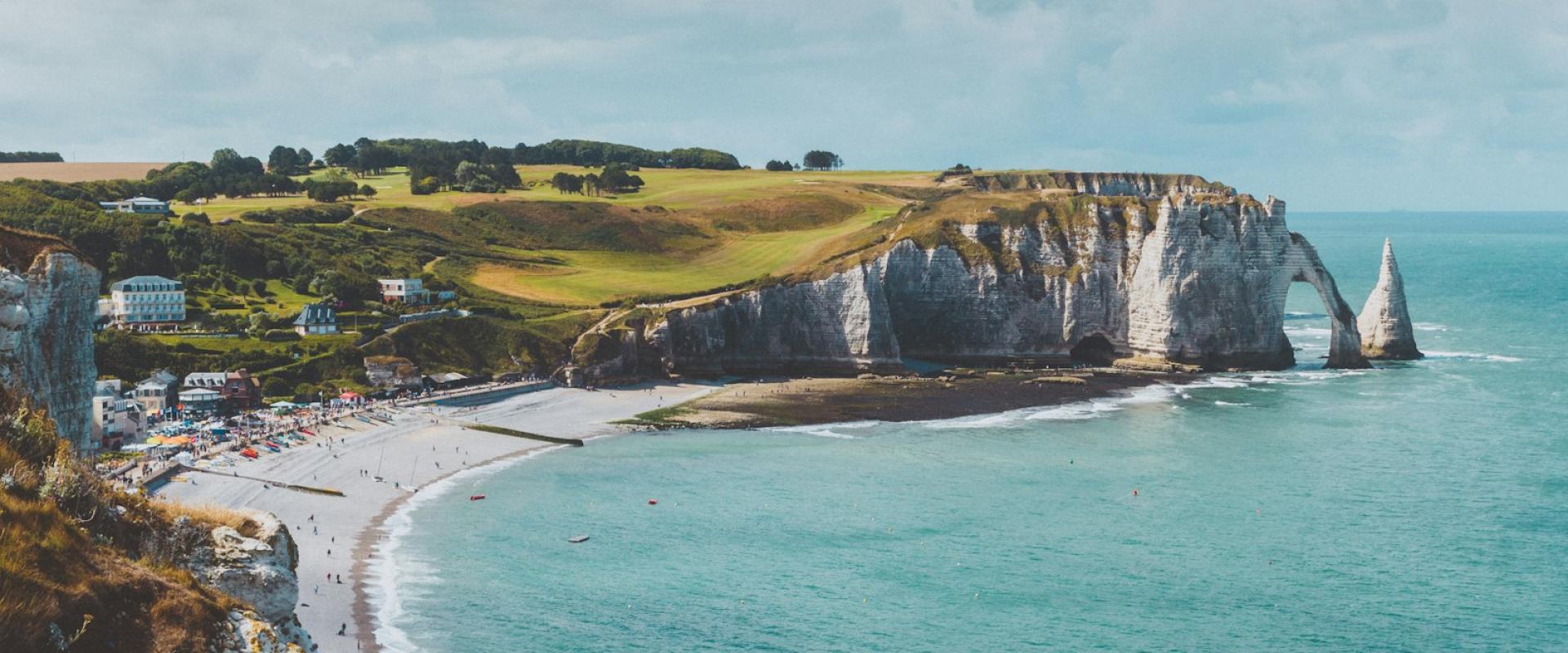
Channel Coast The Channel features rugged terrain and extreme tidal ranges. High tides can dramatically alter beach accessibility. Kayaking and coasteering suit adventurous explorers. Tidal challenges demand precise timing and local knowledge. The landscape is less suited for casual swimming. Safety protocols are stricter due to rapid water changes. This coast appeals to those seeking technical, high-energy challenges.
Regional Adaptation Travelers must match activities to coastal geography. The Mediterranean favors relaxation and visibility. The Atlantic demands respect for wave power. The Channel requires tidal awareness. Choosing the correct region ensures safety and enjoyment.
French beaches enforce strict safety protocols to protect participants. Lifeguards monitor designated swimming zones during peak seasons. Swimmers must respect colored flag systems indicating water conditions. Red flags prohibit entry due to dangerous currents or pollution. Yellow flags warn of moderate risks requiring caution. Green flags signal safe conditions for general swimming. Always swim within marked boundaries supervised by personnel. Instructor certifications are mandatory for commercial water sports. The Moniteur Sportif d’État (MSE) credential ensures professional standards. Some activities require specific MSPN qualifications for safety compliance. Environmental protections govern anchoring and boat operations strictly. Boaters must avoid protected marine areas and seagrass beds. Anchoring is prohibited in sensitive ecological zones to prevent damage. Pollution monitoring affects swimming eligibility in certain coastal areas. Authorities close beaches if bacterial levels exceed safety limits. Check local signage for real-time water quality updates. Rip currents pose significant risks along the Mediterranean coast. Recognize warning signs and swim parallel to shore if caught. Lifeguard stations provide emergency assistance and first aid. Respect local regulations to ensure a safe experience. Non-compliance can result in fines or expulsion from beaches. Prioritize certified instructors for lessons and guided tours. Verify credentials before booking any water sport activity. Adherence to these rules ensures personal safety and environmental preservation.
Essential Gear and Rentals
Hossegor offers high-quality rentals for Atlantic surfers. Local shops provide boards and wetsuits. Mediterranean hubs like Saint-Tropez supply gear for sailing. Package deals often include safety briefings. These briefings cover local currents and flags. Booking early is crucial for summer months. Mediterranean rentals fill quickly during peak season. Advance reservations ensure equipment availability. Inspect all gear before use. Check wetsuit seals for leaks. Examine board fins for cracks. Verify harness integrity for kitesurfing. Proper inspection prevents accidents. Lifeguards monitor designated zones. Respect their instructions at all times. Personal gear suits experienced athletes. Rentals benefit beginners and tourists. Local providers know regional conditions. They offer appropriate equipment for waves. Prices vary by activity type. Surfboards cost more than paddleboards. Wetsuits are essential in the Atlantic. The Mediterranean remains warmer year-round. Shorties may suffice in summer. Always carry identification for rentals. Shops require deposits for expensive items. Return gear promptly to avoid fees. Safety remains the primary concern. Proper fit ensures comfort and control. Ill-fitting gear increases injury risk. Choose reputable vendors with good reviews. Local knowledge enhances the experience. They suggest best spots for conditions. This guidance is invaluable for newcomers. France enforces strict safety standards. Compliance ensures a secure environment. Enjoy the water responsibly.
Top Destinations by Activity
France offers distinct coastal environments for specific water sports. Travelers should match their activity to the correct geographic region for optimal conditions.
Surfing Hubs The Atlantic coast provides consistent waves for surfers. Hossegor in the Landes department is a primary hub. The Basque Country, particularly Biarritz, attracts experienced riders. These areas feature powerful swells year-round. Beginners can find gentler breaks in nearby towns. Rental shops in Hossegor supply boards and wetsuits. Lessons are widely available at local surf schools.
Kayaking and Hiking The Calanques near Marseille offer unique karst landscapes. Kayakers navigate narrow limestone inlets with clear water. This area combines water sports with coastal hiking. Brittany’s rugged coastline provides sheltered bays for kayaking. The region’s complex shoreline protects paddlers from strong winds. Hikers can access remote coves by foot or boat. This dual activity suits active travelers seeking adventure.
Snorkeling Spots The Mediterranean coast offers calm, warm waters for snorkeling. Porquerolles Island features soft sandy bottoms and gradual depth. Cap d'Antibes provides easy access to underwater life. Morning hours offer the best visibility for marine observation. Swimmers can spot fish, starfish, and seagrass beds. Sainte-Maxime and Hyères also host supervised beaches. These locations ensure safety for families and beginners. Lifeguards monitor designated zones during peak summer months.
Booking and Logistics
Book directly with certified schools for safety and value. Advance booking is essential during peak summer season. Popular spots like Sainte-Maxime fill quickly. Mediterranean beaches feature soft sand and gradual depths. This makes them ideal for families with young children. Lifeguards supervise many beaches for added safety. Snorkeling is easy and child-friendly in the region. Mornings offer the best conditions for viewing underwater life. Visit Porquerolles or Cap d'Antibes for clear waters. The Calanques of Cassis also provide excellent snorkeling. Payment methods vary by provider. Some smaller operators prefer cash transactions. Always carry euros for local rentals. Accessibility features depend on the specific beach. Many Mediterranean locations are family-friendly due to calm waters. Weather significantly impacts water sports availability. Sudden storms can cancel activities on the Riviera. Check local forecasts before heading to Saint-Tropez. The Ramatuelle coast offers reliable conditions for windsurfing. Package deals often include safety briefings. Confirm cancellation policies when reserving equipment. Direct booking ensures you receive certified instruction. This reduces risk during high-speed boat activities.