

Tours
Historic Loire Valley gateway with Gothic cathedral and medieval towers
Tours, situated in the Indre-et-Loire department of the Centre-Val de Loire region, is a city with a profound historical and cultural identity. Historically, it was the capital of the Turones, a Gallic tribe, and later became a significant Roman city known as Caesarodunum. During the Middle Ages, Tours grew in importance as a religious center, home to the shrine of Saint Martin, which attracted pilgrims from across Europe. The city's strategic location on the Loire River made it a key trade hub. The Renaissance brought further prosperity, leading to the construction of many fine buildings. Tours also played a role in the French Wars of Religion and was heavily damaged during World War II, leading to post-war reconstruction that preserved much of its historic character while integrating modern elements.
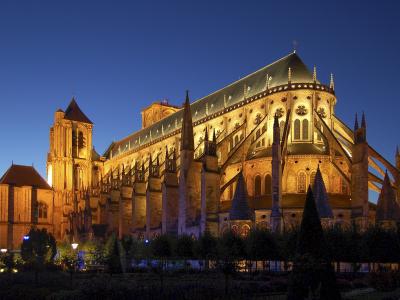
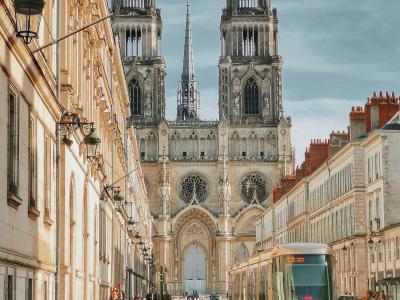
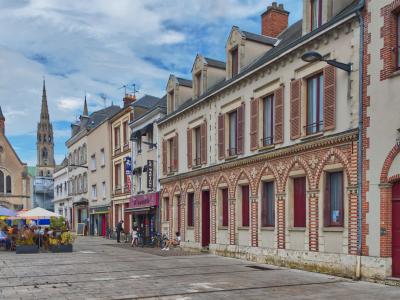
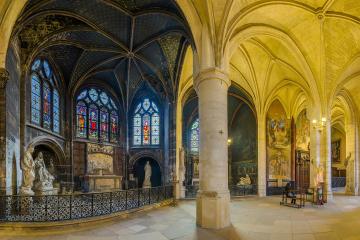
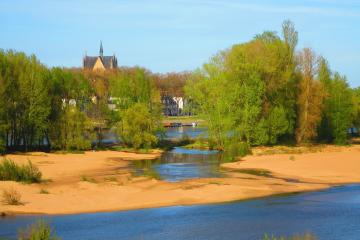
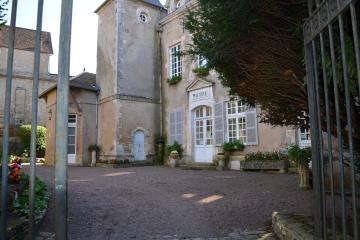
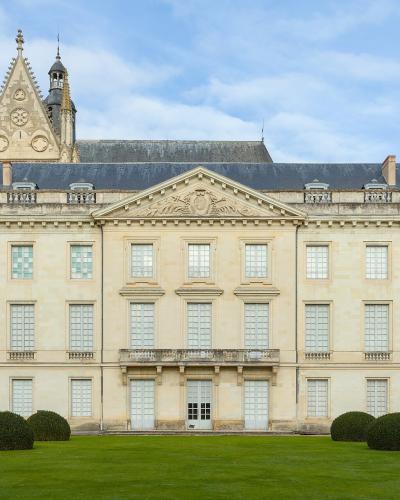
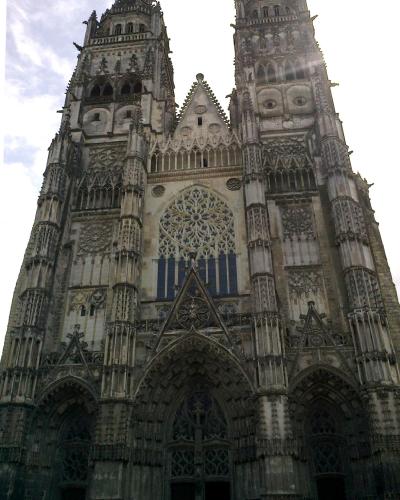
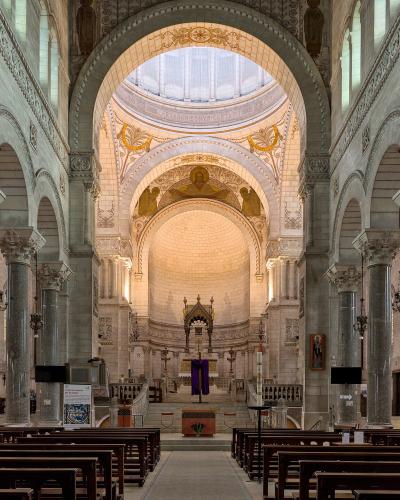
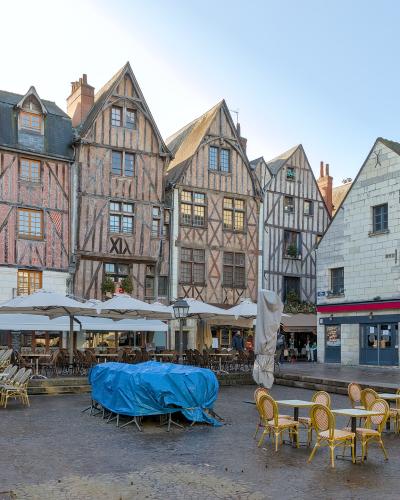
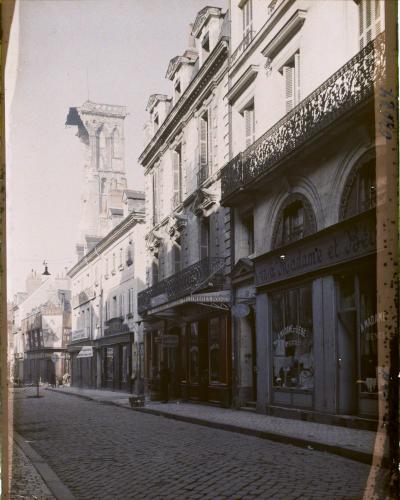
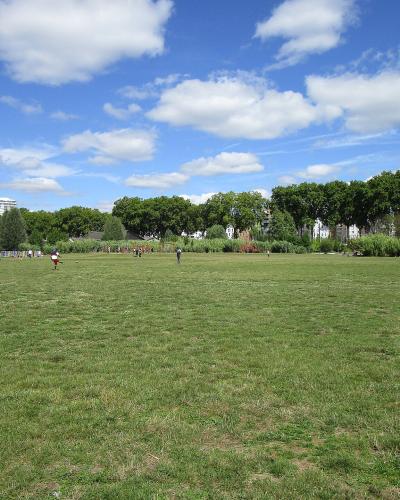
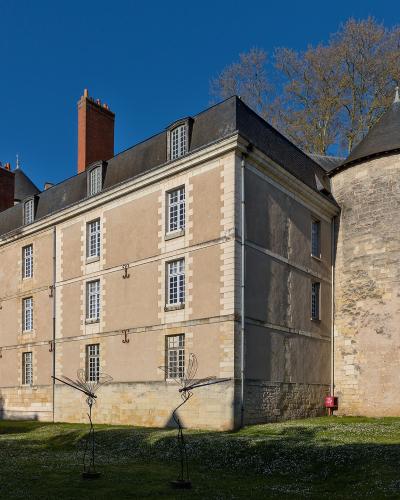
The main attractions in Tours reflect its medieval and Renaissance heritage. The Cathédrale Saint-Gatien is a masterpiece of Gothic architecture, featuring a tall spire and intricate stained-glass windows. The Tour Charlemagne, a 12th-century tower, is one of the few remaining remnants of the medieval fortifications. The Tour de l'Horloge, a Renaissance clock tower, offers panoramic views of the city. The old town, or Vieux Tours, is characterized by narrow streets lined with half-timbered houses and limestone buildings. The Musée des Beaux-Arts de Tours houses a significant collection of paintings, including works by Botticelli and Rubens. The Jardin des Plantes provides a peaceful green space in the city center. The Loire River offers scenic walks and boat trips, connecting Tours to other Loire Valley destinations.
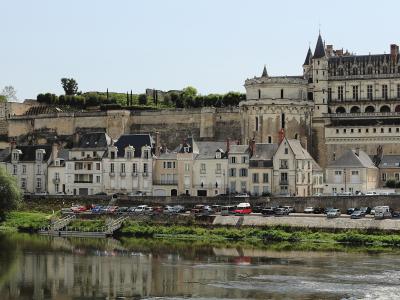
Tours offers various activities for visitors interested in history, art, and nature. The city is a starting point for the Loire à Vélo cycling route, which allows visitors to explore the region's châteaux and vineyards by bike. Wine tasting is a popular activity, with nearby vineyards producing renowned wines such as Vouvray and Chinon. The city hosts various festivals throughout the year, including the Festival de la Saint-Jean and the Tours Jazz Festival. The local cuisine features Touraine specialties, including goat cheese, rillettes, and game. The nearby châteaux of Amboise, Chenonceau, and Chambord are easily accessible from Tours, offering a glimpse into the grandeur of the French Renaissance.
Getting to Tours is convenient via train, with TGV services connecting it to Paris, Lyon, and other major French cities. The train station is located in the city center, making it easily accessible. For those traveling by car, Tours is connected by the A10 and A28 motorways. The best time to visit Tours is from mid-June to mid-September, when the weather is warm and pleasant, ideal for exploring the outdoor attractions and cycling routes. July and August are the warmest months, with average highs around 25°C, but also the busiest. Spring and autumn offer milder weather and fewer crowds, making them suitable for sightseeing and wine tasting. Autumn is particularly popular for wine lovers due to the harvest season. Winter is cooler and quieter, offering a serene atmosphere for indoor museum visits. Tours combines historical depth, artistic richness, and natural beauty, making it a compelling destination for travelers seeking an authentic Loire Valley experience.
Best Time to Visit
Mid-June to mid-September offers warm weather and ideal conditions for outdoor activities and sightseeing.
Plan Your Visit to Tours
Essential travel tips and information for your trip to Tours.
Suggested Itineraries
One Day in Tours
1 dayPerfect for a quick visit. See the main highlights and get a taste of local culture.
Extended Tours Experience
2-3 daysComprehensive exploration including nearby attractions and cultural experiences.
Travel Tips
Currency
EUR • Cards widely accepted
Language
French • English in tourist areas
WiFi
Free WiFi in cafes and hotels
Explore Tours by Interest
Discover attractions and experiences in Tours organized by your interests and travel preferences.

All attractions in Tours
Sorted by our recommendation score
Quick Facts
Book your stay
Frequently Asked Questions
More destinations in Centre-Val de Loire
Explore other amazing places in the Centre-Val de Loire region