

Rouen
Historic capital of Normandy with Gothic cathedral and medieval quarter
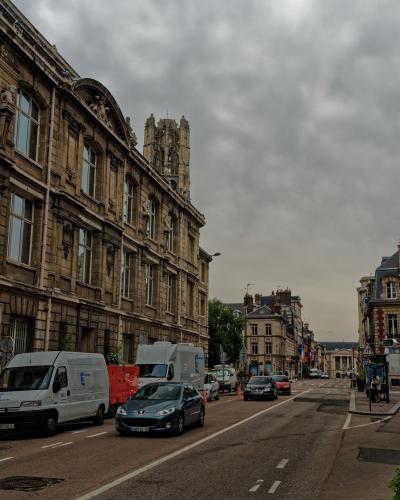
Rouen, situated in the Seine-Maritime department of northwestern France, is a city with a profound historical and cultural identity. Historically, it was the capital of the Duchy of Normandy and later a major center of the Hundred Years' War. The city played a crucial role in French history, particularly during the 15th century when Joan of Arc was tried and executed in the Old Market Square in 1431. This event left a lasting mark on the city's collective memory and architecture. Rouen was also a significant ecclesiastical center, with the Archbishop of Rouen holding the title of Primate of Normandy. The city suffered damage during World War II but was rebuilt, preserving its historic character while embracing modernity. The local economy has traditionally been based on trade, industry, and tourism, with the port of Rouen being one of the most important in France.
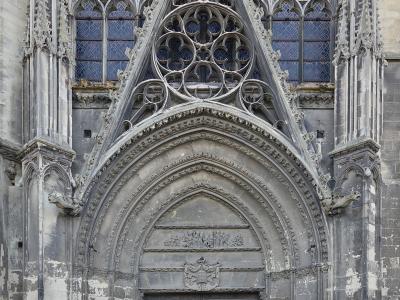
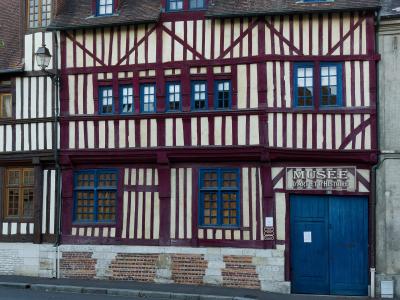
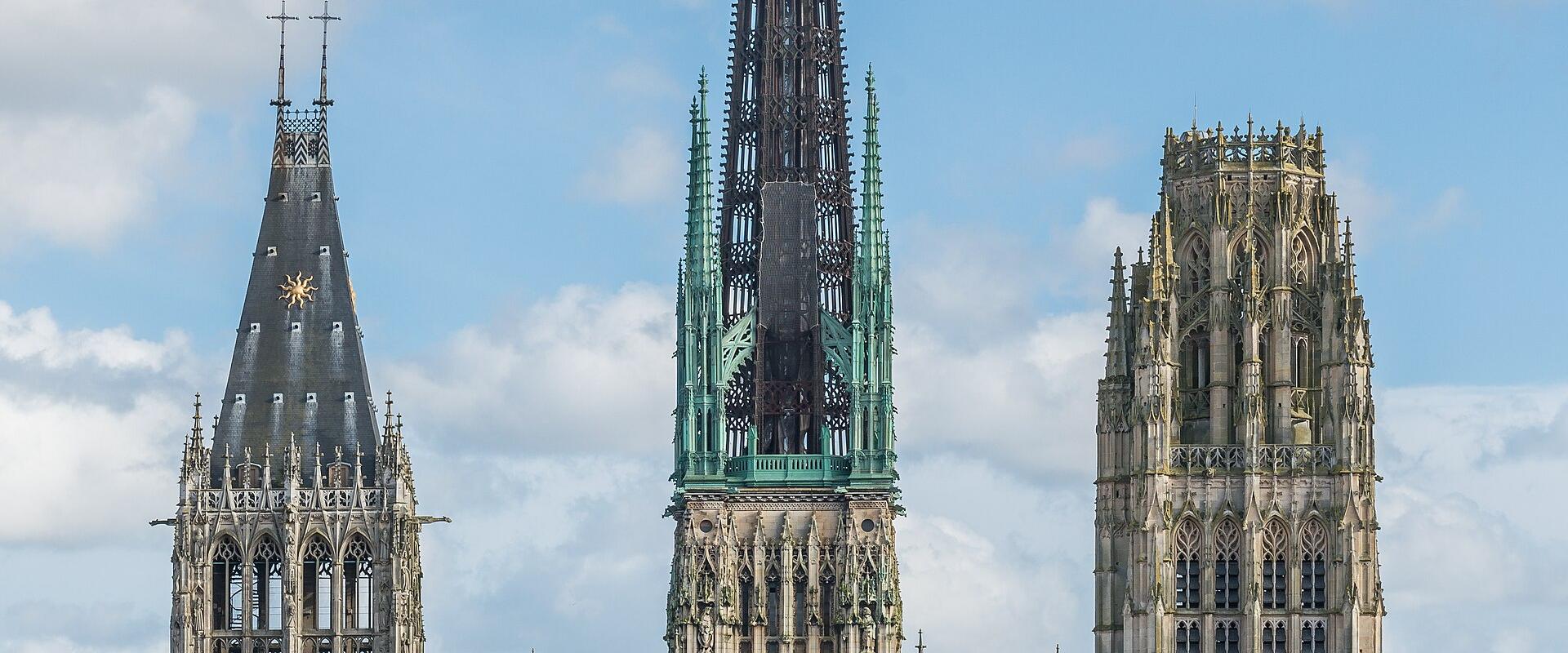
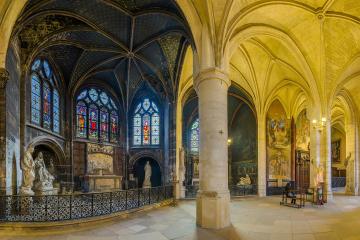
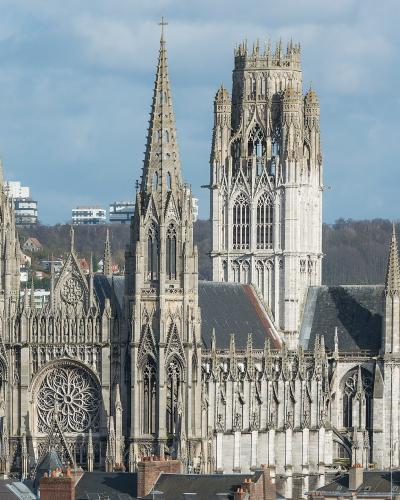
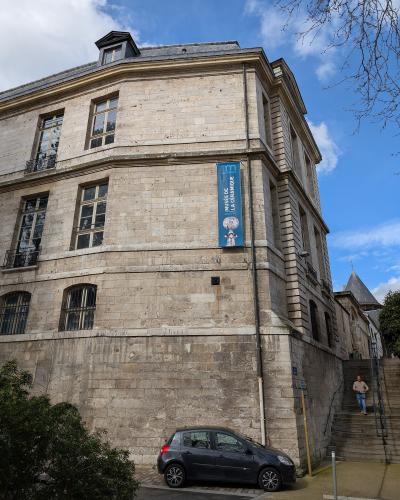
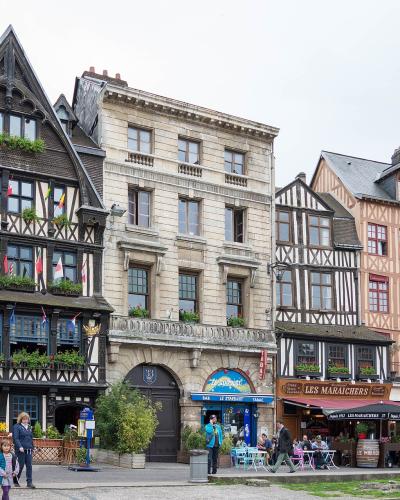
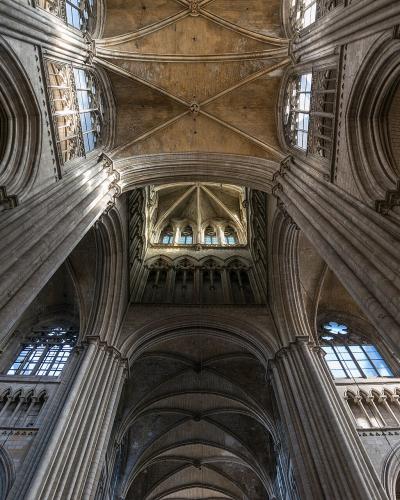
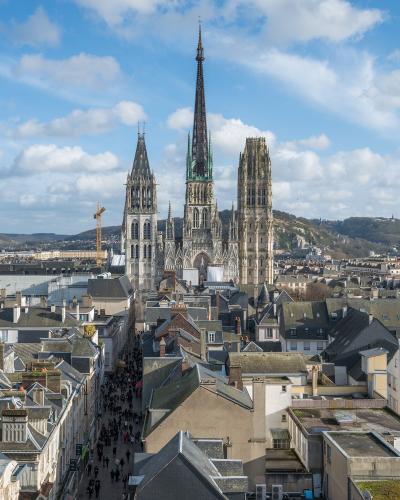
The main attractions in Rouen reflect its religious, historical, and artistic heritage. The Cathédrale Notre-Dame de Rouen is the primary landmark, a masterpiece of Gothic architecture featuring intricate facades, flying buttresses, and a famous clock. The Musée des Beaux-Arts houses an extensive collection of paintings, including works by Monet, Delacroix, and Géricault. The Gros-Horloge, a Renaissance astronomical clock, is located on a bridge over the Rue du Gros-Horloge, a street lined with well-preserved half-timbered houses. The Musée de la Céramique displays a collection of ceramics from the region. The Place du Vieux-Marché, where Joan of Arc was executed, is a solemn site with a chapel built on the spot. The Abbey of Saint-Ouen is another significant religious site, featuring a stunning Gothic church.
Rouen offers various activities for visitors interested in history, art, and culture. Walking tours through the old town allow visitors to appreciate the architectural details and the narrow streets. The city is a starting point for exploring the Normandy landing beaches, with guided tours available to sites like Omaha Beach and Pointe du Hoc. The local cuisine features Norman specialties, including camembert cheese, cider, and duck confit. The city hosts various festivals throughout the year, including the Rouen Light Festival. The nearby town of Honfleur is easily accessible for additional cultural attractions. The surrounding countryside offers opportunities for cycling and hiking, with marked trails through the Normandy bocage.
Getting to Rouen is convenient via train, with regular services from Paris and other major French cities. The train station is located in the city center, making it easily accessible. For those traveling by car, Rouen is accessible via the A13 motorway. The best time to visit Rouen is from late June to early September, when the weather is warm and pleasant, ideal for exploring the outdoor attractions and walking tours. July and August are the warmest months, with average highs around 22°C, but also the busiest. Spring and autumn offer milder weather and fewer crowds, making them suitable for sightseeing and museum visits. Winter is cooler and quieter, offering a serene atmosphere for indoor museum visits. Rouen combines historical depth, artistic richness, and natural beauty, making it a compelling destination for travelers seeking an authentic Norman experience.
Best Time to Visit
Late June to early September offers warm weather and ideal conditions for outdoor activities and sightseeing.
Did you know?
Interesting, verified facts about Rouen
Joan of Arc's Execution Site
HistoryThe city of Rouen is historically significant as the location where Joan of Arc was burned at the stake in 1431. This event is a central part of the city's historical identity and is frequently referenced in local history.
Source: external sourcePlan Your Visit to Rouen
Essential travel tips and information for your trip to Rouen.
Suggested Itineraries
One Day in Rouen
1 dayPerfect for a quick visit. See the main highlights and get a taste of local culture.
Extended Rouen Experience
2-3 daysComprehensive exploration including nearby attractions and cultural experiences.
Travel Tips
Currency
EUR • Cards widely accepted
Language
French • English in tourist areas
WiFi
Free WiFi in cafes and hotels
Explore Rouen by Interest
Discover attractions and experiences in Rouen organized by your interests and travel preferences.
All attractions in Rouen
Sorted by our recommendation score
Quick Facts
Book your stay
Frequently Asked Questions
More destinations in Normandy
Explore other amazing places in the Normandy region