


Historical Context and Diversity
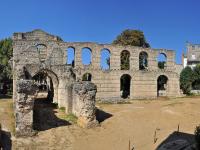
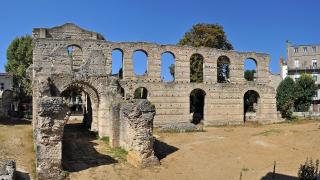
France serves as a historical crossroads for diverse civilizations. This position created distinct regional architectural styles. Roman influence dominates the southern regions. You will find ancient ruins and amphitheaters there. Northern areas show Norman and Frankish impacts. These styles reflect different historical conquests. Local materials significantly shaped building techniques. In Normandy, builders used timber frames. They filled gaps with cob, known as torchis. This method created half-timbered houses. These structures appear in Champagne and Alsace. Alsace shows clear German influence. The framework supports the local infill. Geography dictated material availability across the country. Travelers recognize styles to identify locations. Gothic and Renaissance styles also define the heritage. Understanding these differences reveals cultural narratives. The diversity stems from varied geography. It also results from historical trade routes. Each region preserved its unique construction methods. This preservation aids modern heritage conservation.
Medieval and Gothic Heritage
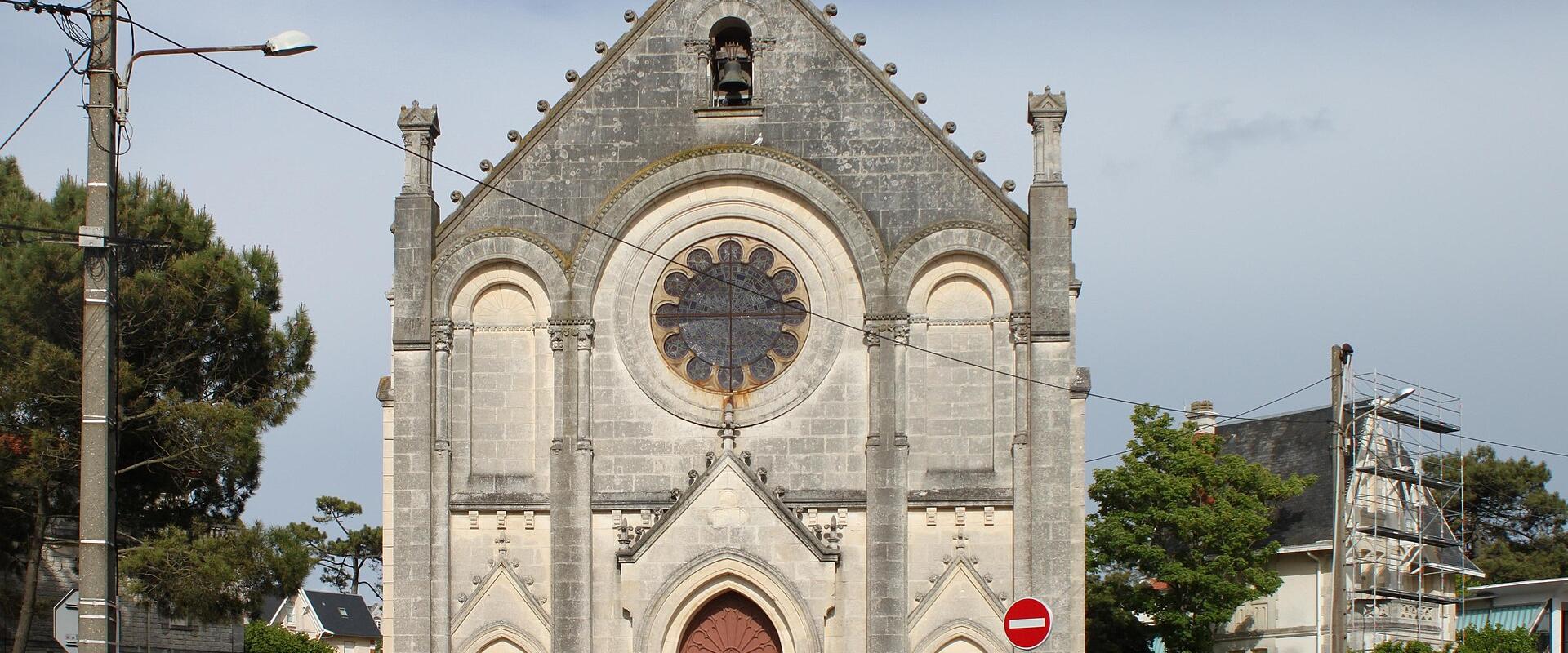
Gothic architecture defines much of France’s medieval heritage. Key features include pointed arches and ribbed vaults. Flying buttresses support high walls and large windows. Notre-Dame de Paris exemplifies this Parisian style. Chartres Cathedral showcases intricate stained glass and sculpture. Reims Cathedral served as the traditional coronation site. These structures demonstrate advanced engineering from the 12th century. Carcassonne offers a contrasting fortified city example. Its double walls and towers reflect military medieval design. Romanesque styles remain visible in rural southern areas. These buildings feature thick walls and rounded arches. The contrast highlights France’s diverse historical layers. Visitors should respect preservation rules at all sites. Photography may require specific permits in some churches. Quiet behavior is expected inside sacred spaces. Guided tours provide essential historical context for these structures. Understanding these styles enhances appreciation of French history. The architectural evolution reflects changing religious and political needs. Each region developed unique variations based on local stone. This diversity creates a rich visual landscape for travelers.
Renaissance and Classical Styles
French Renaissance architecture emerged in the late 15th century. Italian influences transformed medieval fortresses into elegant residences. The Loire Valley showcases this shift best. Châteaux like Chambord and Chenonceau feature symmetrical facades. Classical orders and ornate chimneys define these structures. This era marked a decisive shift toward secular design. Kings prioritized palatial comfort over religious devotion. Urban planning later adopted strict Classical principles. Parisian squares like Place des Vosges demonstrate this order. Architects emphasized symmetry, proportion, and geometric clarity. The Louvre’s courtyard reflects this disciplined aesthetic. Classical style dominated the 17th and 18th centuries. It replaced Gothic verticality with horizontal balance. Royal authority shaped these monumental public spaces. Architects like Mansart applied rigorous mathematical rules. These designs projected state power and stability. The style influenced provincial capitals across France. Uniform facades created harmonious streetscapes. This architectural evolution preserved France’s cultural heritage. Modern visitors can still observe these distinct styles. They remain central to France’s architectural identity.
Regional Vernacular Traditions
France’s regional architecture reflects local materials and climate. Northern styles utilize timber for insulation against cold. Alsace and Normandy feature half-timbered houses. These structures use a wooden framework filled with cob. German influence is visible in Alsatian designs. Southern regions prioritize heat resistance and durability. Provence employs stone and terracotta extensively. These materials manage high temperatures effectively. Brittany’s landscape dictates the use of granite. This durable stone withstands coastal weather. Builders adapted techniques to available resources. Recognizing these styles aids location identification. The Maison à Colombage defines northern heritage. It distinguishes Normandy and Champagne visually. Southern châteaux blend stone with classical elements. This diversity stems from historical crossroads. Roman influence persists in the south. Local geography necessitated specific building choices. Travelers observe these distinct regional traits. Each style serves practical environmental needs. The Loire Valley showcases Renaissance adaptations. Fortresses transformed into elegant residences. This evolution highlights cultural shifts. Vernacular traditions remain visible today. They provide insight into local history. Understanding these styles enhances the travel experience. You can identify regions by their architecture. This knowledge connects visitors to the land.
19th Century Urban Transformations
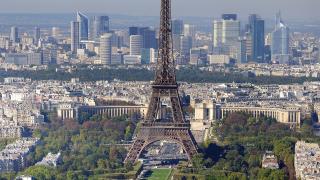
Haussmann’s renovation transformed Paris in the mid-1800s. Baron Haussmann directed this massive urban project. He created wide, straight boulevards across the city. This design improved traffic flow and sanitation. New buildings followed strict uniform height regulations. Haussmannian apartments feature distinctive limestone facades. Balconies line the upper floors consistently. Iron and glass structures emerged during industrialization. The Eiffel Tower exemplifies this engineering shift. These structures showcased modern French industrial capability. Preservation laws later protected these historic styles. The Malraux Law of 1962 established sectors. These sectors mandate strict architectural conservation. Today, these regulations maintain Paris’s unique aesthetic. Visitors see consistent stone and zinc roofs. This uniformity defines the modern French capital. Industrial heritage sites also receive protection. Factories convert into cultural centers legally. This approach balances progress with heritage. France prioritizes its built environment history. Urban planning remains a key cultural asset. The legacy of 19th-century changes persists visibly.
Visitor Guidelines and Preservation
France classifies significant structures under the Monuments Historiques label. This status ensures strict legal protection for heritage sites. Visitors must adhere to specific access rules. Many interiors require guided tours for entry. You cannot wander freely through all historic zones. Ticketing systems manage crowd control effectively. Prices vary by site and season. Advance booking is often mandatory for popular châteaux. Opening hours change with the tourist season. Always verify schedules before traveling. Respect conservation efforts by staying on marked paths. Do not touch ancient walls or frescoes. Photography may be restricted in sensitive areas. Littering is strictly prohibited on all heritage grounds. These measures preserve France’s architectural legacy. Your compliance helps maintain these historic structures. The goal is sustainable tourism for future generations. Understanding these guidelines enhances your cultural experience. You contribute directly to preservation through responsible behavior. This approach protects both the buildings and their context.