




Seasonal Blooming Timelines
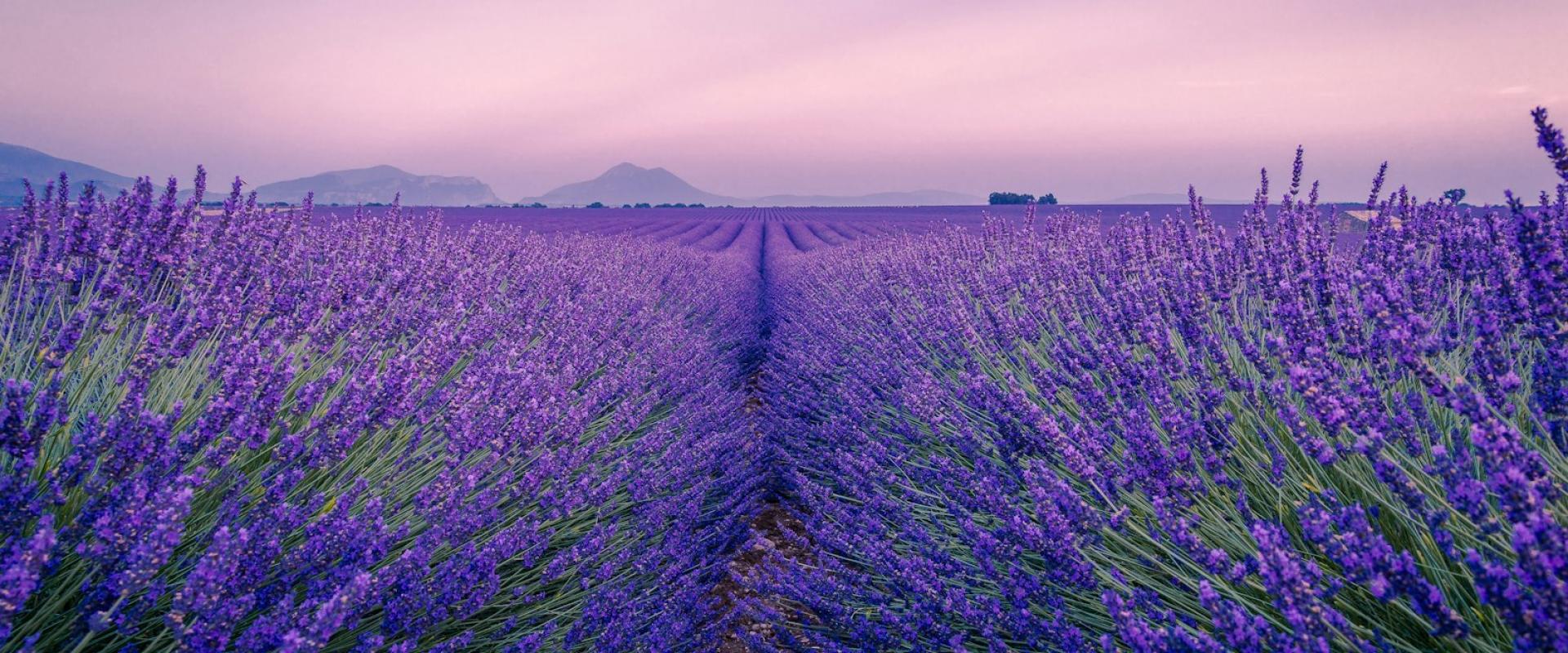
Lavender bloom timing in Provence depends on altitude. Low-altitude fields near Valensole bloom first. These areas typically peak from late June to early July. Higher elevations delay the harvest significantly. Villages in Sault and the Luberon region bloom later. Expect vibrant purple hues there from mid-to-late July. Altitude dictates the start date for each zone. Warmer valleys trigger earlier flowering cycles. Cooler mountain slopes extend the season. Weather patterns can shift these timelines by two weeks. A cold spring may delay blooming. An early heatwave might accelerate it. Plan visits based on specific regional data. Valensole offers the earliest viewing window. Sault provides the latest seasonal display. Check local conditions before traveling. The harvest usually begins in July. Fields remain cut until mid-August. Avoid visiting after mid-July in lowlands. The landscape turns brown after harvest. High-altitude areas retain color longer. This variation allows extended viewing opportunities. Travelers should target specific zones. Timing is critical for optimal photography. Bloom stages change rapidly. Daily weather impacts visual quality. Plan around the peak weeks. Late June suits Valensole visitors. Mid-July suits Sault travelers. This framework ensures accurate trip planning. Provence offers distinct seasonal windows. Altitude remains the primary factor. Weather serves as the secondary variable. Precise timing enhances the experience.
Geographic Field Distribution
Valensole features flat, accessible lavender fields. These low-altitude plains allow easy vehicle access. The terrain supports large-scale commercial harvesting. Luberon offers rugged, textured landscapes instead. Hills create natural shadows and depth. This topography complicates direct field access. Sault provides high-altitude panoramic views. Elevation delays blooming until July. The scenery includes distant mountain ranges. Drôme Provençale serves as a secondary zone. This area shares similar growing conditions. Apt represents another key production hub. These towns support local lavender markets. Each region defines distinct visual characteristics. Valensole remains the most visited site. Luberon appeals to hikers and photographers. Sault attracts visitors for late blooms. Geographic variation dictates the travel itinerary. Altitude directly influences the harvest date. Low areas bloom in late June. High areas peak in mid-July. Travelers must plan routes carefully. Distance between fields affects daily schedules. France-specific regional distinctions matter greatly. Generic Provence descriptions lack this precision. Local geography shapes the entire experience. Understanding these zones improves trip planning. Specific locations offer unique advantages. Valensole offers convenience and scale. Luberon provides dramatic natural beauty. Sault delivers expansive highland vistas. Drôme and Apt offer quieter alternatives. Each zone requires different navigation strategies. Knowledge of these areas prevents wasted time. France’s lavender industry relies on this diversity. Regional specialization ensures year-round production. Visitors benefit from knowing these differences. Proper geographic awareness enhances the journey.
Village Accessibility Logistics
Most historic hilltop villages in Provence restrict vehicle access. Drivers must park in designated peripheral lots. These zones often sit below the main village walls. Arrival before 9:00 AM is critical during peak season. Parking spaces fill rapidly by mid-morning. Rental cars require careful navigation skills for narrow streets. Many roads feature steep inclines and tight turns. Public transport options are limited in rural areas. Shuttles operate seasonally between major lavender sites. These services connect Valensole to nearby Luberon villages. Check local schedules before arrival. Timetables change frequently based on tourist demand. Walking is the primary mode of transport within villages. Cobblestone streets can be difficult for luggage. Wear sturdy footwear for uneven terrain. Avoid driving into village centers during summer months. Congestion increases significantly between July and August. Use designated drop-off points for hotel guests. Verify parking fees in advance. Rates vary by municipality and season. Plan extra time for transit between sites. Distances between villages are short but travel is slow. Prioritize pedestrian access for a smoother experience.
Crowd Management Strategies
Visit lavender sites before 8:00 AM or after 5:00 PM. Early morning light offers better photography conditions. Late afternoon heat diminishes significantly. Use midday hours for indoor activities. Visit local museums or historic churches. Enjoy traditional French dining during peak sun. Explore lesser-known regions like Drôme Provençale. This area receives fewer tourists than Valensole. The landscape remains equally scenic but quieter. Avoid major festivals and market days. These events attract large regional crowds. Check local calendars for specific dates. Plan visits around local holidays carefully. Use real-time monitoring tools for traffic. French apps provide live road updates. Adjust routes based on current congestion. Prioritize smaller villages over popular hubs. Sault offers a less crowded alternative. The lavender fields here remain accessible. Drive slowly through narrow village streets. Parking fills quickly during peak season. Arrive early to secure a spot. Respect local noise ordinances strictly. Maintain a quiet demeanor in residential areas. Support local businesses directly. Purchase lavender products from farm stands. This reduces reliance on large tourist shops. Keep waste in designated bins. Preserve the natural beauty of fields. Follow marked paths strictly. Do not trample crops for photos. Harvest seasons vary by altitude. High-altitude fields bloom later in July. Plan accordingly to avoid overlap. Stay informed about local regulations. Compliance ensures continued access for all visitors.
Transportation Network Overview
High-speed TGV trains connect major French cities to Avignon and Aix-en-Provence. This rail link offers the fastest entry into the Provence region. From these hubs, travelers access the lavender fields. Car rental remains essential for exploring rural sites. Public transport lacks the flexibility needed for remote villages. TER regional trains serve smaller towns with limited frequency. Schedules often do not align with peak bloom hours. Buses provide an alternative but require strict adherence to timetables. Routes may skip less populated lavender areas entirely. Driving allows direct access to Valensole and Luberon fields. Parking availability varies significantly during peak summer months. Visitors should book rental vehicles well in advance. Rail travel suits those staying in urban centers. Car rental is mandatory for comprehensive field exploration. Public buses offer a budget-friendly but rigid option. Plan routes carefully to avoid missed connections. Rural sites rarely have direct train access. Efficient travel requires combining rail and road options. This strategy maximizes time spent viewing lavender blooms.