


Defining the Château Experience
In France, a château denotes a historic estate, not merely a luxury hotel. Over 40,000 such structures exist across the country. Many serve as accommodations, blending heritage with modern hospitality. Authentic properties often hold 'Monument Historique' status. This classification protects architectural integrity and historical value. It distinguishes genuine heritage sites from modern resorts. Guests experience preserved interiors, original stonework, and period details. The setting provides immersion into French aristocratic history. Modern comforts remain essential for contemporary luxury standards. High-thread-count linens and en-suite bathrooms ensure comfort. Dining often features regional cuisine and local wines. The experience balances historical authenticity with service excellence. Visitors should verify the building's heritage status. This ensures the property meets true historic criteria. Marketing terms sometimes mislabel modern constructions as châteaux. True château hotels offer tangible historical context. They provide a unique window into France's past. The architecture reflects centuries of regional design evolution. Landscapes often include formal gardens or vineyards. These elements enhance the overall aesthetic appeal. Understanding this distinction clarifies the unique value proposition. It sets realistic expectations for the stay.
Regional Variations and Architecture
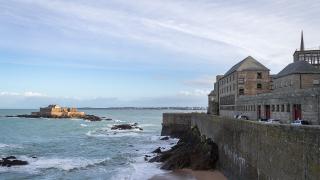
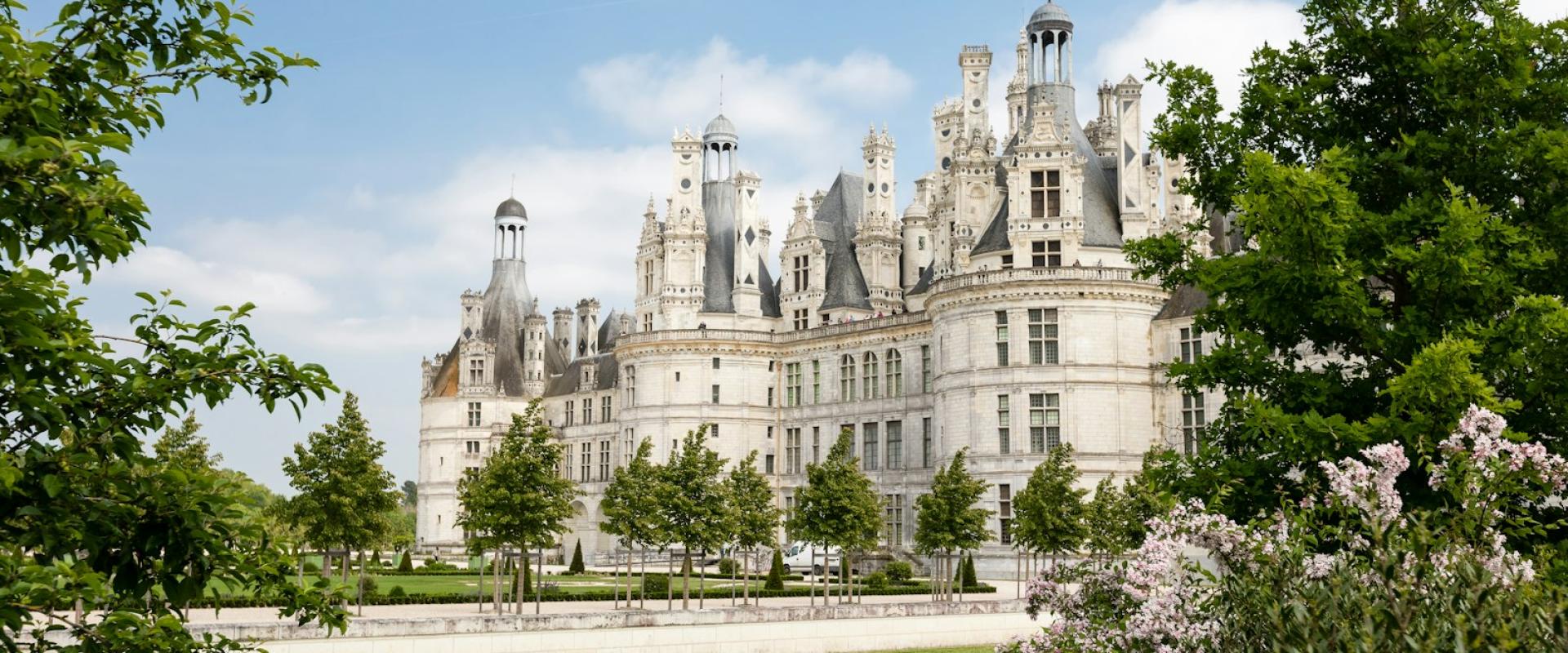
Regional architecture defines the château experience. Loire Valley estates feature Renaissance elegance. These structures display symmetrical facades. Formal gardens frame the grounds. Provence accommodations utilize rustic stone. Sun-drenched terraces offer intimate settings. Normandy and Brittany show Norman styles. Coastal views dominate the Breton landscape. Alsace châteaux blend Germanic and French elements. Vineyard settings surround these properties. Each region offers distinct architectural cues. Travelers select locations based on style. Loire Valley suits classic luxury seekers. Provence appeals to those wanting warmth. Normandy provides historic maritime atmosphere. Alsace offers unique cultural fusion. Architectural details reflect local history. Stone types vary by region. Roof styles indicate geographic origin. Window placements optimize regional light. Garden layouts follow regional traditions. Choosing a château requires regional awareness. Style preferences guide the selection process. France’s diversity ensures varied stays. Each estate tells a local story through its structure.
Amenities and Modern Comforts
Historic stone walls impede modern climate control. Most French châteaux lack central air conditioning. Guests must rely on ceiling fans or open windows. Elevators are rare due to preservation laws. Staircases often feature steep, narrow steps. Bathroom sizes vary significantly by property age. Some suites retain original, compact layouts. Connectivity remains a primary challenge. Thick masonry blocks Wi-Fi signals in remote towers. High-speed internet is not guaranteed in all rooms. Dining defines the luxury experience. Many estates offer Michelin-starred restaurants. Menus emphasize regional French ingredients. Wine cellars provide exclusive tastings. Some properties feature private spas. These amenities offset structural limitations. Guests prioritize culinary excellence over technological convenience. The atmosphere remains authentic and historic. Modern comforts are integrated subtly. This approach preserves architectural integrity. Travelers should verify specific amenities before booking. Expect traditional elegance over contemporary minimalism. The charm lies in the heritage. Practical comforts are secondary to the setting.
Booking and Service Expectations
Availability for French châteaux is extremely limited. You must book months in advance. Direct contact with the estate is essential. This ensures personalized service and special requests. Service levels vary significantly between properties. Some operate like full-service hotels. Others function as private, exclusive estates. Check-in and check-out times are flexible. Staff accommodate specific guest schedules. Additional charges apply for certain amenities. Concierge services often cost extra. These fees cover local tours or transport. Dining options may require separate reservations. Michelin-starred meals are not always included. You must confirm all inclusions beforehand. Communication via email is standard practice. Phone calls may not be answered immediately. Plan your itinerary with precision. Last-minute changes are rarely possible. Staff prioritize long-term guests. Respect for historic preservation is mandatory. No loud music or parties allowed. This ensures a tranquil environment. Always verify cancellation policies carefully. Deposits are usually non-refundable. Read the fine print thoroughly. Understanding these rules prevents misunderstandings. Proper planning enhances your luxury experience.
Heritage laws restrict structural modifications in French châteaux. Elevators are rare due to preservation statutes. Guests with mobility issues must communicate needs early. Staff can arrange ground-floor rooms when available. Rural locations complicate transportation logistics. Most estates lack direct public transit links. Private transfers from regional airports are essential. Parking is usually available on-site. However, spaces may be limited near main entrances. Luggage handling requires advance coordination. Staircases are common in historic wings. Porters assist with heavy trunks and bags. Plan for longer check-in times. Security checks may delay arrival procedures. Verify specific room accessibility before booking. Some suites lack step-free entry. Rural roads can be narrow. Ensure vehicle size fits estate grounds. French hospitality staff are accommodating. Clear communication ensures a smooth stay. Logistics require careful pre-trip planning. Confirm all special requests in writing. This prevents misunderstandings upon arrival. Prioritize estates with modern infrastructure. These offer better accessibility options. Research parking policies thoroughly. Some locations charge for valet services. Factor these costs into your budget. Early booking secures preferred accommodations. This allows time for special arrangements. Verify elevator availability if needed. Not all historic buildings have them. Contact the estate directly. Discuss specific mobility requirements. Staff can suggest suitable rooms. This ensures a comfortable experience. Plan transportation well in advance. Rural transfers require reliable drivers. Ensure luggage fits your vehicle. Some châteaux have steep driveways. Check road conditions before traveling. This prevents logistical issues. Prioritize clear communication with hosts. This facilitates smoother logistics. Verify all details before departure. This ensures a stress-free visit. Plan for potential delays. Rural travel times vary. Confirm pickup locations carefully. This avoids confusion upon arrival. Ensure all requests are documented. This protects your interests. Prioritize estates with good reviews. These often handle logistics better. Research local transport options. This provides backup plans. Ensure you have necessary contacts. This aids in emergencies. Plan meals around transport times. This avoids scheduling conflicts. Verify dietary needs early. This ensures proper service. Confirm all details in writing. This prevents misunderstandings. Prioritize clear and concise communication. This ensures a successful trip. Verify all arrangements before travel. This ensures peace of mind. Plan for extra time. Rural locations require patience. Ensure you have sufficient funds. Some services require cash. Verify payment methods accepted. This avoids inconvenience. Plan your itinerary carefully. This maximizes your stay. Ensure you have all documents. This prevents entry issues. Verify visa requirements if needed. This ensures legal compliance. Plan for weather contingencies. Rural areas can be isolated. Ensure you have appropriate clothing. This ensures comfort. Verify all details before departure. This ensures a smooth journey. Plan for potential delays. This ensures you arrive on time. Ensure you have all necessary contacts. This aids in emergencies. Plan your activities carefully. This maximizes your enjoyment. Verify all reservations in advance. This prevents disappointments. Ensure you have a flexible schedule. This allows for changes. Plan for unexpected events. This ensures a positive experience. Verify all details before travel. This ensures a successful trip. Plan for extra time. This ensures you are not rushed. Ensure you have all necessary items. This prevents last-minute issues. Verify all arrangements before departure. This ensures peace of mind. Plan your route carefully. This avoids getting lost. Ensure you have a map. This aids in navigation. Verify all details before travel. This ensures a smooth journey. Plan for potential delays. This ensures you arrive on time. Ensure you have all necessary contacts. This aids in emergencies. Plan your activities carefully. This maximizes your enjoyment. Verify all reservations in advance. This prevents disappointments. Ensure you have a flexible schedule. This allows for changes. Plan for unexpected events. This ensures a positive experience. Verify all details before travel. This ensures a successful trip. Plan for extra time. This ensures you are not rushed. Ensure you have all necessary items. This prevents last-minute issues. Verify all arrangements before departure. This ensures peace of mind. Plan your route carefully. This avoids getting lost. Ensure you have a map. This aids in navigation. Verify all details before travel. This ensures a smooth journey. Plan for potential delays. This ensures you arrive on time. Ensure you have all necessary contacts. This aids in emergencies. Plan your activities carefully. This maximizes your enjoyment. Verify all reservations in advance. This prevents disappointments. Ensure you have a flexible schedule. This allows for changes. Plan for unexpected events. This ensures a positive experience. Verify all details before travel. This ensures a successful trip. Plan for extra time. This ensures you are not rushed. Ensure you have all necessary items. This prevents last-minute issues. Verify all arrangements before departure. This ensures peace of mind. Plan your route carefully. This avoids getting lost. Ensure you have a map. This aids in navigation.