

Carcassonne
UNESCO fortified medieval city with double walls and towers
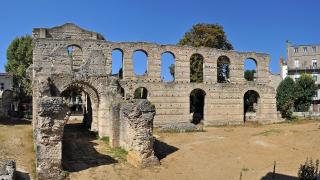
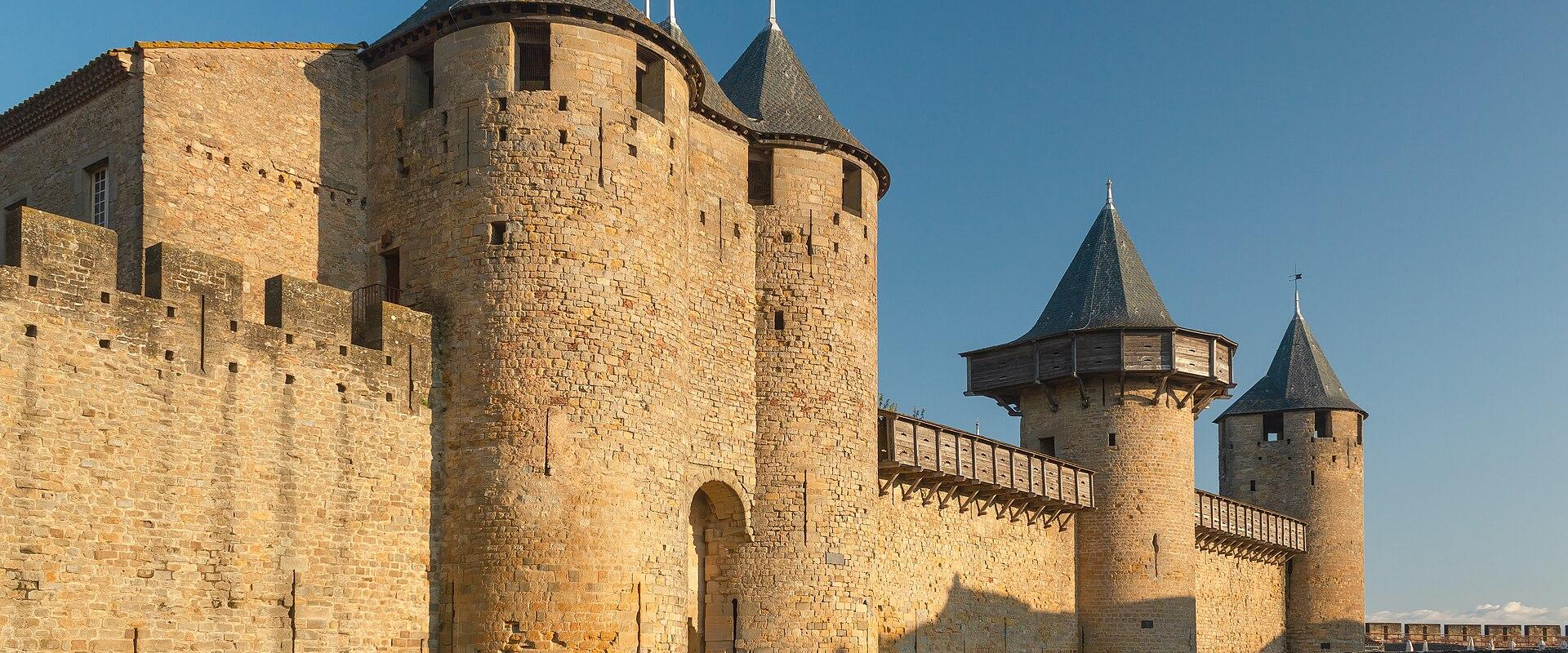
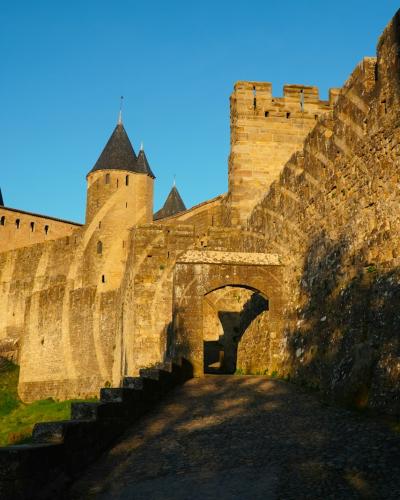
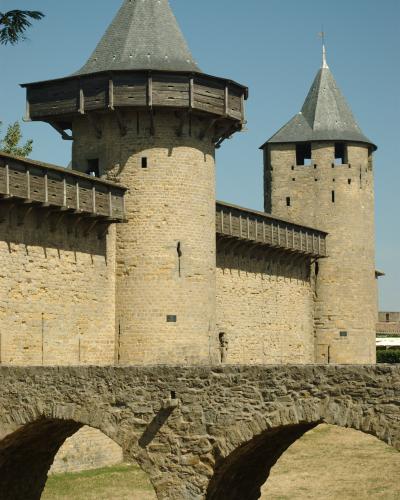
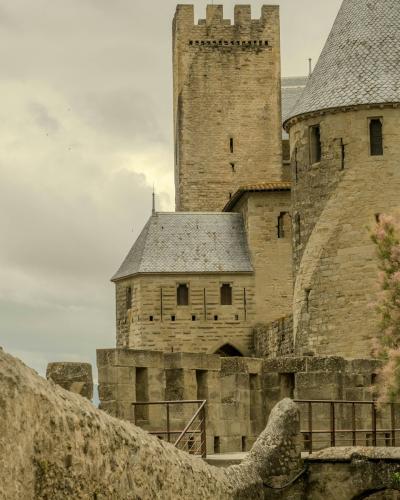
Carcassonne, situated in the Aude department of southern France, is a city with a profound historical and architectural identity. Historically, it was a strategic stronghold for various powers, including the Romans, Visigoths, and Counts of Toulouse. The city played a significant role during the Albigensian Crusade in the 13th century, when it was besieged and captured by Simon de Montfort. In the 19th century, the architect Eugène Viollet-le-Duc led a massive restoration project that saved the site from ruin and defined its current appearance, though some critics argue it was overly romanticized. The city's layout is defined by its two concentric walls, with the inner wall protecting the La Cité (the old city) and the outer wall protecting the Ville Basse (the lower city). The local economy has traditionally been based on agriculture, particularly wine production in the surrounding Languedoc region, but tourism is now the primary driver.
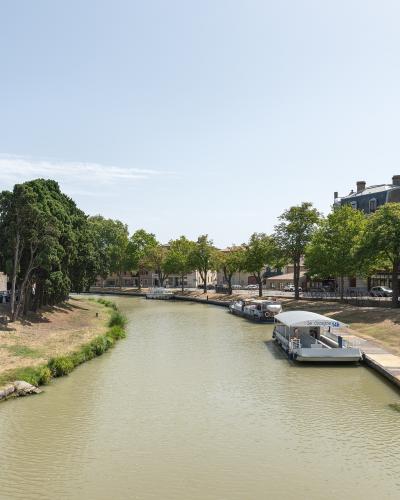
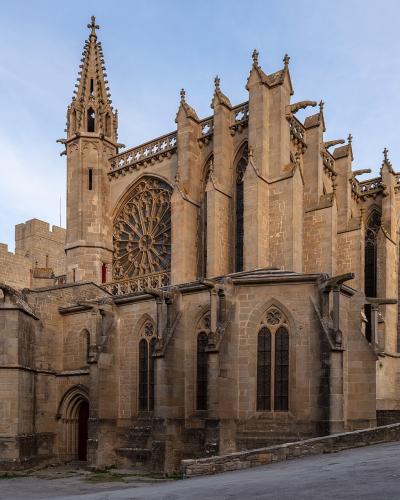
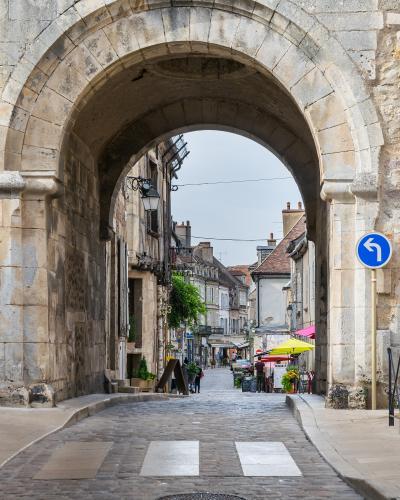
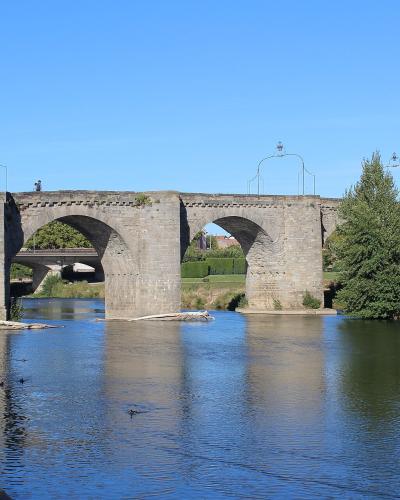
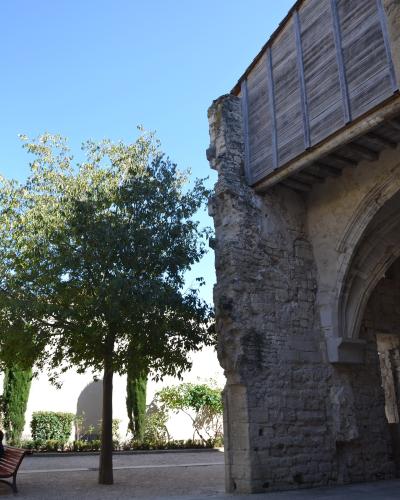
The main attractions in Carcassonne revolve around its medieval fortifications. La Cité is the primary landmark, featuring the Basilica of Saint-Nazaire, a Romanesque church with a stunning apse, and the Château Comital, a castle that now houses a museum. The ramparts offer panoramic views of the surrounding countryside and the Pyrenees. The Porte Narbonnaise and the Tour de la Barrière are notable gates in the outer walls. The Ville Basse features the Canal du Midi, a UNESCO World Heritage site, which runs through the city. The Basilica of Saint-Sernin, located in the Ville Basse, is another significant religious site. The surrounding area offers opportunities for exploring the Cathar castles, such as Château de Peyrepertuse and Château de Quéribu.
Carcassonne offers various activities for visitors interested in history, culture, and nature. Guided tours of La Cité provide detailed insights into the city's medieval history and architecture. The city hosts the Carcassonne Festival, a major music event held annually in the amphitheater within the walls. The local cuisine features Occitan specialties, including cassoulet, duck confit, and local wines. The Canal du Midi offers opportunities for canoeing and kayaking. The nearby city of Toulouse is easily accessible for additional cultural attractions. The surrounding countryside offers opportunities for hiking and cycling, with marked trails through the vineyards and hills.
Getting to Carcassonne is convenient via train, with regular services from Toulouse and Paris. The train station is located in the Ville Basse, making it easily accessible. For those traveling by car, Carcassonne is accessible via the A61 motorway. The best time to visit Carcassonne is from early July to late August for hot-weather activities, or March to June for milder weather and fewer crowds. July and August are the warmest months, with average highs around 28°C, but also the busiest. Spring and autumn offer milder weather and fewer crowds, making them suitable for sightseeing and museum visits. Autumn is particularly popular for wine lovers due to the harvest season. Winter is cooler and quieter, offering a serene atmosphere for indoor museum visits. Carcassonne combines historical depth, architectural grandeur, and natural beauty, making it a compelling destination for travelers seeking an authentic Occitan experience.
Best Time to Visit
Early July to late August offers warm weather and ideal conditions for outdoor activities and sightseeing.
Did you know?
Interesting, verified facts about Carcassonne
UNESCO Heritage Designation
HistoryIn 1997, the fortified city of Carcassonne was designated a UNESCO World Heritage Site, recognizing its historical significance and well-preserved medieval architecture.
Source: external sourcePlan Your Visit to Carcassonne
Essential travel tips and information for your trip to Carcassonne.
Suggested Itineraries
One Day in Carcassonne
1 dayPerfect for a quick visit. See the main highlights and get a taste of local culture.
Extended Carcassonne Experience
2-3 daysComprehensive exploration including nearby attractions and cultural experiences.
Travel Tips
Currency
EUR • Cards widely accepted
Language
French • English in tourist areas
WiFi
Free WiFi in cafes and hotels
Explore Carcassonne by Interest
Discover attractions and experiences in Carcassonne organized by your interests and travel preferences.


All attractions in Carcassonne
Sorted by our recommendation score
Quick Facts
Book your stay
Frequently Asked Questions
More destinations in Midi-Pyrénées
Explore other amazing places in the Midi-Pyrénées region