

Brittany
Northwestern French peninsula with Celtic traditions
About Brittany
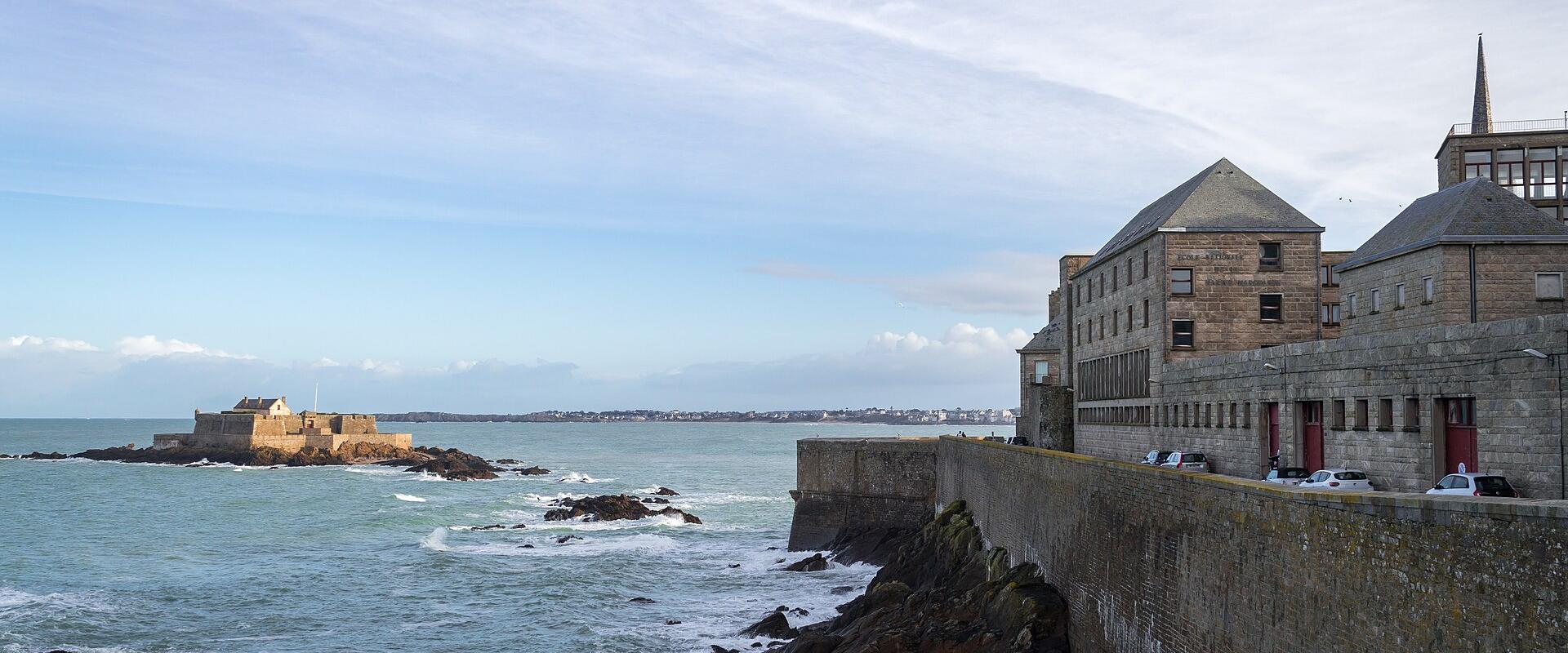
Brittany is a region defined by its dramatic interplay of land and sea, offering travelers a distinct cultural identity rooted in Celtic traditions. From the jagged granite cliffs of the Côte de Granit Rose to the charming walled city of Saint-Malo, this northwestern corner of France provides an immersive experience into history, folklore, and natural beauty.
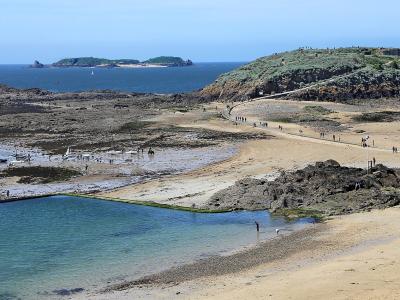
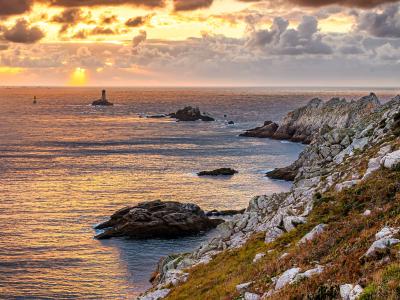
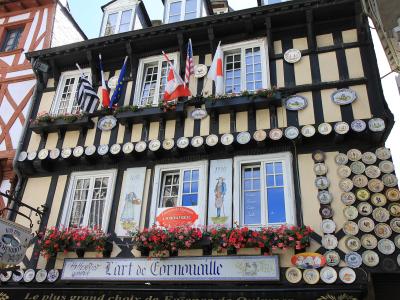
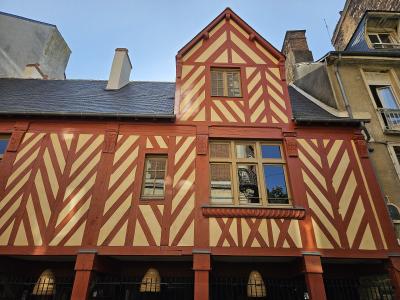
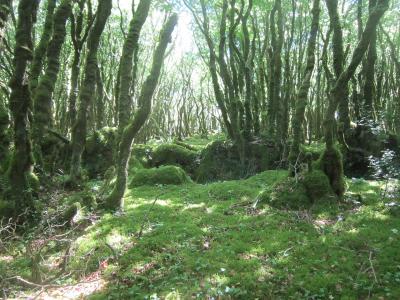
Located in the northwest of France, Brittany (Bretagne) is a historic peninsula bordered by the English Channel to the north, the Atlantic Ocean to the west, and the Normandy and Pays de la Loire regions to the east. Its distinctive shape and isolation have preserved a unique culture where the Breton language and Celtic traditions remain vibrant alongside French national identity. The region’s capital, Rennes, serves as its cultural and academic heart, known for its medieval half-timbered houses and lively festivals. Other major hubs include Brest, a historic naval port; Quimper, celebrated for its fine ceramics and cathedral; and Vannes, the gateway to the picturesque Gulf of Morbihan. For seaside glamour, Saint-Malo offers a fascinating walled city built on tidal islands, while Dinan boasts one of France’s best-preserved medieval centers. Brittany’s landscape is as diverse as its culture. The north features the iconic Côte de Granit Rose, where pink granite rocks meet the turquoise sea, while the south offers sandy beaches and the dense, mystical forests of Brocéliande, steeped in Arthurian legend. Nature lovers can hike the GR34 trail along the coast or explore the rugged islands like Belle-Île-en-Mer. Culturally, Brittany is famous for its festivals, such as the Fest-Noz traditional dancing events, and its culinary delights, particularly its world-renowned crêpes, galettes, and fresh seafood like oysters from Cancale. The region is also dotted with hundreds of menhirs and dolmens, remnants of ancient megalithic civilizations. The best time to visit is from May to September when the weather is mild and all attractions are open, though spring offers blooming landscapes and fewer crowds. Winter provides a moody, atmospheric experience for those seeking solitude. Access is easy via Rennes Airport or high-speed TGV trains from Paris (about two hours). Once in Brittany, a rental car is essential for exploring the remote coastal villages and countryside, although regional buses connect major towns effectively.Top Destinations in Brittany
View all 9 destinations
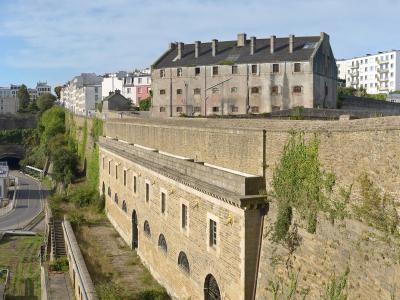
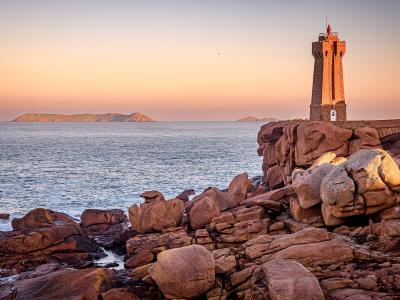
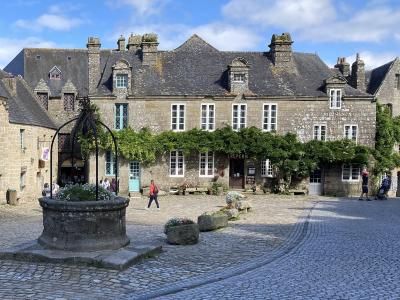
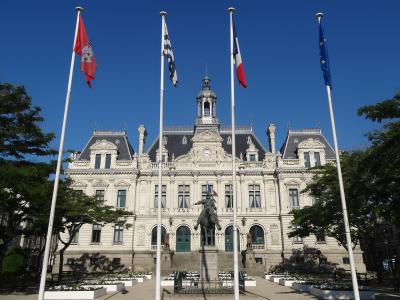
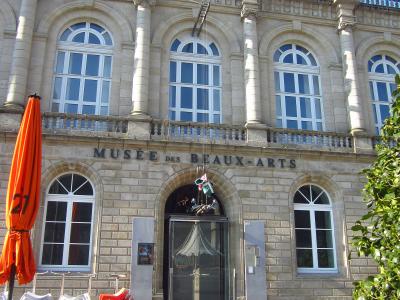
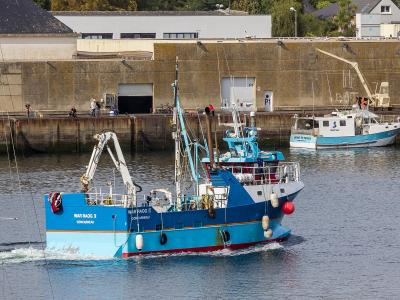
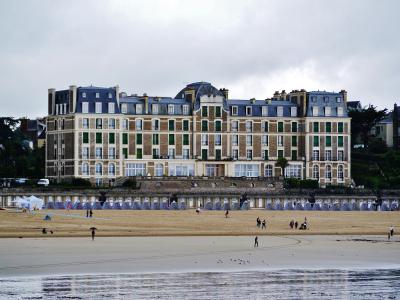
Must-See Attractions
View all 58 attractions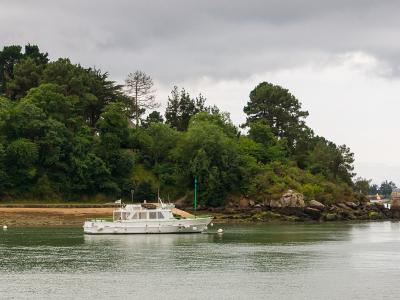
Plan Your Visit to Brittany
Getting There
Brittany is easily accessible by car, bus, or train from major cities in France. The region offers excellent transportation infrastructure for visitors.
Best Time to Visit
The ideal time to visit Brittany depends on your interests. Summer offers warm weather and festivals, while spring and autumn provide pleasant temperatures for sightseeing.
Suggested Duration
We recommend spending at least 3-5 days exploring Brittany to experience its main attractions, local cuisine, and cultural highlights.
Suggested Itineraries
Explore Other Regions
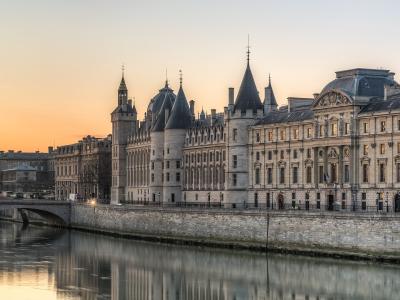
Île-de-France
The beating heart of France, where world-renowned history, high culture, and serene rural landscapes...
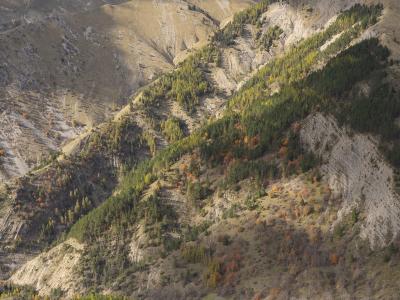
Provence-Alpes-Côte d'Azur
Where sun-drenched lavender fields meet the azure Mediterranean and majestic Alpine peaks.
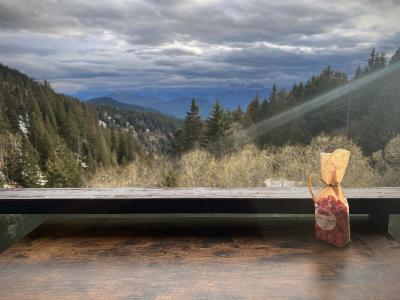
Rhône-Alpes
Where the majestic Alps meet the historic elegance of Lyon, offering a perfect blend of mountain adv...
Quick Facts
Book your stay
Ready to Explore Brittany?
Start planning your adventure to one of France's most captivating regions