







- Where
- Blois, Centre-Val de Loire
- Directions
- Directions
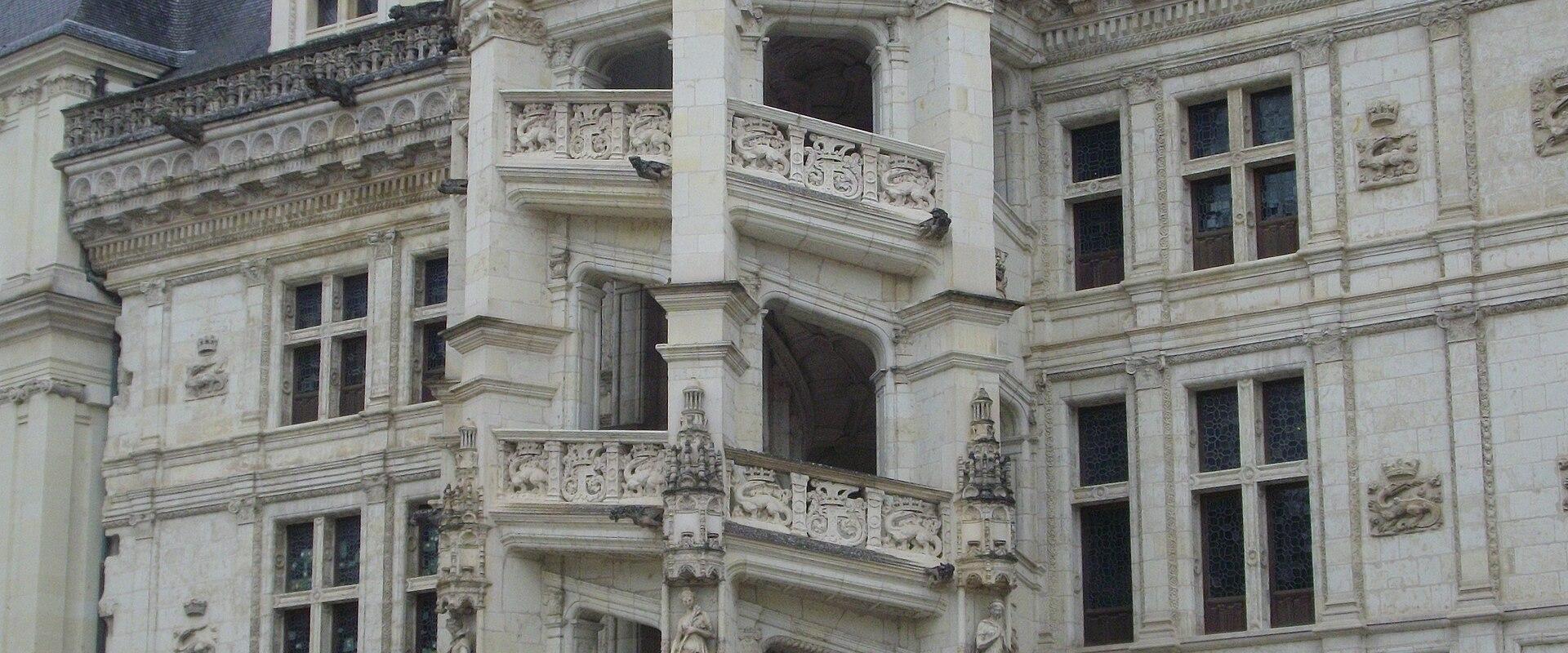
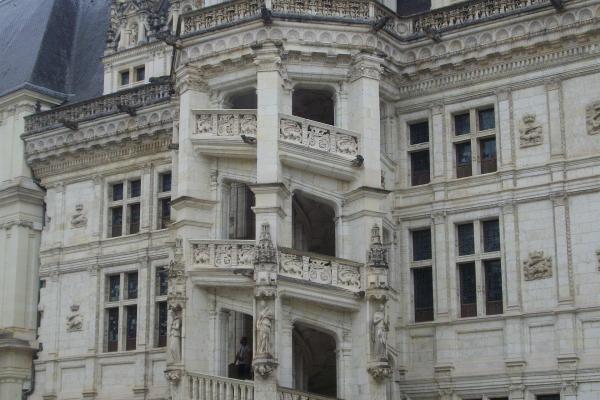
The Château de Blois is the place where French architecture can be read like a book, because four different periods stand around a single courtyard and each wing speaks in its own language. The oldest part is the thirteenth-century Salle des États généraux, a vast Gothic hall with a double nave and timber ceiling, where the assembled estates of the kingdom met in the sixteenth century. Next comes the Louis XII wing, built in brick and pale stone around 1500, with a gallery, carved porcupines for the king's emblem and late Gothic details. Across the courtyard, the François I wing is pure early Renaissance, and the open spiral staircase on its facade, a showpiece of balconies and carved salamanders, is the image most people remember. The last major wing, by the architect François Mansart for Gaston d'Orléans, is classical in style, with clean lines and a calm order that contrasts with the earlier carving.
Blois was a royal residence for decades, and the château was at the centre of events that shaped French history. In December 1588, during the Wars of Religion, King Henri III had his rival Henri, Duke of Guise, murdered in the royal apartments, and the rooms where this took place can be visited. Catherine de Médicis died in the château a few weeks later. In 1619, her daughter-in-law Marie de Médicis escaped from confinement in the château by climbing down with a rope, one of the most dramatic episodes of the period. The Tour de Foix, one of the oldest elements, also stands in the complex.
Inside, the rooms have been restored with colourful painted decoration, tapestries and period furniture, so they look as they did when the Renaissance court lived there, rather than as bare stone chambers. The Hall of the States-General is a high point of the interior. Part of the château houses the Musée des Beaux-Arts de Blois, which displays paintings and objects from the collection. The building was among the early monuments to be protected and restored in the nineteenth century, and the work of the architect Félix Duban from the 1840s gave the wings the appearance they have now.
The château stands on a rock above the Loire, and the old town spreads below, with narrow, steep streets leading down toward the river. Nearby, the Cathédrale Saint-Louis de Blois and the Jardin des Plantes de Blois are pleasant additions, and the Maison de la Magie, opposite the château, is a favourite with children. The Mémorial de la France Combattante and the Musée de la Nature de Blois add variety, and the other Loire châteaux are within easy reach.
Allow two to three hours. It suits history lovers, families and anyone who wants to compare architectural styles at a single site. Check current hours, prices and audio-guide options on the official website, since they vary by season.
Categories
More photos coming soon
Nearby Attractions
Other places to visit in Blois
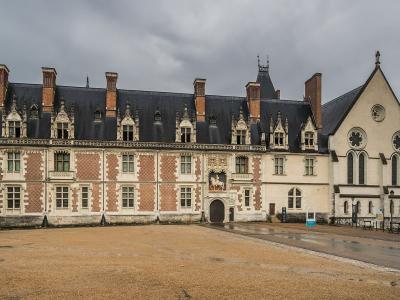
Musée des Beaux-Arts de Blois
Fine arts museum in the Royal Château de Blois
Historic Architecture · Museums & Culture
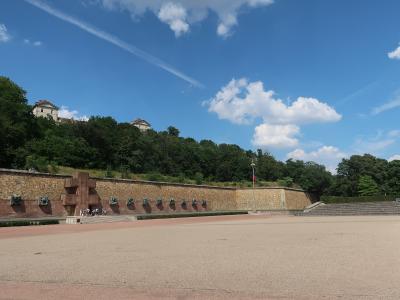
Mémorial de la France Combattante
Memorial honoring French Resistance fighters
Heritage Trails · History Museums

Cinéma Le Rex
Historic cinema in Blois, France
Museums & Culture
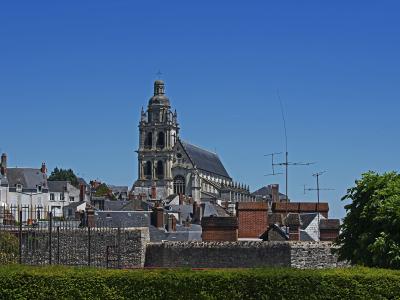
Cathédrale Saint-Louis de Blois
Blois cathedral with 33 contemporary stained-glass windows
Free Historic Architecture · Churches
Questions people ask
Quick Facts
Best Time to Visit
May to June and September to October offer mild weather and fewer crowds for optimal exploration.