







Saint-Malo
The walled corsair city of Brittany's Emerald Coast, ringed by beaches and tidal islands
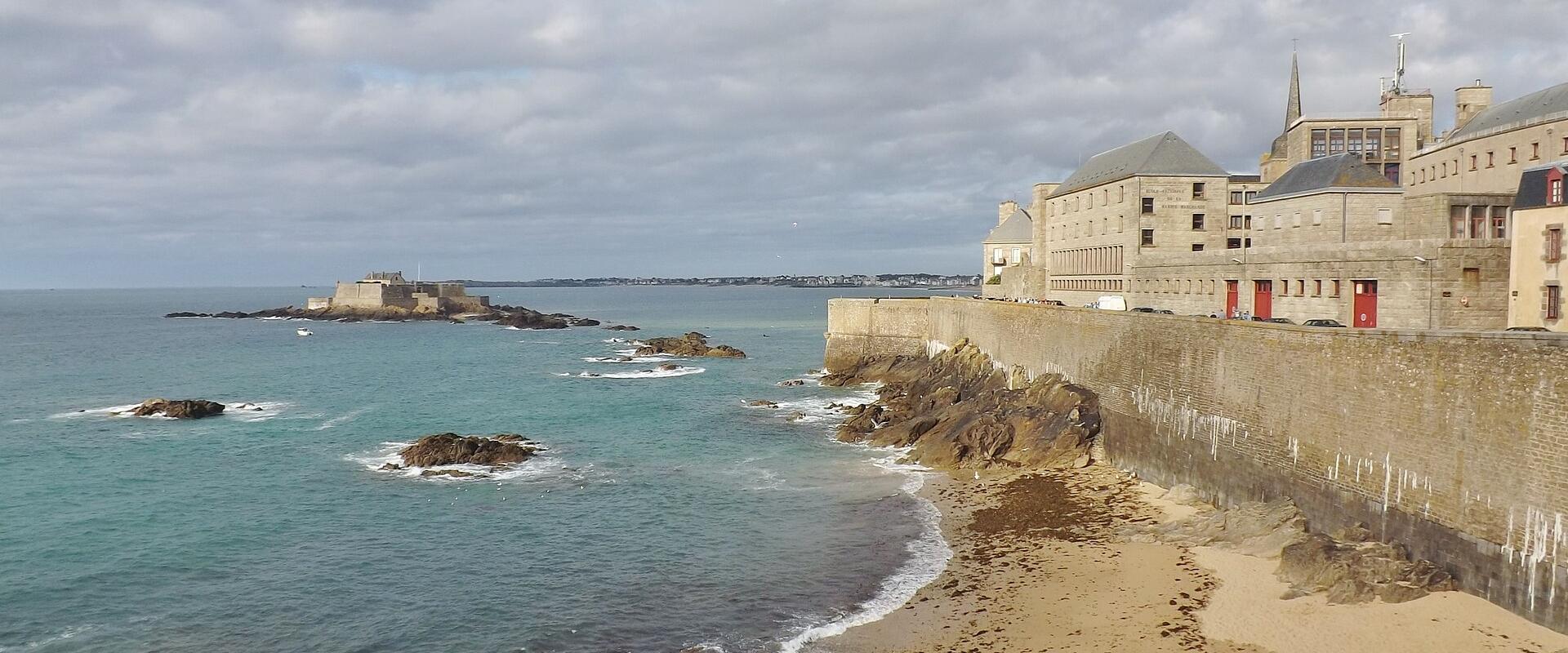
Saint-Malo occupies a rocky former island at the mouth of the Rance, on the Ille-et-Vilaine coast of northern Brittany. The walled city sits at the tip of the peninsula, joined to the districts of Saint-Servan and Paramé, which together make up the modern town. Around it, the sea dominates everything: the tidal range here is among the largest in Europe, so beaches stretch far out at low tide and the water reaches the foot of the walls at high tide, sometimes sending spray over the promenade during the big equinox tides.
The town takes its name from Maclou, or Malo, a Welsh monk who came to evangelise the area in the 6th century. In the Middle Ages the bishopric moved to the island, and the city developed a fiercely independent spirit, even declaring itself a republic for a few years at the end of the 16th century under the motto attributed to its people, 'Malouins first, Bretons perhaps, French if there is any left.' Its prosperity came from cod fishing off Newfoundland, long-distance trade with the Americas and the Indies, and privateering. Corsairs such as René Duguay-Trouin and Robert Surcouf captured hundreds of enemy ships under royal letters of marque, and the shipowners built grand granite mansions, the malouinières, in and around the city.
Jacques Cartier, born in Saint-Malo in 1491, sailed from here on the voyages that took him to the Gulf of Saint Lawrence in 1534, and he is commemorated across the city. François-René de Chateaubriand, one of the founders of French Romanticism, was born in the walled town in 1768 and chose to be buried facing the sea on the islet of Grand Bé, where his simple tomb can be visited at low tide.
In August 1944, during the battle to dislodge the German garrison, most of the intra-muros was destroyed by fire and bombardment. The reconstruction that followed restored the ramparts, the cathedral and many of the tall granite houses in their former style, so that the walled city today looks remarkably old despite being largely rebuilt. A walk along the ramparts, which are open and free, is the best introduction: from the walls you see the beaches, the Fort National, Grand Bé and Petit Bé, the Dinard shore and the harbour.
Inside the walls, the Cathedral of Saint-Vincent rises above the rebuilt streets, with its modern stained glass and the tomb of Jacques Cartier. The castle at the Porte Saint-Vincent houses the town hall and the city history museum, and the narrow streets are full of creperies, seafood restaurants, bakeries selling kouign-amann and shops. Just off the walls, the Plage de Bon-Secours has a tidal seawater pool with a diving board, and the long Plage du Sillon runs east towards Paramé, lined by wooden breakwaters planted to protect it from the waves.
At low tide two forts become accessible on foot. The Fort National, built in the late 17th century to plans by Vauban's engineers to protect the port, can be visited at certain times, and the islet of Grand Bé, with Chateaubriand's tomb, is reached across the sand from the Plage de Bon-Secours. Always check the tide times before crossing, as the causeways disappear quickly when the sea returns. Further afield, the Tour Solidor in Saint-Servan and the Grand Aquarium in the La Madeleine district make good rainy-day options.
Saint-Malo is linked to Paris by high-speed train and to Rennes by road and rail, and ferries sail from the port to Portsmouth and the Channel Islands. A small passenger boat crosses to Dinard in a few minutes, the Rance estuary and the walled town of Dinan lie inland, and the Pointe du Grouin, Cancale with its oysters and Mont-Saint-Michel are all within a short drive along the coast.
Best time to visit
June to September for beaches and long evenings on the ramparts; spring and autumn equinox tides are the most spectacular, and the walled city is calmer outside the summer holidays.
What to see in Saint-Malo
Our picks first.
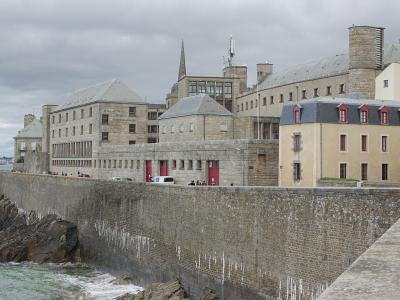
Ramparts of Saint-Malo (Intra-Muros)
Walk the granite walls around Saint-Malo's corsair city
Free Coastal & Maritime · Historic Architecture
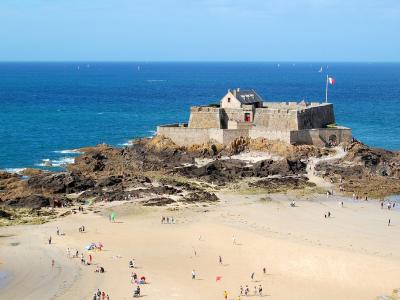
Fort National
Vauban-era sea fort reached across the sand at low tide
Coastal & Maritime · Historic Architecture
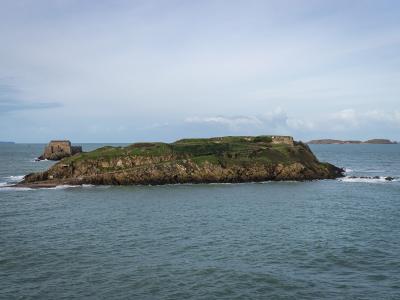
Grand Bé
Tidal islet with the tomb of Chateaubriand
Free Coastal & Maritime · Heritage Trails
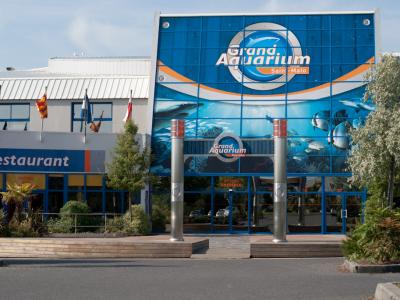
Grand Aquarium Saint-Malo
Marine life from Breton waters to tropical seas
Museums & Culture · Nature & Parks
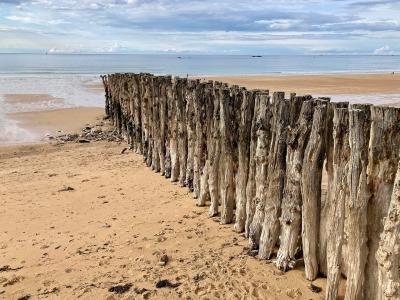
Plage du Sillon
Saint-Malo's long sandy beach with its famous wooden breakwaters
Free Beaches · Coastal Promenades
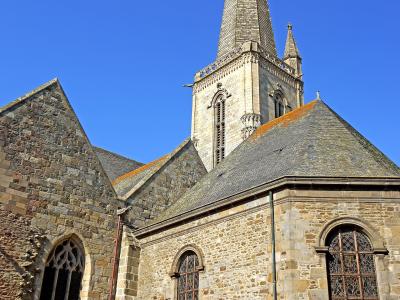
Cathédrale Saint-Vincent de Saint-Malo
The rebuilt cathedral at the heart of the walled city
Free Churches · Historic Towns
Saint-Malo by interest
The same sights, grouped by what you came for.
Planning a visit to Saint-Malo
Good to know
- Currency
- EUR
- Language
- French
Quick Facts
Book your stay
Questions people ask
More places in Brittany
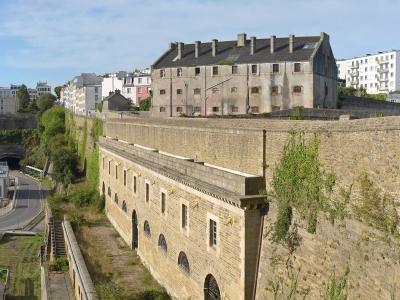
Brittany
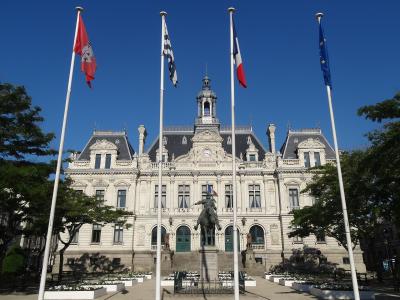
Brest
Atlantic port city with maritime museums and modern architecture
Brittany
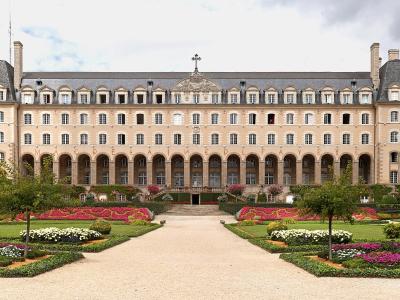
Vannes
Medieval walled city in Brittany with half-timbered houses
Brittany
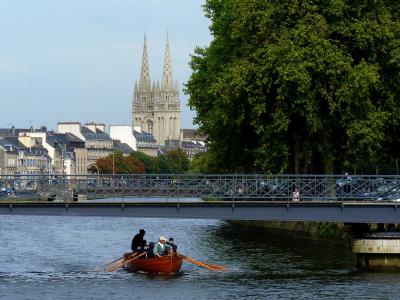
Rennes
Capital of Brittany with medieval center and vibrant student life
Brittany
Quimper
Historic capital of Finistère with cathedral and faience pottery