







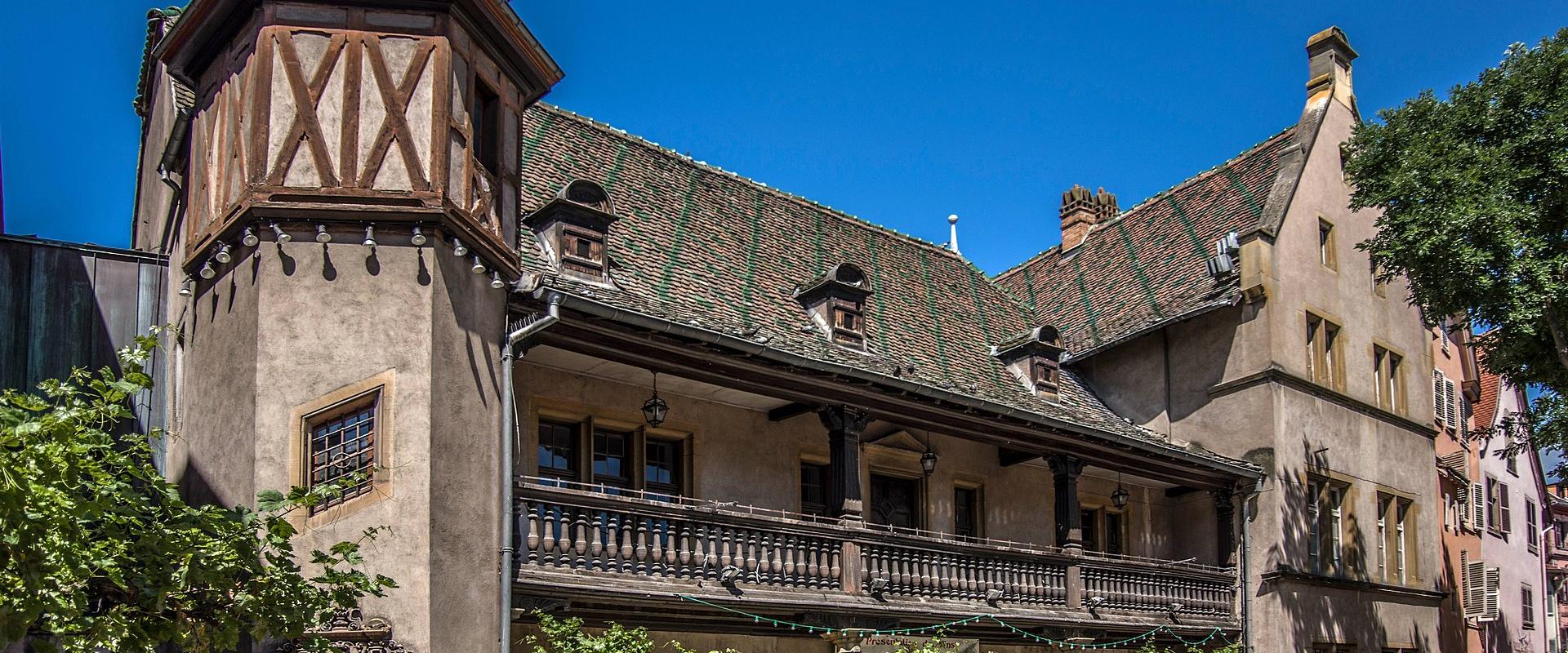
Colmar, situated in the Haut-Rhin department of the Grand Est region, is a town of significant historical and cultural importance. Historically, it was a free imperial city of the Holy Roman Empire, which allowed it to flourish as a centre of trade and culture during the Middle Ages and the Renaissance. This period of prosperity is reflected in the town's architecture, with many buildings dating back to the 15th and 16th centuries. The town's location on the border between France and Germany has resulted in a unique cultural identity, blending French and German traditions, with the town passing to France in the 17th century, to Germany between 1871 and 1918, and again to France after World War I. This heritage is visible in the architecture, language and cuisine of the town.
The main attractions in Colmar revolve around its historic old town and artistic heritage. The Little Venice (La Petite Venise) district is the most iconic area, characterized by colorful half-timbered houses lining the Lauch River. Visitors can take boat tours through the canals to appreciate the scenery from the water. The Unterlinden Museum, in a former Dominican convent, is a major cultural landmark, housing the Isenheim Altarpiece by Matthias Grünewald, a masterpiece of German Renaissance art. The museum also features a collection of archaeological finds and decorative arts. The Maison Pfister, a Renaissance mansion built in 1537 with intricate stone carvings, is another notable site. The Covered Market (Halles Couvertes), or Marché Couvert, offers a variety of local products, including Alsatian cheeses, wines and specialties. The town also boasts several churches, including the Collégiale Saint-Martin, a Gothic collegiate church in the centre, and the Église des Dominicains, which features stained-glass windows and Martin Schongauer's Virgin of the Rose Bush. The House of the Tanners (Maison des Tanneurs) and the Jardin des Tanneurs are in the Tanners' quarter, where the old drying lofts of tanners remain.
Colmar is a hub for wine tourism, being a key stop on the Alsace Wine Route. The surrounding region is famous for its white wines, such as Riesling, Gewürztraminer and Pinot Gris. Visitors can take guided tours of local wineries, taste wines and learn about the winemaking process. The town also offers various cultural activities, including art galleries, theaters and festivals. The Colmar Christmas Market is one of the most famous in Europe, attracting visitors from around the world, and in recent years the town has also been known for its wine fair in August. The surrounding countryside offers opportunities for hiking and cycling, with scenic routes through vineyards and forests. The nearby villages of Eguisheim and Riquewihr are also popular destinations for their picturesque settings and wine cellars.
Getting to Colmar is convenient via train, with regular services from Strasbourg and other major cities in the region. The train station is located close to the city centre, making it easily accessible, and the airport at Basel-Mulhouse is the closest large airport. For those traveling by car, Colmar is connected by the A35 motorway. The best time to visit is from mid-June to mid-September, when the weather is warm and pleasant, ideal for exploring the outdoor attractions and wine routes. July and August are the warmest months, with average highs around 25°C, but also the busiest. Spring and autumn offer milder weather and fewer crowds, making them suitable for sightseeing and wine tasting. Autumn is particularly popular for wine lovers due to the harvest season. Winter is cooler and quieter, but the town's Christmas markets offer a magical atmosphere.
Best time to visit
Mid-June to mid-September offers warm weather and ideal conditions for outdoor activities and wine tasting.
What to see in Colmar
Our picks first.
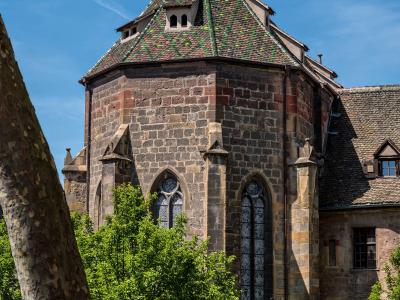
Unterlinden Museum
Former convent housing the Isenheim Altarpiece
From €6 Historic Architecture · Museums & Culture
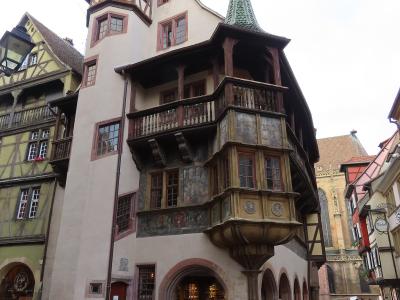
Pfister House
1537 timber-framed house with painted façade
Historic Architecture · Museums & Culture
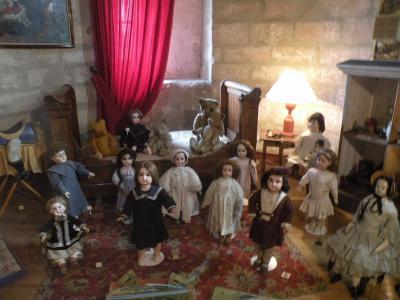
Musée du Jouet
Toy museum in a former cinema in Colmar
Museums & Culture
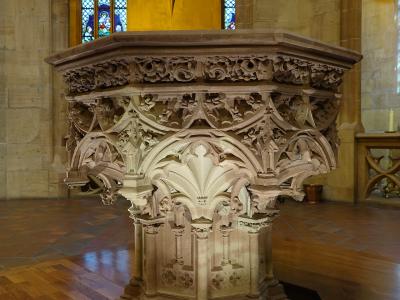
Collégiale Saint-Martin
14th-century Gothic church with stained glass
Free Historic Architecture · Museums & Culture
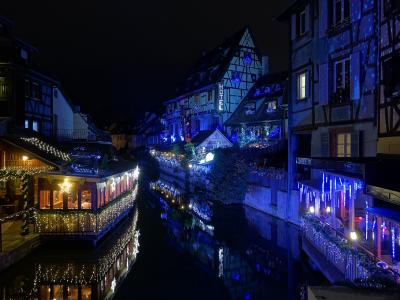
Little Venice (La Petite Venise)
Medieval half-timbered houses along the Lauch river
Historic Towns · Rivers & Lakes
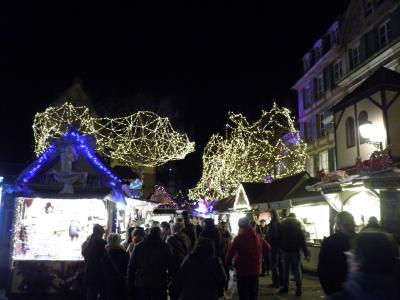
Colmar Market (Marché de Colmar)
Historic centre filled with wooden chalets
Free Food & Wine · Urban Exploration
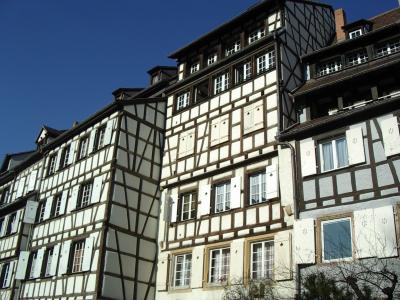
House of the Tanners (Maison des Tanneurs)
16th-century timbered houses in Colmar's historic center
Free Food & Wine · Guided Experiences
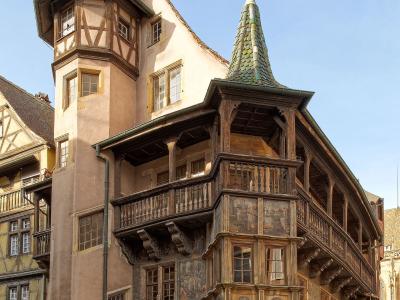
Maison Pfister
16th-century Renaissance house in Colmar
Free Architectural Landmarks · Historic Towns
Colmar by interest
The same sights, grouped by what you came for.
Did you know?
Checked facts about Colmar, each with its source.
-
History
Colmar Preserves Medieval Heritage
Colmar, located in the Haut-Rhin department of the Grand Est region, is a picturesque town in northeastern France renowned for its well-preserved medieval and Renaissance architecture.
Source: Colmar - Wikipedia -
Notable Person
The Statue of Liberty's Creator Was Born in Colmar
Frédéric-Auguste Bartholdi, the sculptor who created the Statue of Liberty, was born in Colmar on August 2, 1834. The house where he was born, at 30 rue des Marchands, is now the Musée Bartholdi, displaying models, drawings, and studies from his career, including his work on Lady Liberty. Though his family moved to Paris in 1843, they kept the house and returned every summer -- and today it's a surprising American connection hiding in the middle of this fairytale Alsatian old town.
Source: Musée Bartholdi (official biography)
Planning a visit to Colmar
Good to know
- Currency
- EUR
- Language
- French
Quick Facts
Book your stay
Questions people ask
More places in Alsace
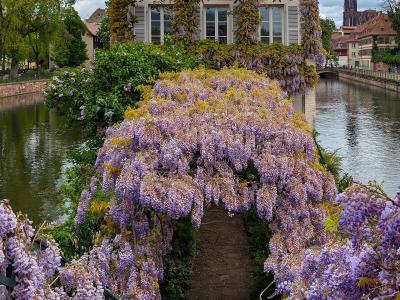
Alsace
Strasbourg
European capital with Gothic cathedral and half-timbered houses
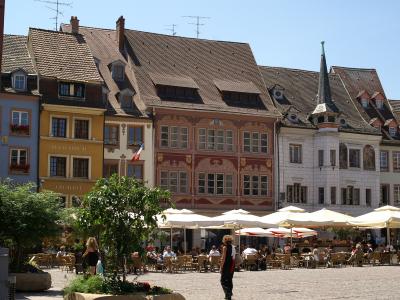
Alsace
Mulhouse
Industrial heritage city with world-class automotive and railway museums
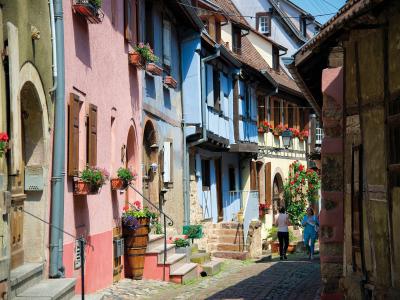
Alsace
Riquewihr
Medieval walled village on the Alsace Wine Route with Dolder tower
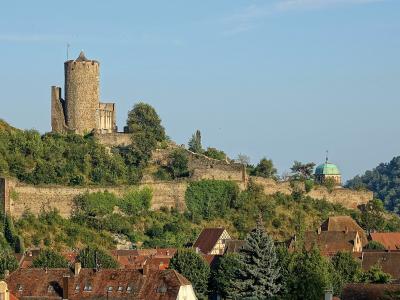
Alsace
Kaysersberg
Medieval village on the Alsace Wine Route