







- Admission
- Free of charge
- Hours
- Six days a week throughout the year
- Where
- Strasbourg, Alsace
- Directions
- Directions
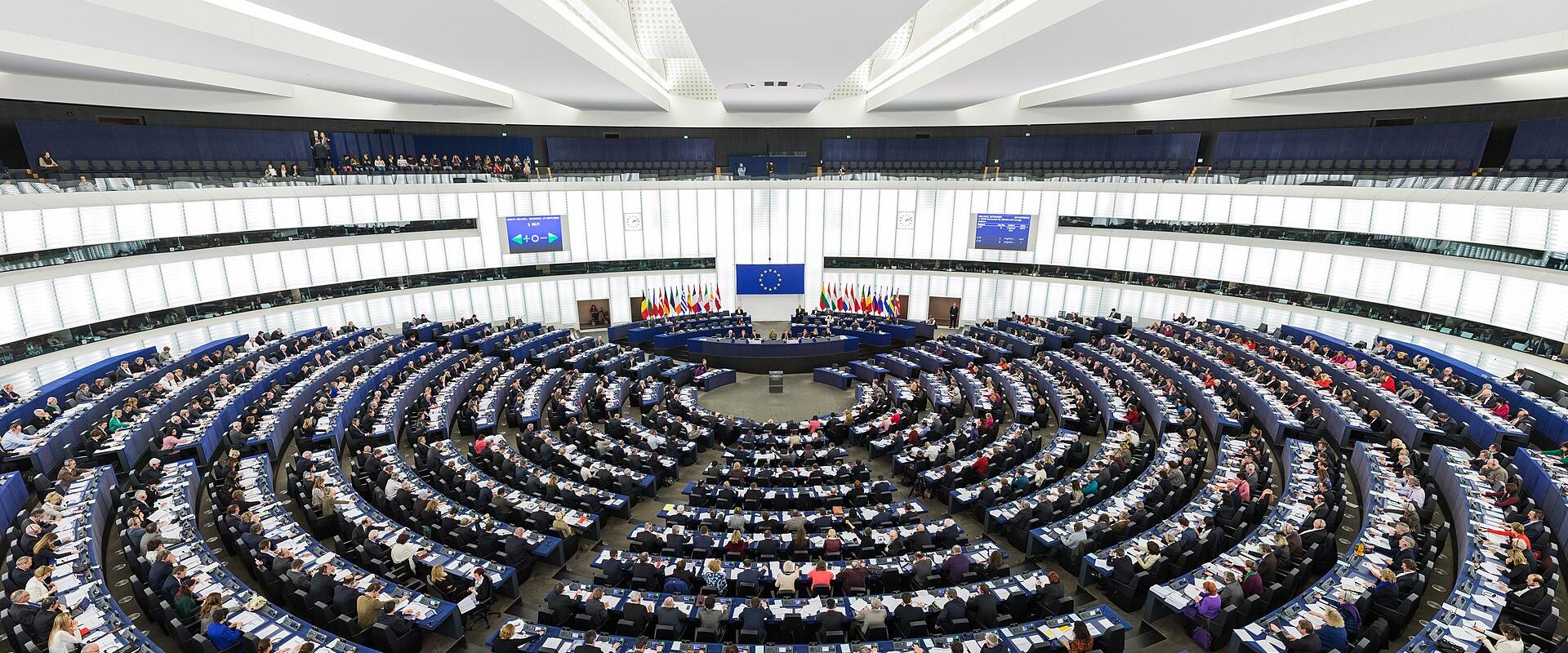
The European Parliament has its official seat in Strasbourg, and the monumental glass complex on the edge of the city, beside the river Ill, is where the members of the Parliament meet for their monthly sessions. The choice of Strasbourg reflects history. The city, which has changed hands between France and Germany several times, was chosen after the Second World War as a symbol of reconciliation, and the Council of Europe settled here in 1949, with its Palais de l'Europe and the European Court of Human Rights following. The European Parliament, which began as the Common Assembly of the Coal and Steel Community in the 1950s, met in Strasbourg from the start, and the treaties still provide that its plenary sessions must be held here. Committee meetings and much of the administration take place in Brussels, and a small part of the staff works in Luxembourg.
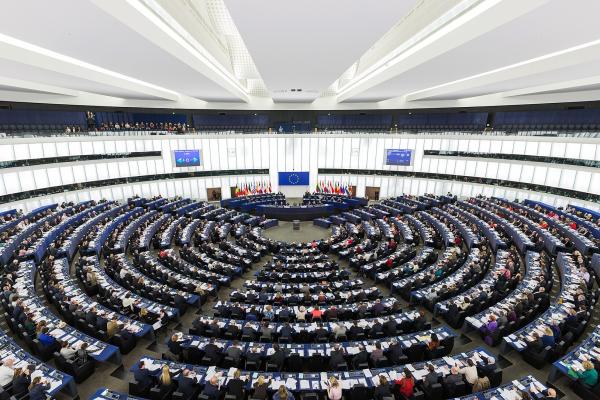
The main building is named after Louise Weiss, a French writer, journalist and campaigner for women's rights and for European unity, who was among the first women elected to the Parliament. It was completed in 1999 by the firm Architecture Studio and has a curved glass front and a tall tower, and the contrast between its style and the half-timbered houses of the old town is striking. The central element is the Hemicycle, the semicircular debating chamber, which has seats for more than seven hundred members, with interpretation booths that allow the proceedings to be followed in the many official languages of the Union. Visitors can attend plenary sessions from the public gallery when the members of the European Parliament meet, which happens twelve times a year, usually for four days each month, and they can also take free guided tours at other times.
The visitor experience includes the Hemicycle, when it is not in session, as well as exhibitions and the Parlamentarium Simone Veil, an interactive centre that explains the working of the Parliament and the history of European integration, named for the French politician and Holocaust survivor who was the first president of the elected Parliament. Information is available in many languages. Admission is free, and the visit is open on six days a week through the year. Because the building is a secure site, visitors must bring a valid identity document such as a passport or an identity card, and they pass through a security check, so it is advisable to book in advance on the official website and arrive early. In the warmer months the terrace of one of the towers, accessible to people with reduced mobility, is open for views over Strasbourg and the Rhine plain, subject to weather and visitor numbers.
The visit takes about an hour or two. The Parliament is a short tram ride from the centre, and the Orangerie park, a pleasant place for a walk, is nearby. In the city, the Cathédrale Notre-Dame, the Petite France quarter, the Ponts Couverts and the Palais Rohan are the main sights, and the Marché de Noël fills the squares in December. The visit suits anyone interested in politics, history and the European project.
Categories
More photos coming soon
Hours & Fees
- Open
- Six days a week throughout the year
- Admission
- Free of charge
Hours and prices change, especially out of season. Check with the venue before you go.
Nearby Attractions
Other places to visit in Strasbourg
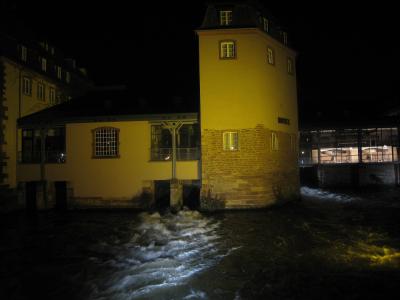
Petite France
Historic district with canals and timbered houses
Free Guided Experiences · Historic Architecture
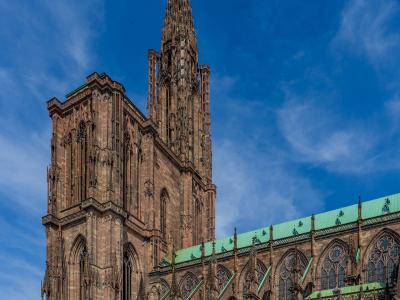
Cathédrale Notre-Dame de Strasbourg
Gothic cathedral with Renaissance astronomical clock
Free Historic Architecture · Churches
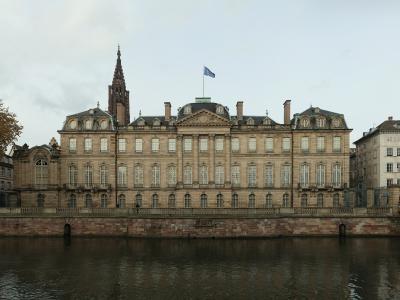
Palais Rohan
Baroque palace housing three museums
From €3.50 Historic Architecture · Museums & Culture
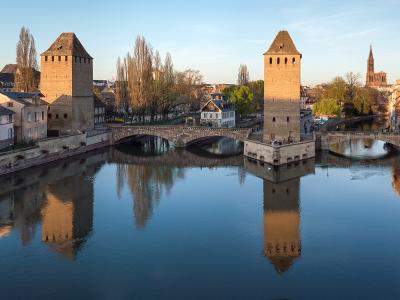
Ponts Couverts
Historic 13th-century bridge with defensive towers
Free Bridges · History Museums
Questions people ask
Quick Facts
Best Time to Visit
May to June and September to October offer mild weather and ideal conditions for outdoor activities and sightseeing.