







- Where
- Grasse, Provence-Alpes-Côte d'Azur
- Directions
- Directions
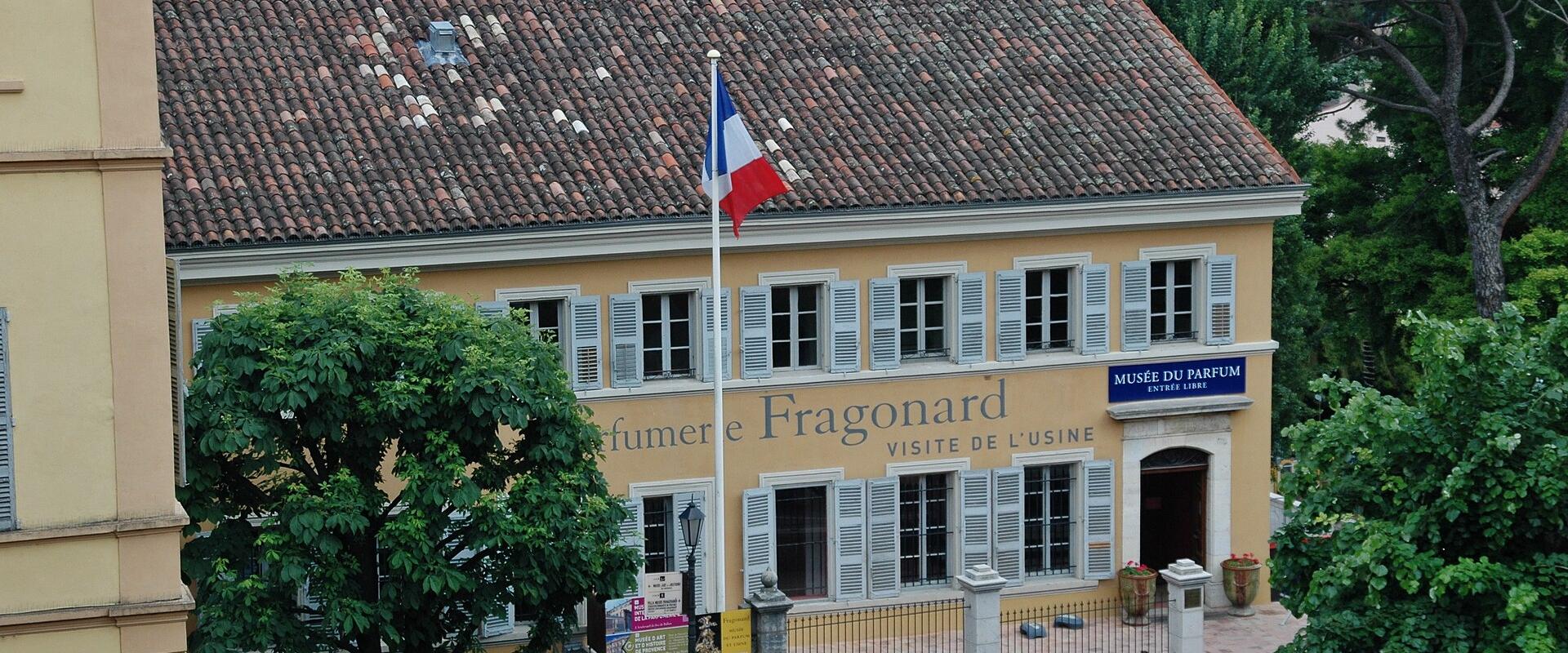
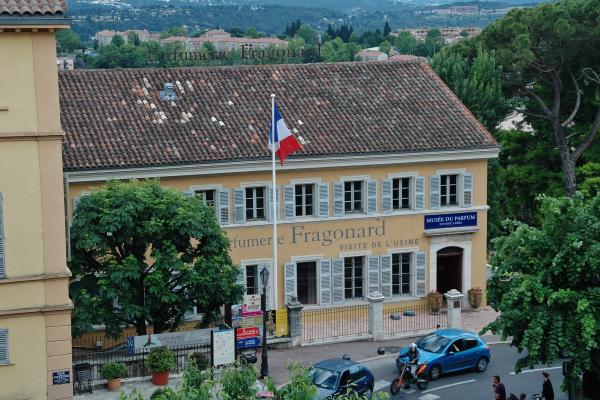
Grasse, in the hills behind Cannes, is the historic capital of perfume, and the former Fragonard factory in the town gives a good introduction to how its fragrances were made. The building is now known as the Usine Historique Fragonard, the Fragonard Historical Factory. It occupies a former tannery, a reminder of how Grasse's perfume industry began, and it was converted into a perfume factory in 1926 by Eugène Fuchs, who named the firm Fragonard after the painter Jean-Honoré Fragonard, born in Grasse in 1732.
The link between tanning and perfume is the key to the town's history. In the sixteenth century, Grasse was a leading centre for tanning leather, but the smell of the process was unpleasant, and the glove makers began to scent their gloves with local flowers. Catherine de Medici helped to make scented gloves fashionable at the French court, and by the eighteenth century the perfume trade had overtaken the tanneries. The surrounding hills provided the raw materials: jasmine, rose centifolia, tuberose, lavender and orange blossom, grown in terraced fields. The traditions of the area, including the cultivation of flowers, the extraction of aromas and the art of composing perfume, were inscribed by UNESCO in 2018 on the list of intangible cultural heritage.
The museum shows the history of perfume from antiquity to the present, with objects that include Egyptian cosmetic spoons, medieval pomanders, bottles, and paintings of the rituals of grooming. The most interesting section for many visitors concerns the production methods. Steam distillation, in which plant material is heated and the vapour collected, is explained with a set of copper stills. Enfleurage, an older method used for delicate flowers such as jasmine, is shown in two forms: cold enfleurage, in which petals were laid on glass frames coated with fat that absorbed their scent, and a hot version in which the flowers were steeped in warm fat. These techniques were used until the middle of the twentieth century, when solvent extraction replaced them.
The factory welcomes visitors for a guided tour, usually free, ending in a boutique where products are sold. Hours change with the season. Allow an hour.
It suits anyone curious about perfume, families, and those who want to understand why Grasse is famous. The Musée International de la Parfumerie, the Jardin des Parfums et des Plantes and the Église Notre-Dame-du-Puy are all in the town centre.
Categories
More photos coming soon
Nearby Attractions
Other places to visit in Grasse
Parc de la Paix
Historic park in Grasse, the world perfume capital
Nature & Parks · Urban Exploration
Fragonard Perfumery
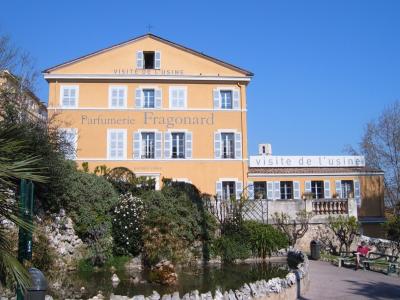
18th-century tannery with free guided tours
Free Guided Experiences · Historic Architecture
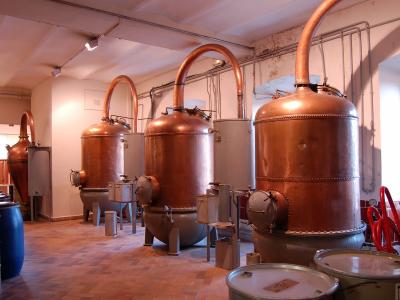
Musée du Parfum Fragonard
Grasse's first perfume museum in a historic factory
Free Museums & Culture
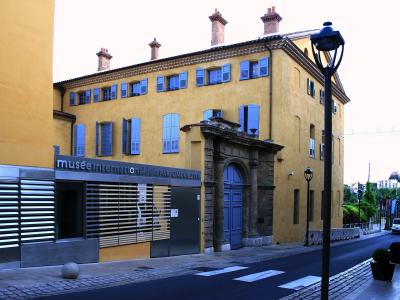
Musée International de la Parfumerie
World's only public perfume heritage museum
Historic Architecture · Museums & Culture
Questions people ask
Quick Facts
Best Time to Visit
Early July to mid-August offers warm weather and ideal conditions for outdoor activities and sightseeing.