

Seasonal Climate Overview
France features distinct regional climates. The Mediterranean south offers warm summers. Continental interiors endure hot summers and cold winters. Atlantic coasts remain mild but damp year-round. Spring (March–May) serves as the optimal travel window. Temperatures are mild across most regions. Crowds remain manageable compared to peak season. This period suits multi-region tours effectively. Summer (June–August) marks the high season. Temperatures often rise significantly, especially in August. Paris and southern areas experience heatwaves. Tourist density peaks, causing long attraction queues. Winter (December–February) brings cold and precipitation. Rural hotels and restaurants may close. Snowfall occurs in the Alps for skiing. Paris remains active for indoor cultural experiences. Autumn (September–November) mirrors spring’s advantages. September is ideal for the South of France. Temperatures stay comfortable. Crowds diminish after August. Shoulder seasons provide the best balance. They avoid extreme weather and dense tourism. Timing matters for a comfortable visit.
Spring: Mild Days and Blooming Landscapes
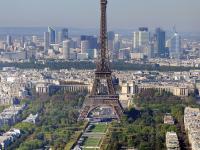
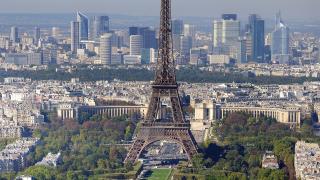
Spring offers the optimal window for multi-region tours in France. The months of April through June provide mild temperatures across diverse landscapes. This period avoids the intense heat and peak crowds of summer. You will encounter significantly shorter queues at major attractions during these weeks. The atmosphere feels revitalized as gardens bloom and rural areas awaken. Paris and Île-de-France become energizing hubs for outdoor activities. Walking along the Seine is particularly pleasant in this season. However, travelers must anticipate potential rain showers throughout the spring months. These conditions require flexible packing and planning strategies. Rural exploration is highly recommended during this timeframe. Small villages and countryside roads are accessible and quiet. Yet, you must verify local business schedules carefully. Many rural hotels and restaurants close in early spring. Checking opening hours before travel prevents logistical issues. This season balances comfort with accessibility for thorough exploration. It serves as a practical alternative to the busy summer high season. Visitors gain better access to both urban centers and remote regions. The weather supports extended sightseeing without extreme physical strain. This makes it ideal for comprehensive national itineraries. Planning around these specific seasonal advantages ensures a smoother trip. You avoid the logistical bottlenecks typical of peak travel months. The combination of mild weather and lower density defines this period. It represents the most efficient time for comprehensive French travel. Prioritizing these months maximizes both comfort and cultural access. The blooming landscapes provide a scenic backdrop for any itinerary. This season effectively bridges the gap between winter and summer travel. It offers a balanced approach to exploring the country. Travelers benefit from clear skies and comfortable walking conditions. The reduced crowd levels allow for a more relaxed pace. This season supports both active exploration and leisurely observation. It is the recommended choice for first-time visitors seeking breadth. The mild climate accommodates various outdoor activities comfortably. Spring provides a reliable foundation for a successful French journey. The seasonal shift brings renewed energy to public spaces. This makes it a strategically sound choice for travelers. The combination of factors creates an ideal travel environment. It balances weather, crowds, and accessibility effectively. This period stands out as the premier travel window. It offers the best overall value for time and money. The mild days allow for extended outdoor exploration. The blooming landscapes enhance the visual appeal of any route. This season supports a comprehensive and enjoyable travel experience. It is the definitive choice for many travelers. The benefits outweigh the minor risks of occasional rain. This makes spring the most practical season for France. It offers a balanced and rewarding travel experience. The mild weather and lower crowds define this period. It is the optimal time for multi-region tours. This season provides the best conditions for exploration. It balances comfort, accessibility, and scenic beauty effectively. The mild days and blooming landscapes define this period. It is the recommended time for comprehensive travel. This season offers the best overall value for visitors. It provides a balanced and enjoyable French experience. The mild weather and lower crowds make it ideal. It is the most practical choice for travelers. This period supports both urban and rural exploration. It offers a comprehensive view of the country. The mild days and blooming landscapes enhance any itinerary. It is the best time for first-time visitors. This season provides the most balanced travel experience. It is the recommended choice for most travelers. The mild weather and lower crowds define this period. It is the optimal time for multi-region tours. This season offers the best conditions for exploration. It balances comfort, accessibility, and scenic beauty effectively. The mild days and blooming landscapes define this period. It is the recommended time for comprehensive travel. This season provides the best overall value for visitors. It offers a balanced and enjoyable French experience. The mild weather and lower crowds make it ideal. It is the most practical choice for travelers. This period supports both urban and rural exploration. It offers a comprehensive view of the country. The mild days and blooming landscapes enhance any itinerary. It is the best time for first-time visitors. This season provides the most balanced travel experience. It is the recommended choice for most travelers.
Summer: Peak Heat and High Season Crowds
June through August marks France’s high season. Tourist numbers peak during these months. Major attractions experience long queues. Paris and coastal regions see the highest density. Temperatures often rise significantly. Heatwaves are common, particularly in inland areas. Days are long, allowing for extended sightseeing. This period suits beach holidays and coastal trips. The Mediterranean south offers ideal swimming conditions. Outdoor festivals thrive in the warm weather. However, August presents specific logistical challenges. Many locals take extended leave, known as 'les vacances'. Small villages and rural restaurants may close entirely. Paris remains open but feels crowded. Book accommodations and transport well in advance. Expect higher prices for hotels and flights. Prepare for intense heat in cities. Carry water and seek shade during midday. Southern regions are best for beach activities. Northern areas remain pleasant but less crowded. Plan itineraries around opening hours. Verify business status before traveling. Avoid peak queue times at museums. Early morning visits offer better experiences. Summer requires careful planning and flexibility. Prioritize indoor activities during heatwaves. Respect local customs and closing times. Enjoy the vibrant atmosphere responsibly.
Autumn: Harvest Seasons and Comfortable Temperatures
September and October define France’s autumn travel window. Temperatures remain mild and comfortable for outdoor activities. Crowds decrease significantly after the summer peak. This reduction allows for easier access to major sites. The period is ideal for wine harvests in Bordeaux and Burgundy. Vineyards become active centers of local culture and commerce. Hiking trails in the Alps and Pyrenees offer clear skies. Rain potential increases in late October, particularly in the north. Travelers should verify opening hours for rural hotels. Many small establishments close for the winter season. Cultural tourism thrives as museums regain steady attendance. Photography opportunities improve with softer, golden natural light. Paris remains a year-round destination with energizing autumn walks. The Seine banks provide pleasant conditions for strolling. Avoid late autumn if seeking full rural service. Check specific regional closures before booking accommodations. This season balances pleasant weather with manageable tourist density. It suits travelers prioritizing comfort over peak summer heat. Harvest events provide authentic local experiences away from crowds. Plan visits to vineyards during active picking periods. This timing ensures vibrant atmospheres and fresh local produce. Autumn offers a practical balance for multi-region tours.
Winter: Snow, Festivities, and Indoor Culture
December through February defines France’s winter travel window. Temperatures drop significantly, bringing cold conditions and potential snowfall. Daylight hours remain short, limiting outdoor exploration time. Crowds disperse in major cities like Paris. However, ski resorts in the Alps see high density during holidays. This season suits travelers seeking skiing or festive markets. Paris offers ideal indoor cultural experiences during cooler months. Museums provide shelter from wet and chilly weather. Rural areas may experience closures for hotels and restaurants. Travelers must book holiday accommodations well in advance. New Year celebrations in Paris mark a key event. Prepare for cold weather with appropriate clothing. Check local schedules for rural business operations. Winter travel requires flexibility and early planning. The Alps provide reliable snow for winter sports. Indoor museums offer rich cultural engagement without weather risks. Avoid assuming rural services remain open year-round. Verify opening hours before visiting smaller towns. This season balances festive energy with quieter city streets.
Regional Variations and Travel Logistics
France’s climate varies significantly by region. The Mediterranean south offers warm summers. Alpine areas require winter snow for skiing. Northern regions face cooler, wetter conditions year-round. Seasonal shifts directly impact travel logistics. Summer brings peak crowds and long attraction queues. Winter may close rural hotels and restaurants. Check local holiday dates before booking. Avoid small villages in Southern France during peak summer. Spring remains ideal for multi-region tours. Temperatures stay mild across diverse landscapes. Paris suits indoor museum visits in winter. Summer heat intensifies in August. Plan transportation around regional weather patterns. Alpine roads may require snow chains in winter. Southern coastal routes remain accessible year-round. Tailor itineraries to specific regional activities. Skiing dominates Alpine winter schedules. Harvest festivals define autumn in wine regions. Spring blooms enhance northern garden visits. Off-peak travel reduces costs and crowds. Verify opening hours for seasonal attractions. Train schedules may adjust for holidays. Book accommodations early for summer peaks. Winter offers fewer tourists but shorter days. Prepare for varied packing needs. Regional differences demand flexible planning. Research local events for accurate timing. Ensure transportation aligns with seasonal conditions. Prioritize indoor options during rainy periods. Enjoy outdoor activities in mild weather. France offers distinct experiences per season.