



Understanding French Gîtes
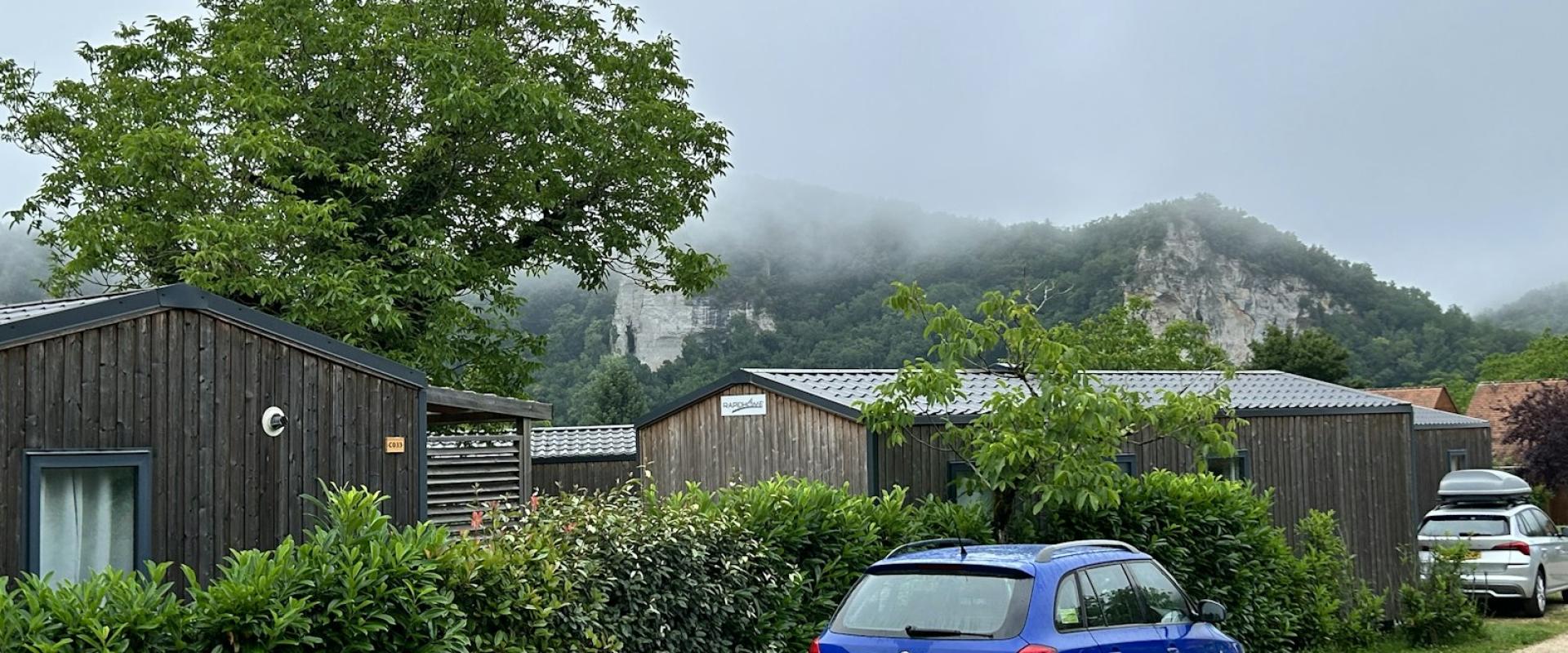
The term 'gîte' denotes a rural holiday rental in France. It implies a self-catering stay in the countryside. The Gîtes de France organization manages a strict classification system. Properties receive one to four stars based on amenities. This system ensures consistent quality for travelers. Self-catering offers significant independence for visitors. You prepare your own meals using local ingredients. This approach supports traditional rural living. Gîtes are prevalent across France’s rural landscapes. They appear in regions like Brittany and Provence. Camping sites often complement these rural stays. Many campsites offer wooden chalets or yurts. These provide a hybrid camping experience. Booking directly with owners is recommended. This practice supports independent French businesses. Some sites accept bookings via major platforms. Facilities typically include basic washing and toilet blocks. The focus remains on simplicity and nature. This model preserves France’s agricultural heritage. Travelers gain authentic access to local life. The experience prioritizes quiet and relaxation. It avoids the commercialization of mass tourism. This structure defines the French rural holiday.
Wild camping is generally prohibited across most of France. You must use designated official campsites to remain legal. The government enforces strict penalties for unauthorized overnight stays. Official sites follow a Star classification system. This rating indicates the quality of facilities provided. Higher stars usually mean more amenities and services. You will find standard campsites in most regions. These sites cater to tents and caravans. Farm stays offer a distinct rural alternative. They often provide direct interaction with local agriculture. Booking directly with owners supports independent businesses. Many small sites do not accept online platforms. You should verify utility availability before arrival. Remote areas may lack reliable electricity or water. Always confirm these details with the host. Infrastructure varies significantly between urban and rural zones. Planning ahead ensures a compliant and comfortable stay. Check local bylaws for specific regional restrictions. Some coastal areas have seasonal camping bans. Respect these rules to protect natural environments. Rural gîtes offer a different legal framework. They are classified as holiday rentals, not campsites. This distinction affects your booking and stay duration. Always read the specific terms for each property.
Booking Strategies and Timing
Peak season demand for rural gîtes and campsites in France is extremely high. You must book several months in advance for July and August stays. Direct booking with owners is strongly recommended to support independent businesses. Many small sites do not appear on major international platforms. Contacting owners directly often reveals better rates and flexible terms. Seasonal variations significantly impact availability and pricing across French regions. Winter closures are common in remote rural areas. Many gîtes and small campsites close entirely from November to March. Services are reduced during the shoulder seasons of spring and autumn. You should verify opening dates before traveling to less accessible locations. The Gîtes de France classification ensures quality but does not guarantee year-round operation. Always confirm specific facility availability, such as heating or hot water, during off-peak months. Booking early secures the best selection of traditional accommodations. Direct communication allows you to negotiate long-stay discounts in some regions. Avoid last-minute planning for popular destinations like Provence or Brittany. Rural infrastructure may limit spontaneous travel options in winter. Plan your itinerary around the specific operating schedules of your chosen site. This approach ensures a reliable and comfortable French countryside experience.
Essential Amenities and Facilities
Gîtes provide fully equipped kitchens for self-catering. You access local markets for fresh produce. This supports independent rural businesses directly. Campsite ratings dictate sanitary facility quality. Higher-rated sites offer modern showers and toilets. Electrical hookups vary by pitch type. Standard voltage is 230V in France. Most pitches require specific amperage connections. Rural sites often lack high-speed internet. Recreational amenities focus on nature access. Many campsites feature swimming pools. Traditional sites may offer wooden chalets. Yurts provide alternative glamping accommodations. Booking directly with owners is recommended. This supports the survival of small sites. Facilities range from basic to luxurious. Expect clean, functional spaces in rural areas. Check specific site descriptions for details. Amenities ensure comfort during your stay.
Cultural Etiquette and Local Practices
Respect local quiet hours strictly. Most campsites enforce silence from 10 PM to 7 AM. Keep noise levels low near neighboring pitches. Rural gîte guests must observe similar decorum. Noise disturbances upset neighbors in small villages. Separate all waste according to local rules. France has complex recycling protocols for paper, glass, and plastic. Use designated bins provided by the site or municipality. Do not leave trash on the ground. Pet owners must clean up immediately after their animals. Many rural areas have strict leash laws. Keep dogs under control at all times. Gîte guests should remove shoes indoors if requested. This shows respect for the host’s home. Greet shopkeepers with "Bonjour" upon entering. This polite greeting is essential in French culture. Avoid loud conversations in public spaces. Respect the natural environment of the countryside. Do not pick wildflowers or damage vegetation. Campfires are often prohibited due to fire risks. Use designated fire pits if available. Support local businesses by buying regional products. This helps sustain the rural economy. Follow all posted signs regarding protected areas. These rules preserve France’s natural heritage for future visitors.