



Route Planning Essentials
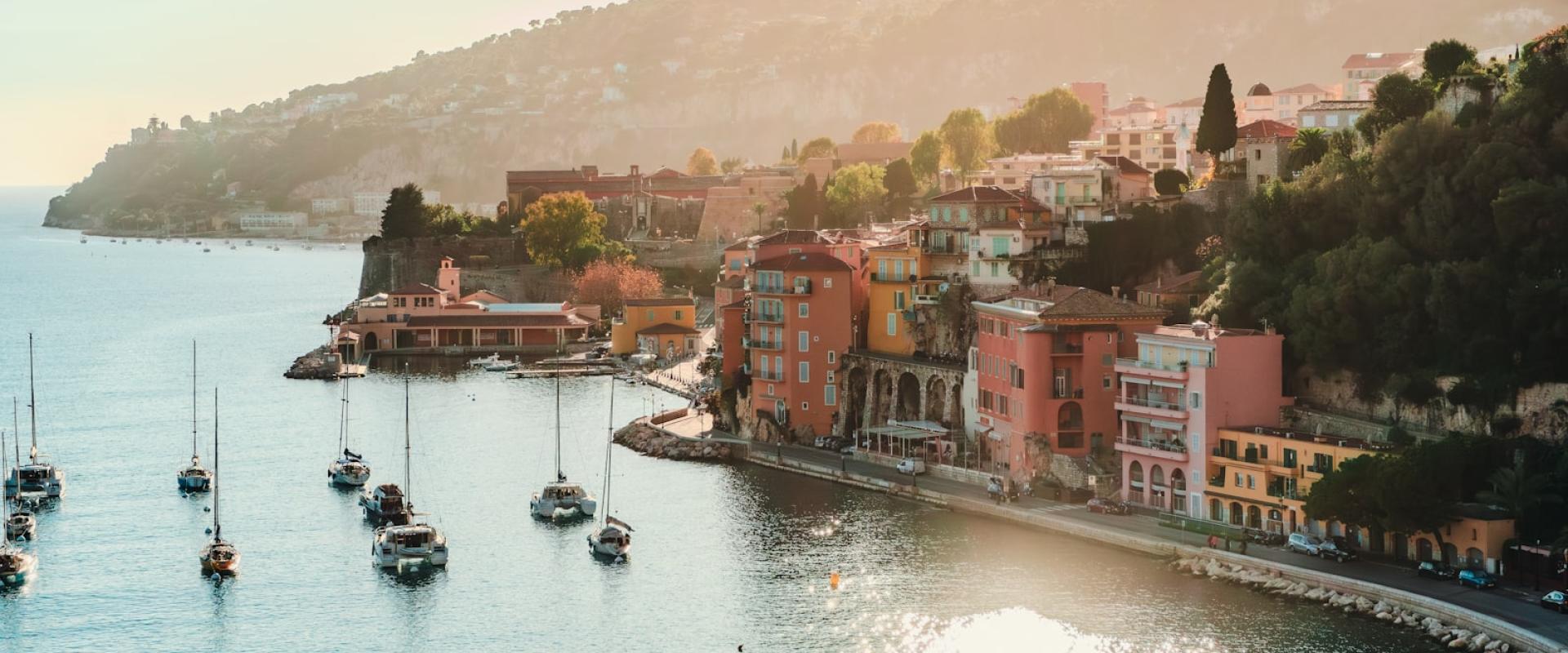
The A8 autoroute serves as the primary efficient route along the French Riviera. It connects major hubs like Nice and Cannes quickly. This highway bypasses the winding coastal terrain effectively. Drivers should expect significant toll costs on this stretch. Payment is accepted via credit card or telepeage tags. The system ensures smooth flow during high traffic periods. For scenic access, the N7 and secondary roads are essential. These routes hug the coastline near Villefranche-sur-Mer and Menton. They offer direct views of the Mediterranean Sea. However, these roads are narrow and winding. Traffic congestion becomes severe during peak summer season. July and August see the highest volume of vehicles. Geographic features like bays and headlands constrain road width. The A8 cuts through tunnels to maintain speed. Secondary roads navigate around these natural obstacles slowly. Renting a car provides necessary flexibility for this region. You must obtain a vignette environmental sticker for motorways. A professional car check-up is recommended before departure. Ensure tires and brakes are in optimal condition. Pack a warning triangle and first-aid kit. Breakdown assistance contracts are advisable for peace of mind. The choice between speed and scenery defines your itinerary. The A8 prioritizes efficiency for long-distance travel. The N7 prioritizes landscape for leisurely exploration. Plan your route based on your time constraints. Toll costs add up but save considerable time. Scenic roads require more driving hours and patience.
Use underground parking garages in major cities like Nice and Cannes. These facilities offer secure storage for your vehicle. They prevent damage from narrow street maneuvers. Street parking requires strict adherence to local regulations. Look for the Blue Disc (Disque Bleu) requirement. You must display this disc on your dashboard. It indicates your permitted parking duration. Pay at nearby meters or use mobile apps. Always validate your ticket upon entry. Illegal parking carries severe risks in France. Fines are frequent and costly in urban zones. Towing is common for obstructing traffic. Hilltop villages present unique navigation challenges. Streets are often too narrow for large cars. One-way systems complicate route planning significantly. Avoid driving into restricted zones (ZTL). These areas enforce strict entry limits. Peripheral parking is the safest strategy. Park outside the historic center walls. Walk to your final destination instead. This avoids congestion and potential fines. Use designated tourist parking areas when available. They are usually located on the city outskirts. Check signage carefully for time restrictions. Some zones allow free parking after 7 PM. Plan your route to avoid peak hours. Traffic congestion increases parking difficulty significantly. Always have your vehicle registration ready. Police conduct random checks in busy areas. Failure to comply results in immediate penalties. Prioritize structured facilities over street spots. They provide better security and convenience. This approach ensures a smoother coastal drive experience.
Driving Regulations and Safety
France enforces a strict blood alcohol limit of 0.5 g/L for all drivers. This rule applies universally on French Riviera roads. You must carry your valid driver’s license at all times. An international permit is required if your license is non-EU. Child restraint laws mandate appropriate seats for children under ten years old. These seats must be installed correctly in the rear or front. Speed limits vary significantly by road type in France. Urban areas typically have a limit of 50 km/h. Rural roads generally allow speeds up to 80 km/h. The A8 autoroute permits speeds of up to 130 km/h. Rain reduces these limits to 110 km/h on highways. Automated speed cameras enforce these limits rigorously along the coast. Fines are issued automatically via mail to registered owners. Using a handheld mobile phone while driving is strictly prohibited. You must use a hands-free kit if you need to call. Carrying a warning triangle and a high-visibility vest is mandatory. These items must be accessible from the driver’s seat. Failure to comply results in heavy fines and penalty points. Always check your vehicle’s tires and brakes before long drives. The French Riviera terrain demands reliable mechanical condition. Environmental stickers, or Crit’Air vignettes, are required in low-emission zones. Purchase these online before arriving in cities like Nice or Cannes. Ignoring this requirement can lead to significant financial penalties. Safety compliance ensures a smooth and legal coastal journey.
Cost Management and Fuel
Fuel prices in France remain higher than the European average. You must use self-service pumps at all stations. Attendants do not fill your tank for you. This norm saves time and reduces labor costs. Toll costs accumulate quickly on the A8 autoroute. Payment methods include cash, credit cards, and telepeage. Telepeage tags offer significant discounts for frequent travelers. They allow automatic deduction without stopping at booths. Parking fees vary by municipality and season. Daily caps exist in many coastal towns. These limits prevent excessive charges during long stays. Hidden costs often arise from environmental stickers. You must purchase the Crit'Air vignette before driving. This sticker is mandatory for motorway access. Failure to display it results in heavy fines. Plan your route to minimize toll sections. Use secondary roads like the Corniche for scenic views. These routes avoid high toll fees entirely. However, they require more driving time. Budget extra for emergency roadside assistance contracts. Secure a professional car check-up before departure. Focus on tires, brakes, and fluid levels. Pack a warning triangle and first-aid kit. These items are legally required in France. Ignoring these rules risks substantial penalties. Prioritize secure underground parking in major cities. Street parking is often restricted or expensive. Verify local signage to avoid towing risks. Always carry your vehicle registration documents. Keep digital copies accessible on your phone. This preparation ensures smooth financial management. It prevents unexpected expenses during your coastal drive.
Alternative Transport Options
The TER regional train network offers efficient inter-city travel along the coast. Trains connect Nice, Cannes, and Menton frequently. This option avoids coastal traffic congestion entirely. Fares remain affordable for budget-conscious travelers. You can reach Villefranche-sur-Mer in minutes from Nice. Car-sharing services provide flexibility for partial rental needs. Platforms like BlaBlaCar connect drivers with passengers. This reduces individual fuel costs significantly. Local buses serve smaller towns inaccessible by rail. Nice’s tram system covers the city center effectively. It provides reliable urban mobility without parking hassles. Walking is ideal for exploring hilltop villages. Eze and Èze offer pedestrian-friendly historic centers. These areas restrict vehicle access completely. Hybrid strategies combine trains with local buses. This approach maximizes coverage of the Riviera. You can park at major train stations. Then take regional transport to remote beaches. This method suits travelers avoiding narrow roads. Public transport schedules vary by season. Check SNCF websites for current timetables. Buses run less frequently in winter months. Plan your itinerary around these operational hours. This ensures seamless transitions between destinations. Avoid driving in peak summer traffic. Public options offer a stress-free alternative. They provide direct access to major attractions. This strategy simplifies your French Riviera journey.