






Regional Culinary Distinctions
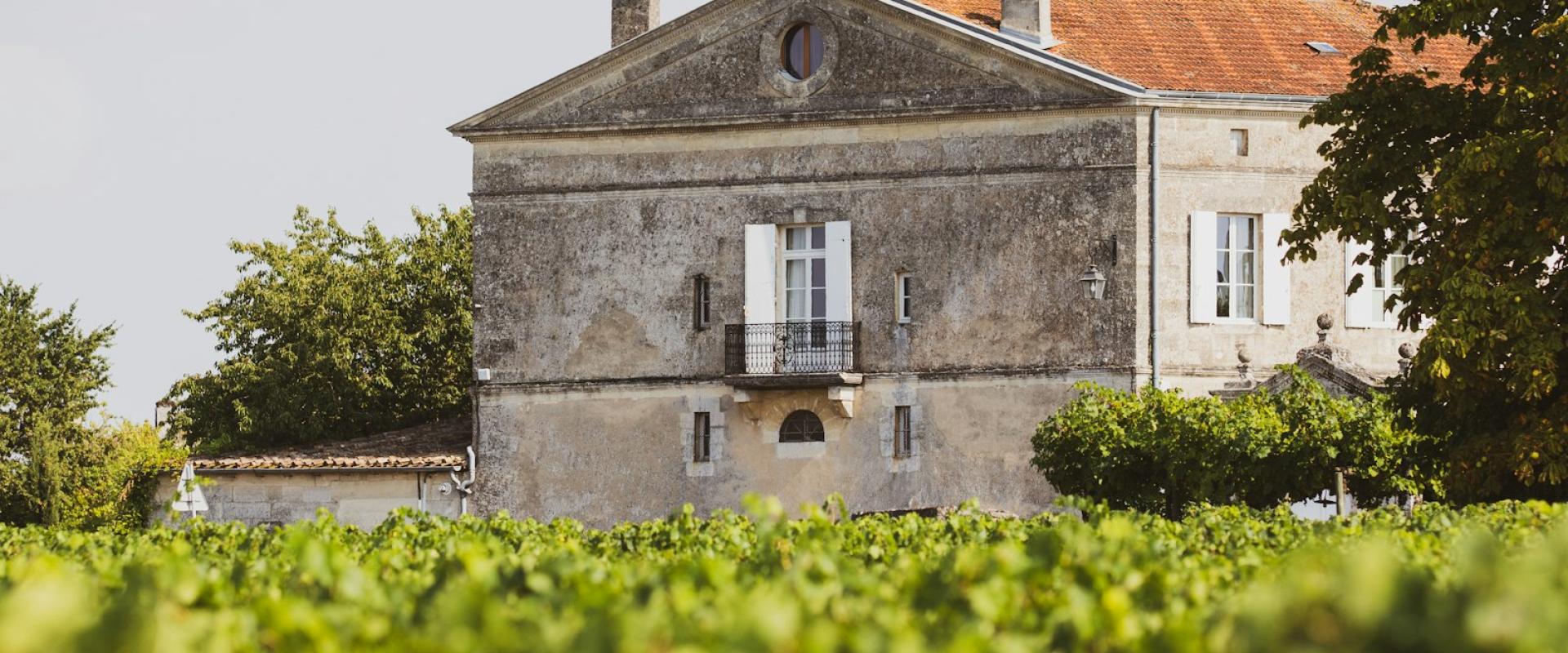
French gastronomy relies on strict regional diversity. Geography shapes distinct culinary traditions across the nation. Northern regions like Normandy prioritize dairy. Butter and cream define their savory dishes. Brittany offers similar rich, cream-based preparations. Southern areas utilize olive oil extensively. Provence and the Riviera feature herb-heavy meals. Herbes de Provence season local produce. Burgundy contributes robust red wines to the culture. Dijon mustard serves as a key regional condiment. The Dordogne province specializes in waterfowl. Duck and foie gras dominate local menus. Champagne in Reims links wine to specific geography. Terroir dictates ingredient sourcing and flavor profiles. Local markets provide fresh, regional staples. Cellar tastings connect wine to its origin. Travelers should understand these regional distinctions. Authentic dining requires knowing local specialties. Market strolls reveal seasonal availability. Engaging with local producers enhances the experience. This approach moves beyond generic stereotypes. It highlights the practical reality of French food. Each area maintains unique culinary identities. Wine culture mirrors this geographic specificity. Pairing local wine with local food is standard practice. This method ensures authenticity in every meal.
French meals follow a strict multi-course structure. Expect distinct appetizer, main, and cheese phases. Service pacing is leisurely, signaling enjoyment rather than inefficiency. Do not rush your meal. Use Continental utensil style throughout dinner. Keep the fork in your left hand while cutting. Switch to the right only for eating. Place bread directly on the tablecloth, not on a plate. This practice is standard across France. Tipping is not mandatory. The phrase service compris indicates service is included in the bill. Rounding up the total is sufficient for good service. Water is often served without charge if requested. Wine accompanies meals, reflecting regional diversity. Pair local wines with local dishes. For example, drink Burgundy wines with Burgundy cuisine. This alignment respects local traditions. Avoid ordering wine from outside the region unless specified. Respect the sommelier’s recommendations. They ensure proper pairing. Dining is a social ritual. Engage in conversation between courses. Silence is not expected. The goal is shared enjoyment of food and drink.
Wine Selection and Tasting
The Appellation d'Origine Contrôlée (AOC) label guarantees origin and quality. This system protects regional identities like Bordeaux and Burgundy. Each region produces distinct wines reflecting local terroir. Travelers should seek AOC labels for authenticity. Food and wine pairing follows strict regional traditions. Pair Normandy cream sauces with local white wines. Serve Burgundy mustard with red Burgundy. Consult a sommelier for expert recommendations. They understand local nuances better than guides. Tasting room etiquette requires respect for producers. Ask permission before photographing inside cellars. Some estates charge fees for guided tastings. Budget approximately ten to twenty euros per person. Purchase wine directly from the vineyard for best prices. Ensure bottles are packed securely for travel. Check airline regulations regarding liquid transport limits. Local markets offer diverse regional specialties. Engage in cellar tastings to eat like a local. This approach ensures an authentic French gastronomic experience.
Restaurant Reservation Strategies
Advance booking is essential for popular French bistros. Many establishments require reservations weeks ahead. Phone calls often yield better results than online platforms. Staff prefer direct communication for special requests. Communicate dietary restrictions clearly during booking. French kitchens prioritize traditional preparations. Modifying menus can be difficult. Lunch menus offer fixed-price options. These prix fixes provide better value. Dinner menus feature more complex courses. Service pacing slows significantly at night. Arrive exactly on time. Late arrivals may lose your table. Confirm reservations 24 hours prior. This step prevents scheduling errors. French restaurants operate on strict schedules. Missing a reservation wastes the seat. Plan meals around local customs. Understand regional dining hours. Northern regions dine earlier than the south. Align your itinerary with these norms. Wine pairings often accompany main courses. Ask staff for local recommendations. They know regional specialties best. Respect the multi-course structure. Rushing service is considered rude. Allow time for each course. Enjoy the leisurely pace. This approach enhances the culinary experience. It reflects French cultural values. Prioritize punctuality and preparation. This ensures a smooth dining experience.
Avoiding Tourist Traps
Authentic French dining relies on regional specificity. Avoid menus printed in multiple languages. These often target international tourists rather than locals. Observe the clientele before entering. A restaurant filled with locals indicates quality. Check for the couvert charge. This small fee covers bread and table service. It is standard practice in France. Do not assume it is included in the bill. Location matters significantly. Restaurants near major monuments often inflate prices. Seek establishments in residential neighborhoods instead. Engage in market strolls to understand local ingredients. This helps identify authentic bistros. Ask for local recommendations from hotel staff. They know which spots serve genuine regional dishes. Avoid places with aggressive touts outside. These establishments prioritize volume over culinary tradition. Verify the menu language. French-only menus suggest a focus on local patrons. This distinction helps avoid hidden costs and poor quality. Prioritize places where the staff speaks primarily French. This ensures a more authentic cultural experience. Research specific regional staples beforehand. Knowing what to order prevents confusion. This approach ensures you eat like a local.