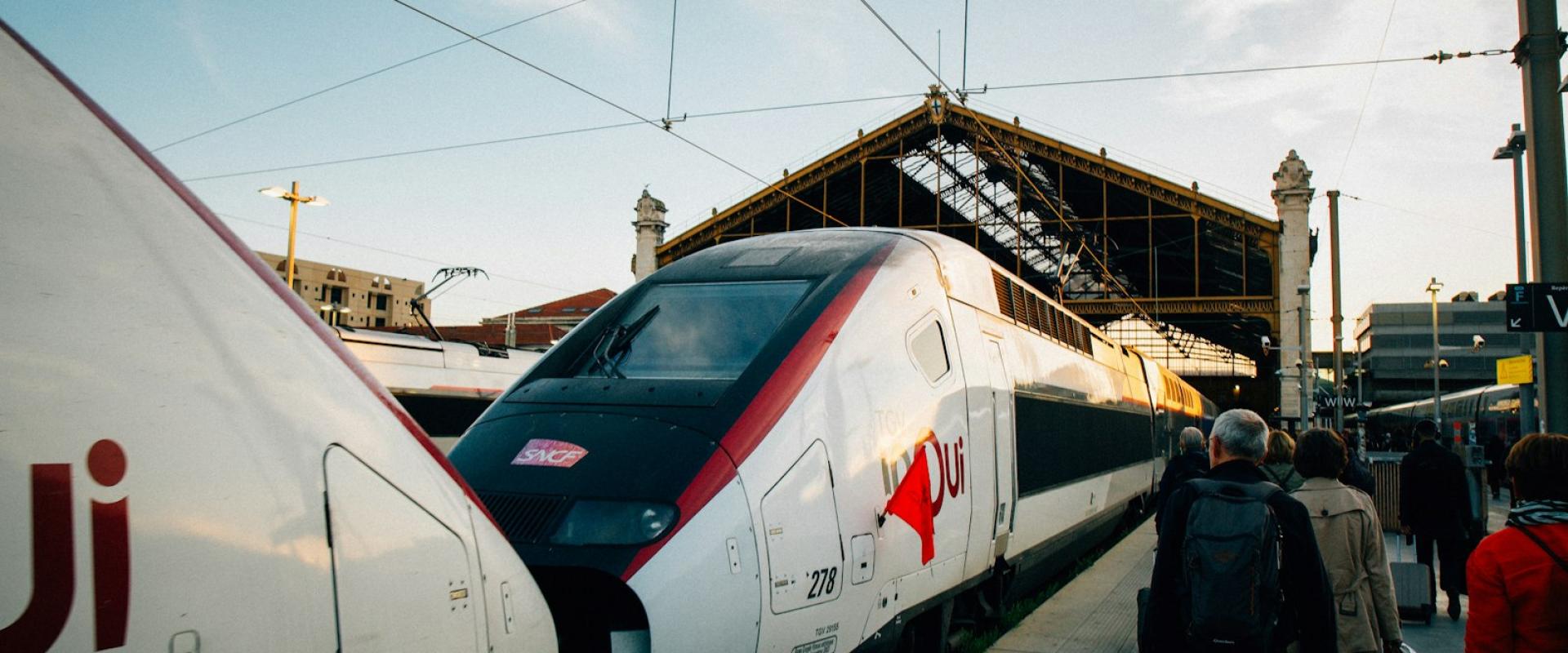
Network Overview and Reach
The TGV network runs on about 2,800 kilometres of high-speed line, with commercial speeds of up to 320 km/h on the newer lines. SNCF Voyageurs operates the main services, branded TGV INOUI, with the low-cost brand Ouigo alongside. Stations are in the centres of cities such as Lyon and Marseille, which saves time compared with reaching an airport.
Approximate fastest journey times from Paris are about two hours to Lyon, a little over two hours to Bordeaux and a little over three hours to Marseille. TGVs also run across the border to Belgium, Luxembourg, Germany, Italy and Spain. London is served by Eurostar, not by TGV-branded trains, and Eurostar also connects Paris with Brussels and Amsterdam.
Ticketing Strategies and Fares
High-speed fares rise as trains fill, so book early for weekends, school holidays and summer routes. Tickets are sold on the SNCF Connect website and app, at station machines and at ticket counters in larger stations. Ouigo sells its own tickets on its own site. Cheaper fares are usually less flexible than higher ones, so read the exchange and refund conditions before you pay.
SNCF also sells discount cards, such as the Carte Avantage, which give reduced fares on long journeys. They only pay off if you make several trips, so check the current price and conditions on SNCF Connect before buying one. Interrail and Eurail passes are valid on SNCF trains, but point-to-point tickets bought early are often cheaper for a few journeys, and Ouigo does not accept passes.
Paris has several main stations, and each serves a different direction. Trains to Lyon, Provence and the Riviera leave from Gare de Lyon; Bordeaux and the Atlantic coast from Gare Montparnasse; Lille and Eurostar from Gare du Nord. Check your ticket for the exact station, as some Ouigo trains use stations such as Marne-la-Vallée Chessy outside the centre of Paris.
Platforms are usually shown on the departure boards only shortly before departure, so wait near the screens. Show the QR code from the SNCF Connect app or a printed ticket when asked; checks take place on board or at gates in large stations. Keep your ticket until you leave the station. For Eurostar journeys to London you need your passport and must allow extra time for border checks.
Reservations and Pitfalls
A seat reservation is compulsory on TGV INOUI and Ouigo trains and is included in the ticket. Rail pass holders must buy a reservation for a fee, and the seats allotted to pass holders on busy trains can sell out. Regional TER trains work differently: on most routes the ticket is not tied to a particular train.
Allow at least an hour to cross Paris between stations by metro or RER. Strikes are usually announced in advance, so check the SNCF Connect app on the morning of travel and look at your exchange or refund options if your train is cancelled.