


Basilica of Saint-Bénigne
Gothic cathedral on the site of the 11th-century abbey
- Admission
- Free entry
- Hours
- 9:00 AM–12:00 PM and 2:00 PM–5:30 PM
- Where
- Burgundy, Burgundy
- Directions
- Directions
The Basilica of Saint-Bénigne, officially the Cathédrale Saint-Bénigne, is the cathedral of Dijon and one of the oldest religious sites in Burgundy. It stands a few streets west of the Palais des Ducs and the central squares, and its dark roof and twin towers, topped by a spire added in the nineteenth century, make it a key part of the city's skyline. The church is built over the tomb of Bénigne, a missionary who, according to tradition, brought Christianity to the region and was martyred in the second century. A chapel and later an abbey rose around his grave, and Dijon grew up around that pilgrimage.
The abbey church had a splendid early life. Around the year 1000, Abbot William of Volpiano, a reforming monk from northern Italy, rebuilt it with a great round structure, a rotunda, east of the main church, and parts of this work survive in the crypt. The crypt is an extraordinary survival, with columns and walls that predate the Gothic cathedral by many centuries, and it includes a much older sanctuary built to receive the saint's tomb. The Romanesque abbey church was damaged by fire and fell into decline, and in the late thirteenth century it was rebuilt in the Gothic style, a campaign that was largely complete by the early fourteenth century.
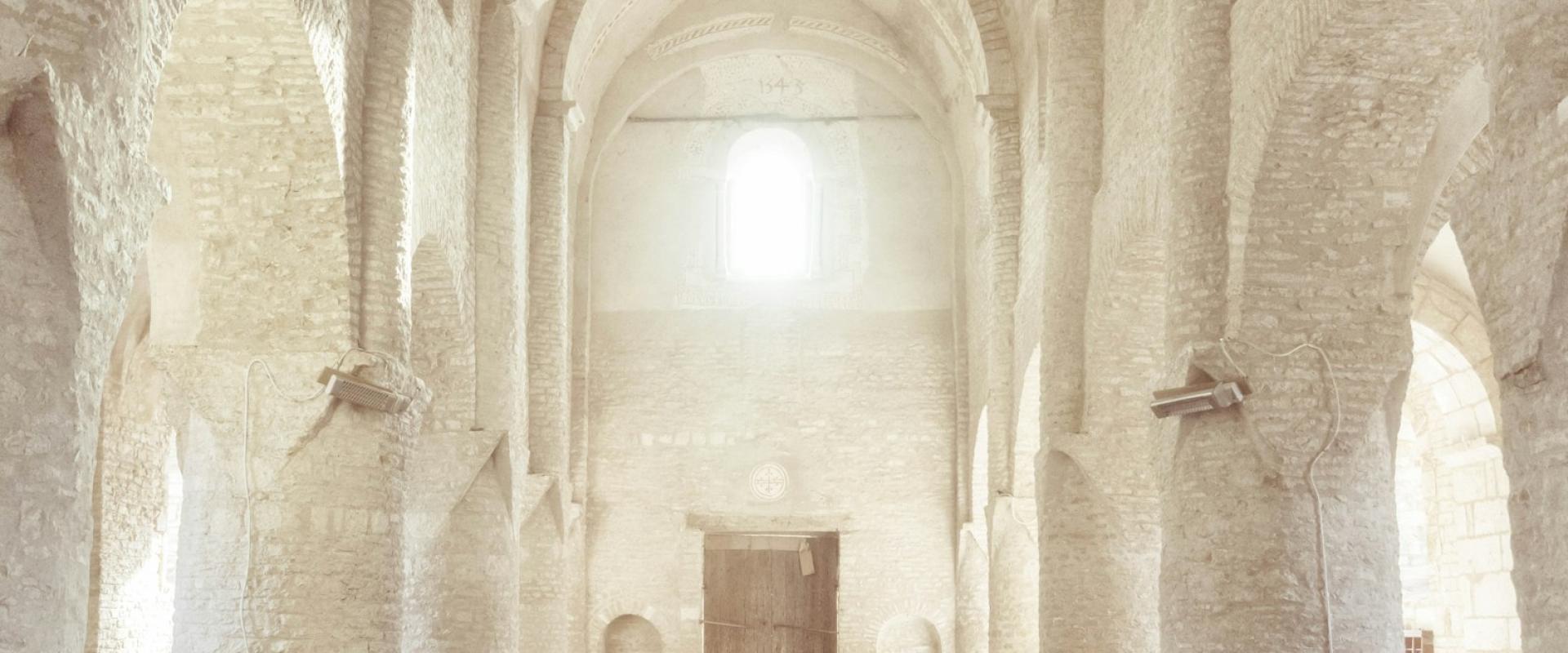
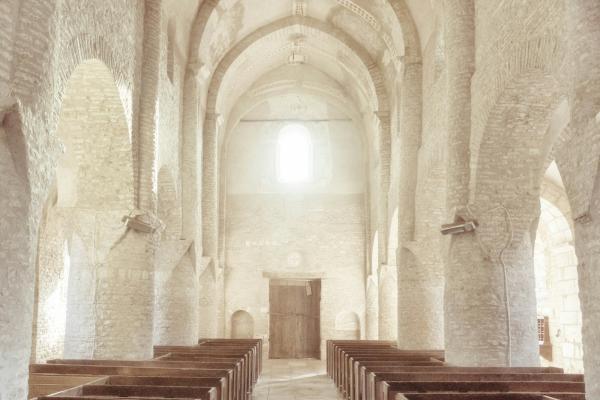
The church was not originally a cathedral. It served as the church of a Benedictine abbey until the diocese of Dijon was created in the eighteenth century, in 1731, and the abbey church became the cathedral. During the Revolution the monastic community was dispersed. In 2002 Dijon became the seat of an archdiocese. Inside, the Gothic nave is tall and austere, with a long line of piers and vaults, stained glass that casts coloured light on the stone, and chapels that hold tombs and altarpieces. Burgundian roofs often use glazed coloured tiles, and the cathedral's steep roof contributes to the town's character.
Beside the cathedral, the former abbey buildings house the Musée Archéologique de Dijon. The museum occupies the old monastic dormitory and chapter house and presents archaeological finds from the Burgundy region, from prehistory through Gallo-Roman times to the Middle Ages, and it lets visitors see the architecture of the abbey close up. The mix of cathedral, crypt and museum is one of the most rewarding combinations in the city.
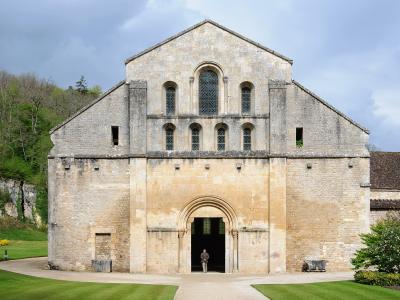
Dijon has much else to offer in walking distance, including the Palais des Ducs de Bourgogne and the Musée des Beaux-Arts, the Église Notre-Dame with its famous owl, and the market halls. The cathedral is free to enter, and a visit takes about an hour, plus time for the crypt, which may have separate arrangements. It suits architecture and history lovers, and it is a good counterpart to the Cistercian simplicity of the Abbaye de Fontenay, which lies further north in Burgundy. Check opening times before going, because services take precedence.
Categories
More photos coming soon
Hours & Fees
- Open
- 9:00 AM–12:00 PM and 2:00 PM–5:30 PM
- Admission
- Free entry
Hours and prices change, especially out of season. Check with the venue before you go.
Nearby Attractions
Other places to visit in Burgundy
Questions people ask
Quick Facts
Best Time to Visit
May to June and September to October offer mild weather and ideal conditions for vineyard exploration.