



Burgundy
Historic French region renowned for wine, castles, and cuisine
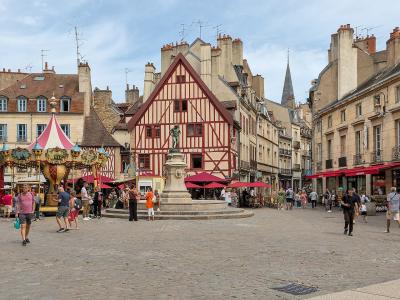
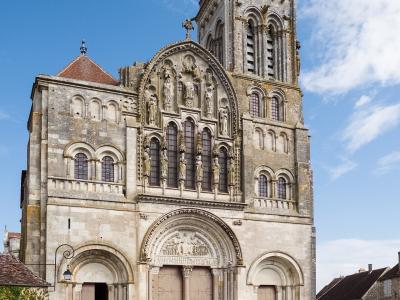
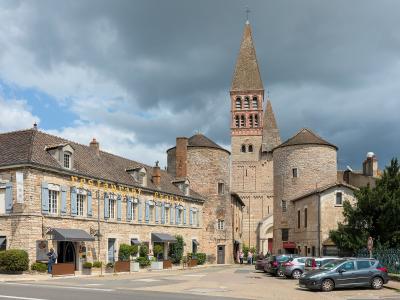
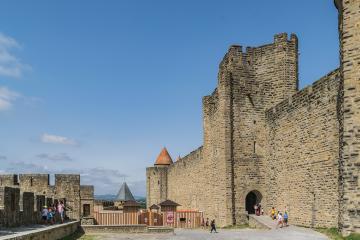
Burgundy, located in east-central France, is a region of immense historical and cultural significance. Historically, it was a powerful duchy that played a crucial role in European politics during the Middle Ages. The Dukes of Burgundy were among the most powerful rulers in Europe, and their patronage of the arts left an indelible mark on the region's architecture and culture. The region's history is visible in its numerous châteaux, abbeys, and fortified towns. The Duchy of Burgundy was annexed by the French crown in the 15th and 16th centuries, but its cultural identity remains distinct. The region is divided into several departments, including Côte-d'Or, Saône-et-Loire, Yonne, and Nièvre, each with its own unique character and attractions.
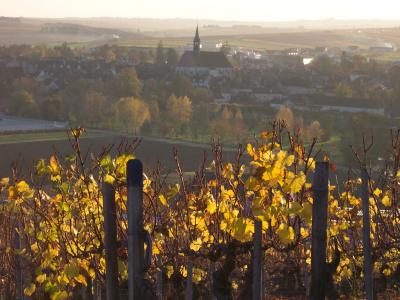
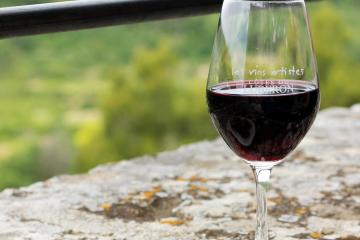
The heart of Burgundy is its wine country, particularly the Côte de Nuits and Côte de Beaune, which are famous for producing some of the world's finest wines. The vineyards stretch across rolling hills, offering scenic views and opportunities for wine tasting and tours. The Hospices de Beaune, a former hospital and almshouse founded in 1443, is a masterpiece of Burgundian Gothic architecture and a symbol of the region's charitable traditions. It is also the site of the annual wine auction, a major event in the wine calendar. The city of Dijon, the capital of Burgundy, is known for its historic center, the Palace of the Dukes of Burgundy, and the Museum of Fine Arts. Dijon is also famous for its mustard, which is produced in the city using a traditional recipe.
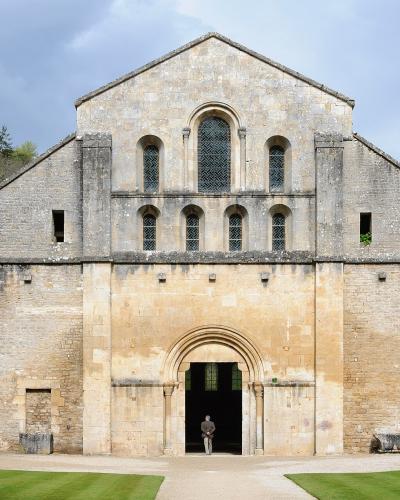
Burgundy is also home to several UNESCO World Heritage Sites, including the Climats of Burgundy, a unique terroir-based wine classification system, and the Abbey of Fontenay, a well-preserved Cistercian monastery. The region's natural beauty is another major attraction, with the Morvan Regional Natural Park offering opportunities for hiking, cycling, and wildlife watching. The Yonne River and the Canal de Bourgogne provide scenic routes for boating and walking. The region's cuisine is equally renowned, with dishes like boeuf bourguignon, coq au vin, and escargots reflecting the rich agricultural heritage of the area. Local cheeses, such as Époisses and Chaource, are also highlights of the culinary experience.
Getting to Burgundy is convenient via train, with TGV services connecting Dijon and other major towns to Paris and other French cities. The region is also accessible by car, with well-maintained roads connecting the various towns and attractions. The best time to visit Burgundy is from May to June and September to October, when the weather is mild and pleasant, ideal for exploring the vineyards and historic sites. July and August are warm and busy, suitable for those who enjoy summer activities but may encounter larger crowds. Spring and autumn offer milder weather and fewer crowds, making them suitable for sightseeing and wine tasting. Winter is cooler and quieter, offering a serene atmosphere for indoor museum visits. Burgundy combines historical depth, cultural richness, and natural beauty, making it a compelling destination for travelers seeking an authentic French experience.
Best Time to Visit
May to June and September to October offer mild weather and ideal conditions for vineyard exploration.
Did you know?
Interesting, verified facts about Burgundy
Burgundy Has a Wine Tradition
Food & DrinkIt is globally renowned for its wine production, particularly Pinot Noir and Chardonnay, as well as its rich culinary traditions, including beef bourguignon and Dijon mustard.
Source: Why there's no 'Dijon' in Dijon mustardBurgundy Preserves Medieval Heritage
HistoryNestled between the Massif Central and the Paris Basin, the region is defined by its rolling hills, vineyards, and medieval towns.
Source: Population discontinuity in the Paris Basin linked to ...Plan Your Visit to Burgundy
Essential travel tips and information for your trip to Burgundy.
Suggested Itineraries
Extended Burgundy Experience
3 days3-day tour of Burgundy's chateaux, wines, and Dijon
View ItineraryTravel Tips
Currency
EUR • Cards widely accepted
Language
French • English in tourist areas
WiFi
Free WiFi in cafes and hotels
Explore Burgundy by Interest
Discover attractions and experiences in Burgundy organized by your interests and travel preferences.



All attractions in Burgundy
Sorted by our recommendation score

Quick Facts
Book your stay
Frequently Asked Questions
More destinations in Burgundy
Explore other amazing places in the Burgundy region