







- Admission
- €7 to €11.50 depending on category.
- Hours
- High season (Apr 3-Nov 1): Daily 10am-6pm. Low season: Daily 10am-12pm, 2pm-5pm.
- Where
- Burgundy, Burgundy
- Directions
- Directions
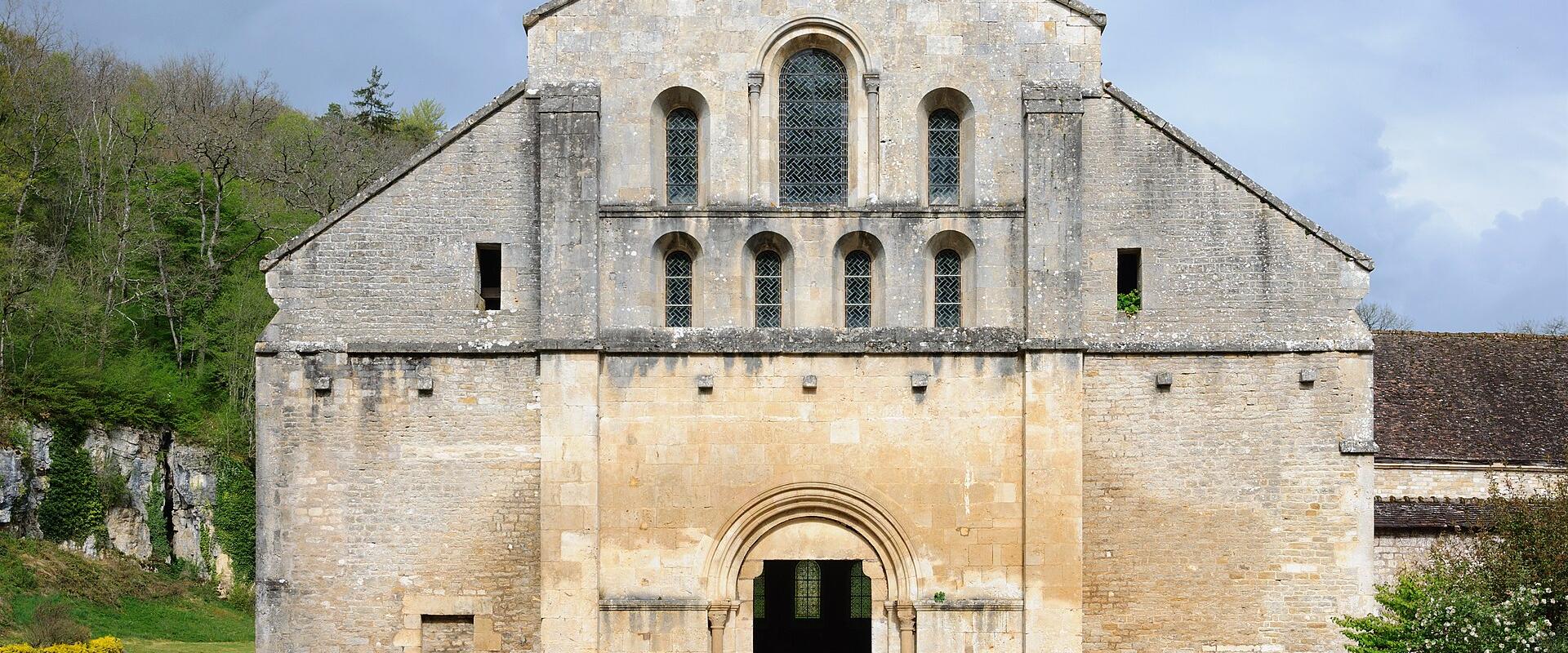
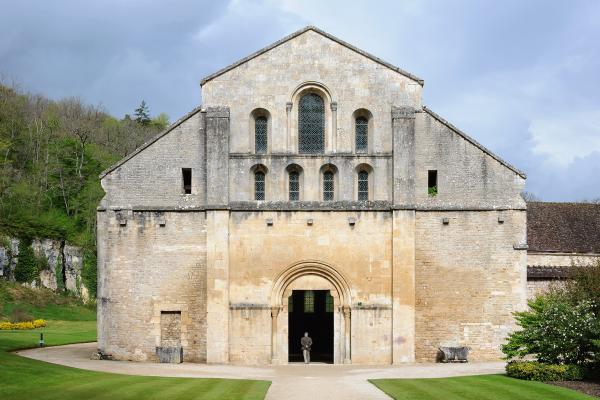
Fontenay is one of the best-preserved Cistercian abbeys in Europe, tucked into a wooded, marshy valley near Montbard, in the commune of Marmagne in Burgundy's Côte-d'Or. It was founded in 1118 by monks in the circle of Bernard de Clairvaux, the reforming abbot who shaped the Cistercian order, and it was built in the spirit of his ideals: simplicity, silence, manual labour and an almost complete lack of decoration. The abbey is a UNESCO World Heritage Site, listed in 1981, and it is regularly cited as the clearest surviving picture of how a twelfth-century Cistercian community lived and worked.
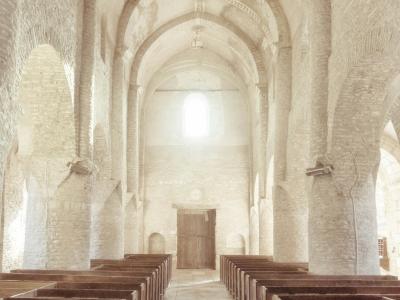
The abbey church, consecrated in 1147, is the architectural centrepiece. Its nave is bare, high and pale, with pointed barrel vaults and almost no carving, and the light that falls through plain windows does the work that painting and sculpture did in richer churches. Beside it is the cloister, whose arcades and carved capitals are restrained and geometric, and around it the rooms of daily life are laid out in the traditional order: the chapter room where the monks met each morning, the scriptorium and warming room, and the long dormitory under a magnificent oak roof frame, where the monks slept in their habits.
What sets Fontenay apart is the Forge. This large building from around 1200 housed a hydraulic workshop on the river, with a water wheel driving a hammer, and it shows how the Cistercians organised iron production as part of their economy. The monks also kept a dovecote and fishponds, and the gardens and grounds follow the valley's natural line. Water was a constant element of monastic design, and here the stream is still central to the experience of the site.
The abbey's later history helps explain why it survived so well. After the French Revolution it was sold and turned into a paper mill, which altered the buildings but preserved their bulk. In the early twentieth century the banker Édouard Aynard bought the property and restored it, and it remains in the hands of his descendants, who open it to the public. Its calm, wooded setting has made it a favourite location for filmmakers, and it is quietest in the morning and late afternoon.
Visitors can wander at their own pace, and guided tours in French are available at certain times of year, so check the schedule before you go. The route includes areas with shallow pools of water, which is worth bearing in mind with small children. The abbey suits anyone interested in medieval history, monastic life or architecture, and it combines well with a day exploring the Auxois and the villages around Montbard. If you are staying in Dijon, the Basilica of Saint-Bénigne makes a good contrast: a major Romanesque and Gothic church of a very different, far more elaborate monastic tradition.
Categories
More photos coming soon
Hours & Fees
- Open
- High season (Apr 3-Nov 1): Daily 10am-6pm. Low season: Daily 10am-12pm, 2pm-5pm.
- Admission
- €7 to €11.50 depending on category.
Hours and prices change, especially out of season. Check with the venue before you go.
Nearby Attractions
Other places to visit in Burgundy
Questions people ask
Quick Facts
Best Time to Visit
May to June and September to October offer mild weather and ideal conditions for vineyard exploration.