







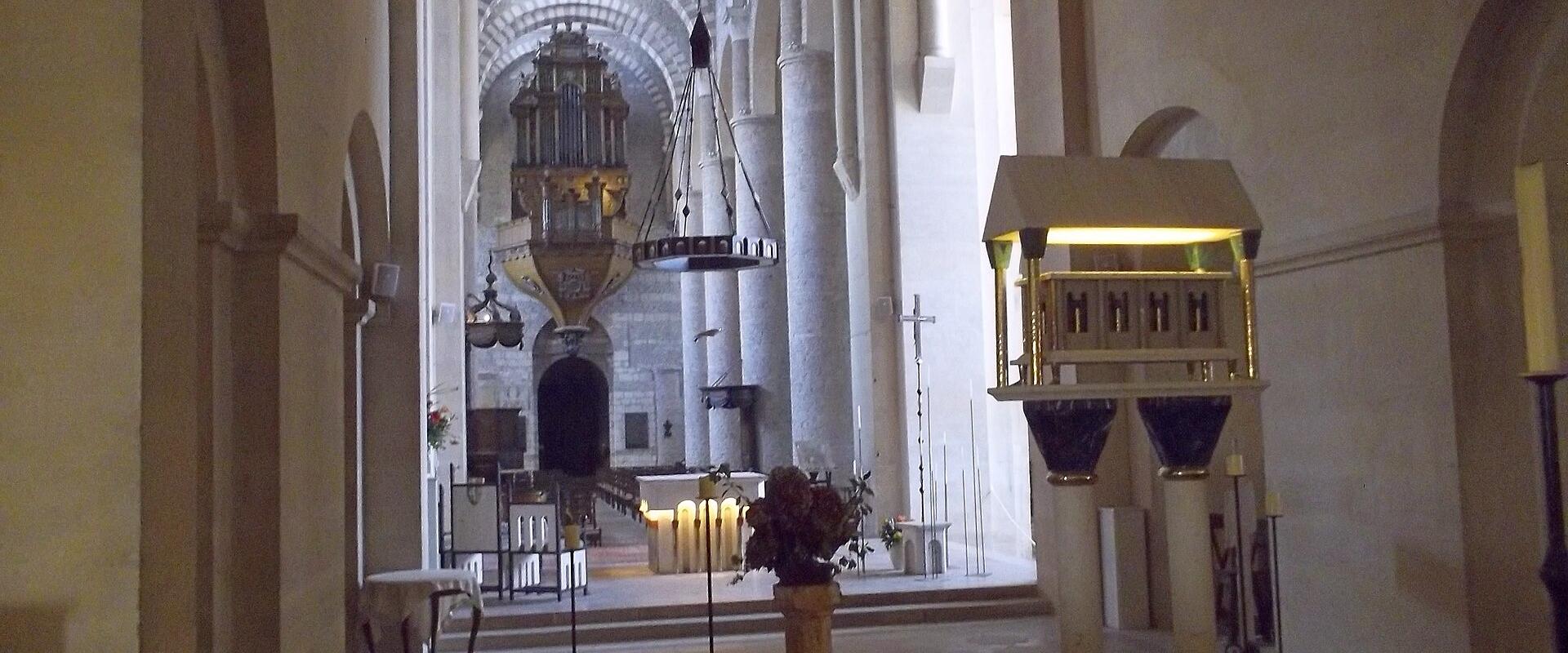
Basilica of Saint-Philibert
11th-century Romanesque abbey with transverse barrel vaults
- Where
- Tournus, Burgundy
- Directions
- Directions
The Basilica of Saint-Philibert in Tournus is one of the great Romanesque churches of Burgundy, and it is notable for a daring and unusual structure that makes the interior unforgettable. It is the main surviving part of a Benedictine abbey that began with a small religious community in the early Middle Ages, grew around the tomb of the martyr Saint Valerian and later received the relics of Saint Philibert, the founder of the abbey of Jumièges and Noirmoutier. In the ninth century, monks fleeing the Viking raids carried his remains from the island of Noirmoutier, off the Atlantic coast, and after years of wandering they settled at Tournus in 875, and the abbey took his name.
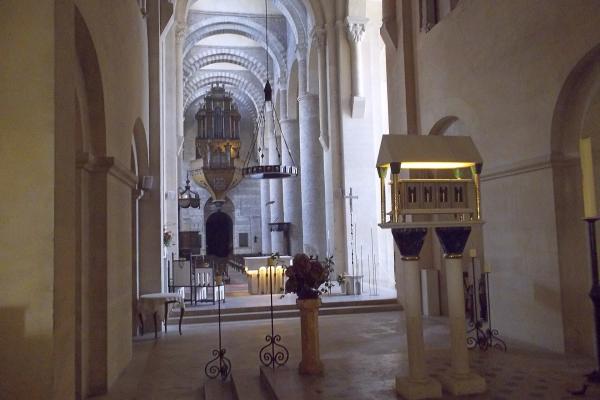
The present church was built mostly from the late tenth to the twelfth century. From outside, it looks plain and fortress-like, with a massive west front formed by two towers of different height and a strong, almost military character, a reminder of the insecurity of the age. The interior is the surprise. The first part is a narthex, a vaulted porch, with low, heavy pillars, above which lies the Chapelle Saint-Michel, a two-storey space that can be visited and that served for the abbey's ceremonies. The great nave beyond it is built in an unusual way. Instead of one long barrel vault, each bay is covered by its own transverse barrel vault at right angles to the axis, supported by tall cylindrical pillars of pinkish stone. This structure, rare in Europe, lets light enter through high windows and gives the nave a rhythmic, almost musical quality, with warm, golden tones.
Below the choir lies a tenth-century crypt, among the oldest parts of the building, a low space with columns and an ambulatory, which is reached by steps. Stained glass of the twentieth century, in a modern idiom, adds some colour to the interior. During the Revolution, the abbey church was turned into a Temple of Reason, which may be one reason why it was not demolished, and it was restored in the nineteenth and twentieth centuries.
The abbey buildings that survive, including the cloister, chapter house and refectory, can be visited and complement the church. The basilica is free to enter, though it is a place of worship, so keep quiet during services. Allow one hour.
It suits lovers of Romanesque art, architecture students and anyone travelling the Saône valley. The Musée des Beaux-Arts et d'Archéologie de Tournus and the Pont de Tournus are close at hand, and the Centre d'Art Contemporain offers a modern contrast.
Categories
More photos coming soon
Nearby Attractions
Other places to visit in Tournus
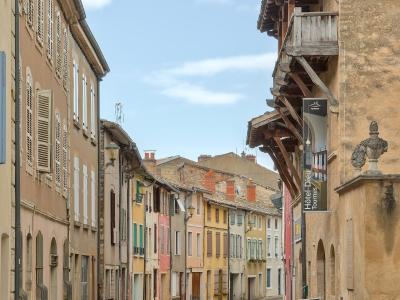
Musée des Beaux-Arts et d'Archéologie de Tournus
Romanesque abbey housing art and archaeology
Free Museums & Culture
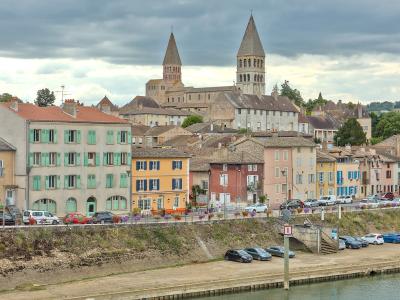
Pont de Tournus
Modern steel and concrete bridge over the Saône
Free Historic Architecture
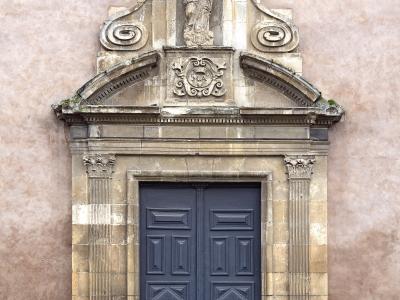
Centre d'Art Contemporain
Contemporary art center in historic Tournus
Museums & Culture
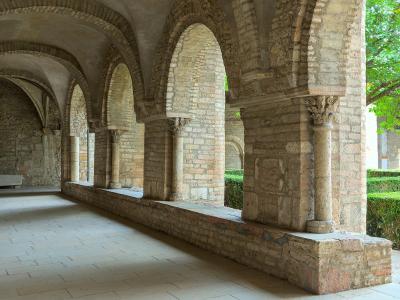
Abbaye de Saint-Philibert (Cloister)
11th-century Romanesque cloister in Tournus
Free Churches · Heritage Trails
Questions people ask
Quick Facts
Best Time to Visit
Mid-June to mid-September offers warm weather and ideal conditions for outdoor activities and sightseeing.