







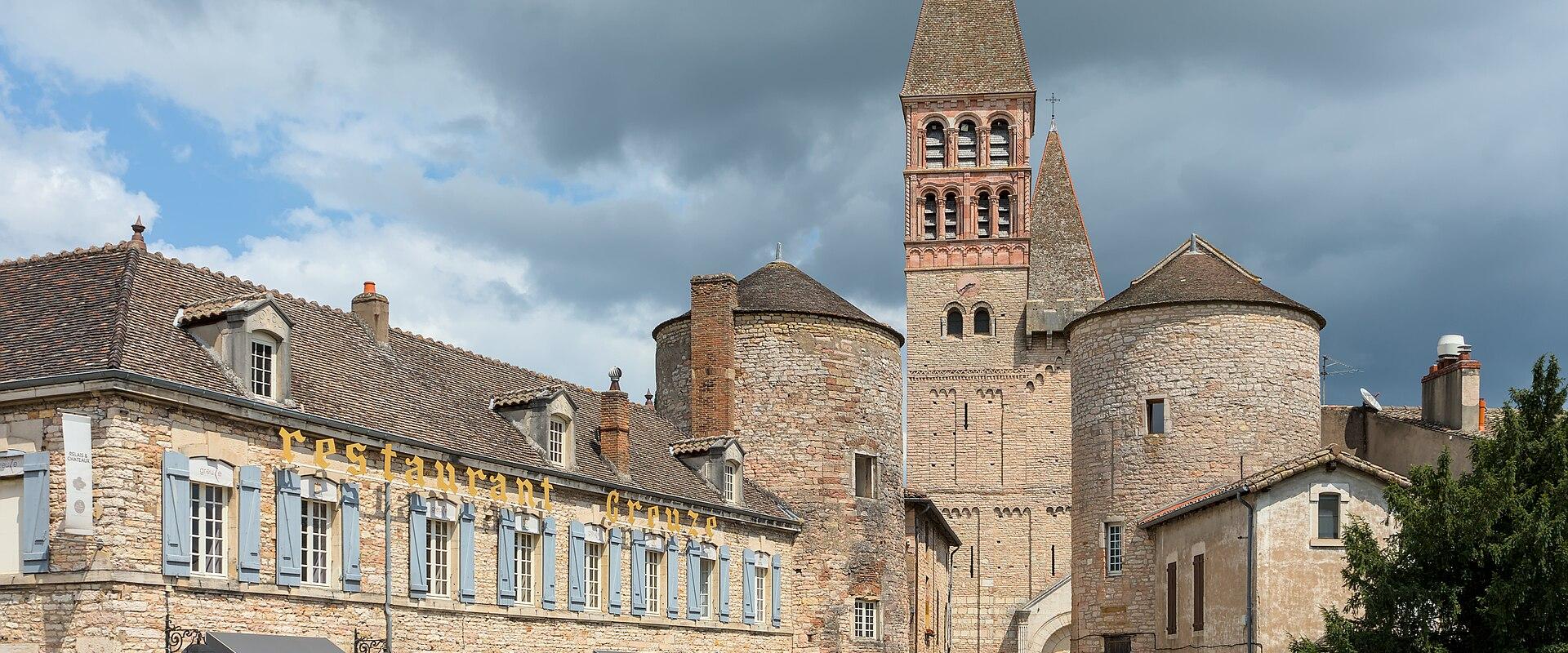
Tournus, situated in the Saône-et-Loire department of eastern France, is a town with a profound historical and architectural identity. Historically, it grew around a Benedictine abbey, established in the 9th century by monks who carried the relics of Saint Philibert away from Viking raids on the Atlantic coast. The Abbey of Saint-Philibert became one of the most important religious centres in Burgundy, welcoming pilgrims traveling toward Santiago de Compostela, and the town's location on the Saône River facilitated trade and cultural exchange, contributing to its prosperity during the Middle Ages. The abbey church, built mostly between the 10th and 12th centuries, is a masterpiece of Romanesque architecture, with a Latin cross plan, three naves and a central tower. The Hôtel-Dieu, a hospital whose present buildings date mostly to the 17th century, though the institution goes back further, now holds a museum of hospital life and an old pharmacy. The architecture of Tournus reflects its religious and commercial past, with stone houses and narrow streets preserving the medieval character.
The main attractions in Tournus revolve around its religious heritage and riverside setting. The Abbey Church of Saint-Philibert, also called the Basilica of Saint-Philibert, is the primary landmark, renowned for its sculpted capitals, traces of frescoes and its impressive central tower; the former cloister and the abbey's other buildings can be explored alongside. The best-preserved parts of the church are the vaults, the crypt and the narthex. The Hôtel-Dieu, located near the abbey, is a fine example of classical architecture with Renaissance influences and houses exhibitions and events. The Saône River offers scenic views and opportunities for leisurely walks along the quays, and the Pont de Tournus carries the road over the river. The town also features several museums, including the Museum of Fine Arts, also known as the Musée Greuze, named after the painter Jean-Baptiste Greuze, who was born here, which displays works from the Middle Ages to the 19th century and archaeological finds. The Centre d'Art Contemporain, or ETAC, a contemporary art centre, is in a historic building. The surrounding area offers access to the Burgundy wine route, with nearby vineyards producing notable wines, including those of the Mâconnais.
Tournus offers various activities for visitors interested in history, art and nature. Walking tours through the old town allow visitors to appreciate the architectural details and the serene atmosphere. The Saône River provides opportunities for canoeing and fishing, and a cycle route follows the river and the old canal. The nearby villages of Cluny and Mâcon are accessible for day trips, offering additional historical sites and wine tasting, and the hill village of Brancion is a short drive away. The local cuisine features Burgundian specialities, including coq au vin, escargots and local cheeses, and the nearby Bresse area is known for its poultry. The town hosts various festivals throughout the year, including the Tournus Festival, which celebrates music and culture, and the weekly market fills the centre. The surrounding countryside offers hiking and cycling trails with views of the river valley and vineyards.
Getting to Tournus is convenient via train, with regular services from Lyon and Paris, including connections at nearby larger stations; the train station is located in the town centre, a short walk from the abbey. For those traveling by car, Tournus is connected by the A6 motorway and by the D974 and D975 roads. The best time to visit is from mid-June to mid-September, when the weather is warm and pleasant, ideal for exploring the outdoor attractions and riverside walks. July and August are the warmest months, with average highs around 25°C, but also the busiest. Spring and autumn offer milder weather and fewer crowds, making them suitable for sightseeing and wine tasting. Winter is cooler and quieter, offering a serene atmosphere for indoor museum visits.
Best time to visit
Mid-June to mid-September offers warm weather and ideal conditions for outdoor activities and sightseeing.
What to see in Tournus
Our picks first.
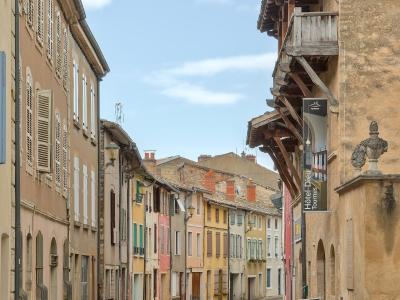
Musée des Beaux-Arts et d'Archéologie de Tournus
Romanesque abbey housing art and archaeology
Free Museums & Culture
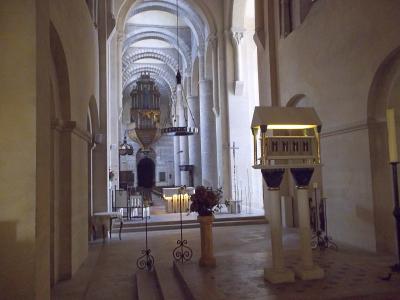
Basilica of Saint-Philibert
11th-century Romanesque abbey with transverse barrel vaults
Architectural Landmarks · Churches
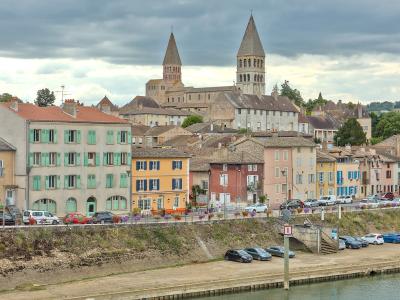
Pont de Tournus
Modern steel and concrete bridge over the Saône
Free Historic Architecture
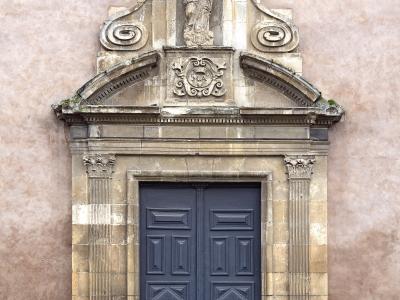
Centre d'Art Contemporain
Contemporary art center in historic Tournus
Museums & Culture
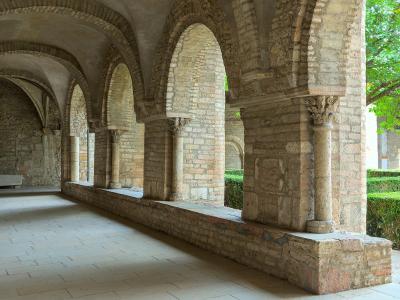
Abbaye de Saint-Philibert (Cloister)
11th-century Romanesque cloister in Tournus
Free Churches · Heritage Trails
Tournus by interest
The same sights, grouped by what you came for.
Planning a visit to Tournus
Good to know
- Currency
- EUR
- Language
- French
Quick Facts
Book your stay
Questions people ask
More places in Burgundy
Burgundy
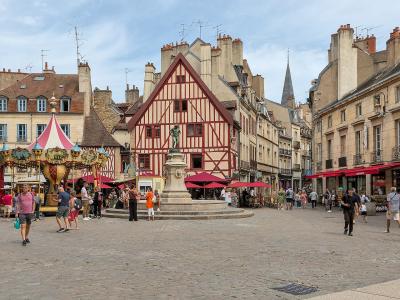
Dijon
Historic Burgundy capital known for ducal palace and mustard
Burgundy
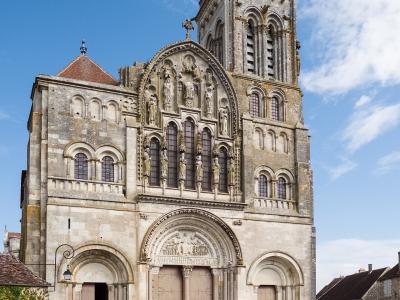
Vezelay
UNESCO hilltop village with Romanesque basilica in Burgundy
Burgundy
Burgundy
Historic French region renowned for wine, castles, and cuisine
Burgundy
Beaune
Historic Burgundian town known for wine and Hospices de Beaune