







Basilica of Sainte-Marie-Madeleine
UNESCO Romanesque basilica and Crusade starting point
- Admission
- Free entry
- Hours
- Daily 8:00 AM to 8:00 PM
- Where
- Vezelay, Burgundy
- Directions
- Directions
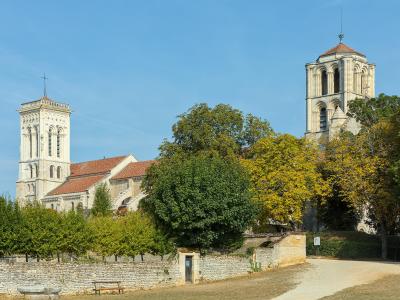
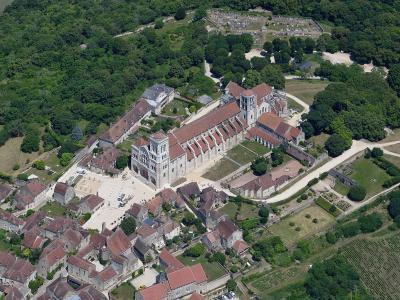
The Basilica of Sainte-Marie-Madeleine crowns the hill of Vézelay in northern Burgundy, and it is one of the great monuments of Romanesque art. The building was erected mainly in the early twelfth century, replacing earlier churches on the same site, and it was built to receive crowds of pilgrims. The monks of the abbey claimed to hold the relics of Mary Magdalene, brought, according to tradition, from the Holy Land, and from the eleventh century the abbey became one of the most important places of pilgrimage in western Europe, as well as the starting point of the route of the Via Lemovicensis toward Santiago de Compostela. Saint Bernard preached the Second Crusade here in 1146, and the kings of France and England met at Vézelay in 1190 before leaving for the Third Crusade.
The building has several features that make it famous. The first is the narthex, the vestibule at the west end, which acts as a large porch. The main doorway from it into the church carries a monumental carved tympanum from about 1130, showing Christ in glory, with rays of light going out from his hands to the apostles, who are being sent out to preach to all the nations of the world. Around it are carved panels depicting the peoples of the earth, in an imaginative scene that mixes real and fabulous races, and the entire portal is one of the masterpieces of medieval sculpture.
The second feature is the nave. It is nearly sixty-two metres long and its vaults are made of round arches, in the Romanesque manner, but the builders alternated light and dark stone in the arches, which gives the interior a striped, rhythmic look. The windows of the aisles are placed high, so the light comes in from above, and the nave is bright for a Romanesque church. The most remarkable effect occurs at the summer solstice, around the twenty-first of June, when the sun enters the church at midday, and a series of patches of light is projected along the central axis of the nave, a design that is thought to have been intended by the builders. The nave pillars carry about a hundred carved capitals, with scenes from the Bible, the lives of the saints and the struggle between good and evil. Look for the capital known as the Mystic Mill, in which Moses pours grain into a mill that is turned by Saint Paul, and the one that shows the death of Judas.
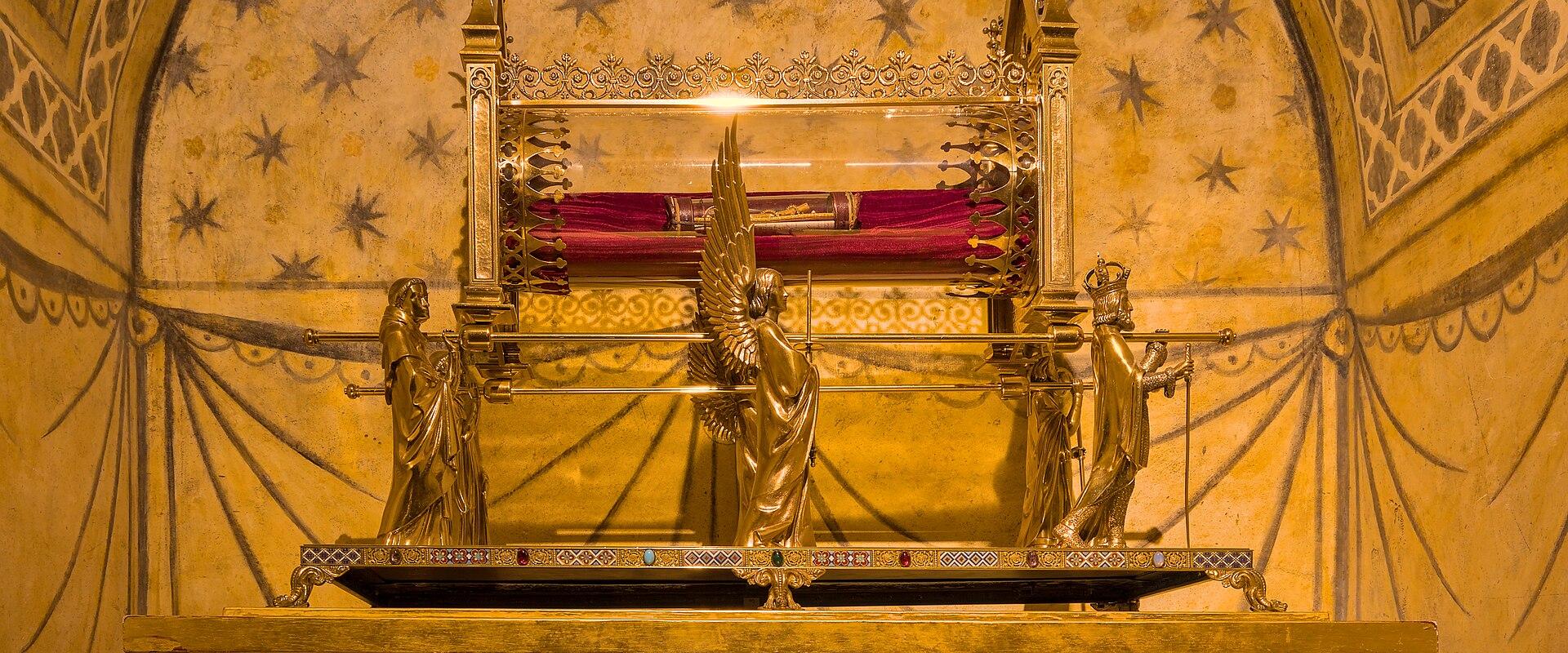
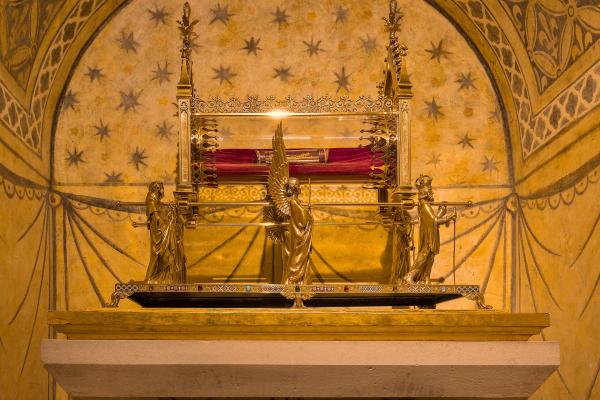
The building suffered during the wars of religion and the Revolution, and by the nineteenth century it was in poor condition. The architect Eugène Viollet-le-Duc led a major restoration between about 1840 and 1859, which saved the basilica and added some elements. Beneath the choir the crypt, a Carolingian structure, holds the reliquary of the Magdalene. The ruins of the monastic cloister and the chapter house, at the side of the church, can be reached from the church by the cloister gallery.
Entry is free and the basilica is open every day from early morning until evening. It is a place of worship, so visitors should be quiet, and group sizes may be limited. Allow one to two hours. The basilica suits anyone interested in medieval art, pilgrimage and architecture.
Categories
More photos coming soon
Hours & Fees
- Open
- Daily 8:00 AM to 8:00 PM
- Admission
- Free entry
Hours and prices change, especially out of season. Check with the venue before you go.
Nearby Attractions
Other places to visit in Vezelay
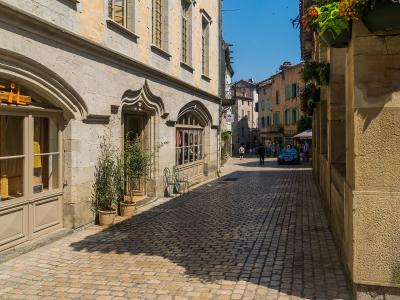
Place de la Halle
Vezelay market square below the UNESCO Basilica
Historic Towns · Squares
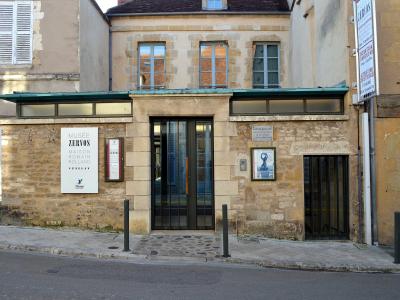
Musée de Vézelay
1000-year-old Romanesque basilica
Historic Architecture · Museums & Culture
Parc de la Vézelay
Millennium-old abbey and UNESCO village
Guided Experiences · Historic Architecture
Point de Vue du Mont Vézelay
UNESCO village basilica, starting point of the Second Cru...
Guided Experiences · Historic Architecture
Questions people ask
Quick Facts
Best Time to Visit
April to June and September to October offer mild weather and fewer crowds for optimal exploration.