







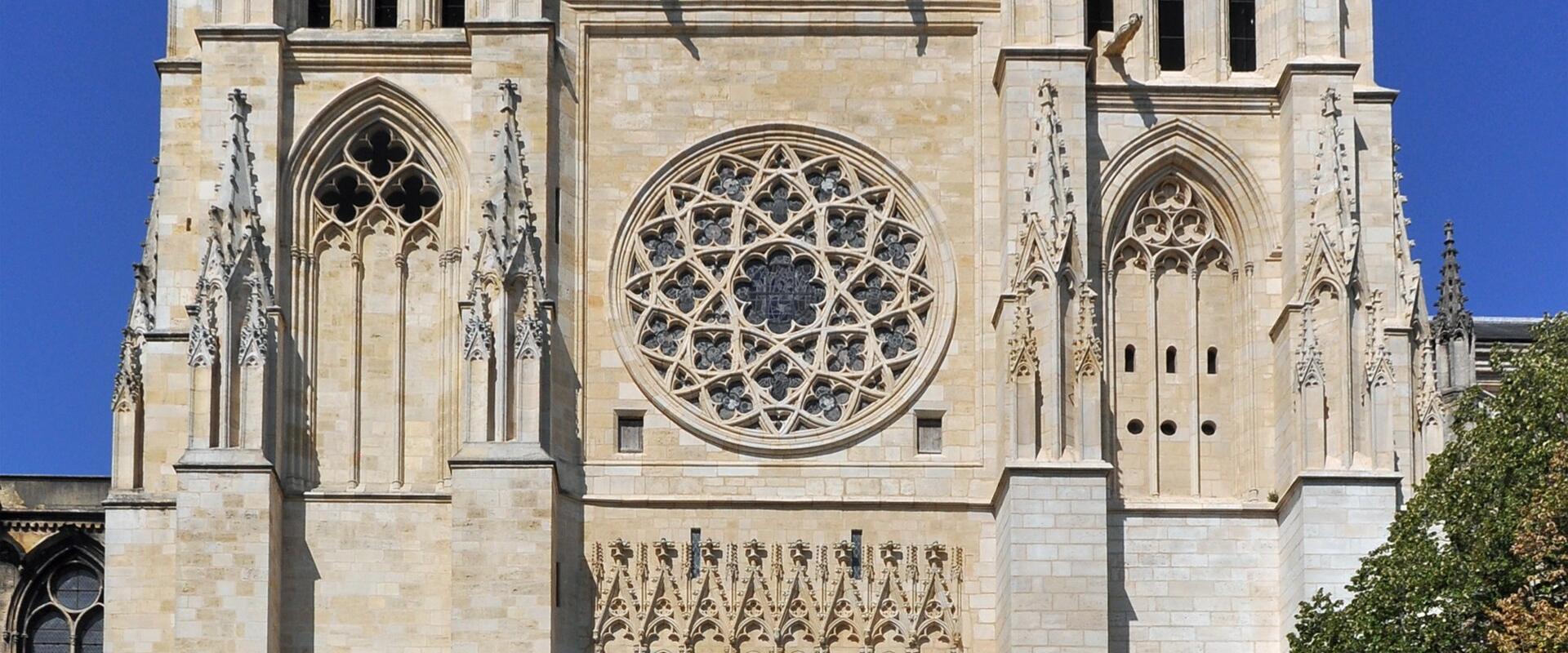
Bordeaux Cathedral (Cathédrale Saint-André)
UNESCO Gothic cathedral with freestanding bell tower
- Admission
- Free admission
- Hours
- Summer: Open daily until 19:30. Winter: Reduced hours, closing between 18:00–19:00 dependi...
- Where
- Bordeaux, Aquitaine
- Directions
- Directions
The Cathédrale Saint-André dominates the Place Pey-Berland in the centre of Bordeaux, next to the town hall in the former archbishop's palace, the Palais Rohan. It is a large Gothic church with a long and varied history, and it is listed by UNESCO twice, as part of the historic centre of Bordeaux, the Port of the Moon, and as one of the monuments on the pilgrim routes to Santiago de Compostela, since Bordeaux was a major stage on the way. The two slender spires that rise above the transept, about eighty metres high, are visible across the old city.
The cathedral was consecrated in 1096 by Pope Urban II, who was travelling in France to preach the First Crusade, and part of the original Romanesque church remains in the structure. Its fame also rests on royal weddings. In 1137, Eleanor of Aquitaine, heiress to one of the richest duchies in Europe, married the future Louis VII of France here, a marriage that was later annulled, after which she married Henry Plantagenet, the future Henry II of England. In 1615, Anne of Austria married Louis XIII in the cathedral. Such events show the importance of Bordeaux in medieval and early modern politics.
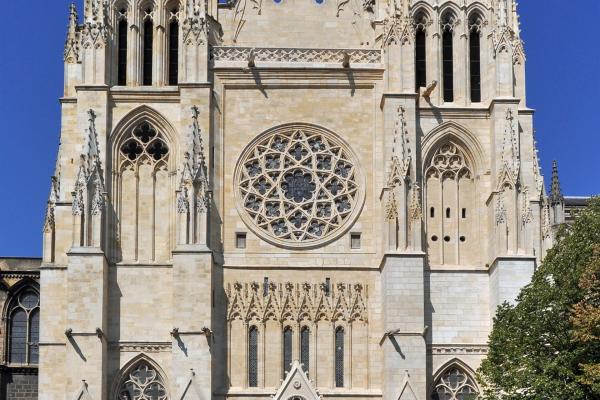
Most of what you see is Gothic, built in the thirteenth, fourteenth and fifteenth centuries, in a mixture of styles that reflects the long building period. The nave has a plain, broad design in the local tradition, and the choir is more elaborate, with tall windows and radiating chapels. The Royal Door on the north side, from the thirteenth century, has finely carved figures and scenes, including a Last Judgment, and is among the best-preserved sculptural programmes in the region. Inside, the building is light and airy, and the large expanse of stone creates a calm atmosphere.
The cathedral suffered during the Revolution, when it was stripped of its furnishings and used as a fodder store, and during the nineteenth century a fire caused further damage. Much of the interior has been restored and refurnished with items from other churches, including a fine fifteenth-century altarpiece. The bell tower is a separate building, the Pey-Berland Tower, built in the fifteenth century beside the church and topped by a gilded statue of Notre-Dame d'Aquitaine, and visitors can climb it for a panorama of Bordeaux. The separate tower is a distinctive feature, as bell towers were often kept apart from the main structure to protect it from vibration.
The cathedral is a short walk from most of the city's attractions. The Place de la Bourse and the Miroir d'eau, the Grand Théâtre, the Cours de l'Intendance and the Musée d'Aquitaine are close, and the tram stops at Hôtel de Ville, near the cathedral. Entry is free, and visits take about half an hour, longer if you climb the tower. It suits architecture and history enthusiasts and anyone exploring the historic centre. Opening hours vary by season, with longer hours in summer, so check locally.
Categories
More photos coming soon
Hours & Fees
- Open
- Summer: Open daily until 19:30. Winter: Reduced hours, closing between 18:00–19:00 depending on the.
- Admission
- Free admission
Hours and prices change, especially out of season. Check with the venue before you go.
Nearby Attractions
Other places to visit in Bordeaux
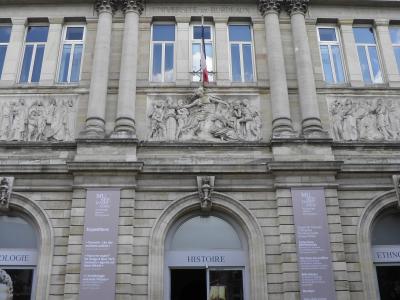
Musée d'Aquitaine
Historic museum of Bordeaux's 400,000-year heritage
Architectural Landmarks · History Museums
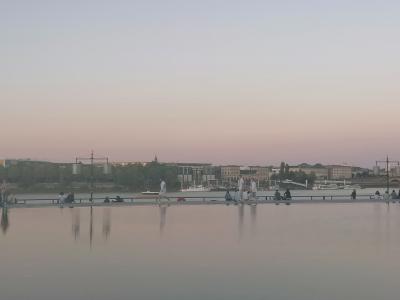
Miroir d'eau
World's largest reflecting pool on granite slab
Historic Architecture · Nature & Parks
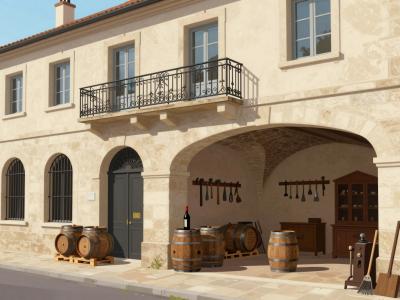
Bordeaux Wine Museum (Musée du Vin et du Négoce)
18th-century merchant house with guided wine tastings
Food & Wine · Historic Architecture
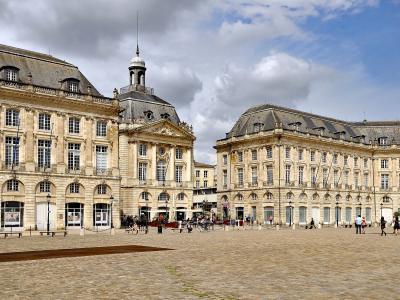
Place de la Bourse
18th-century royal square with iconic water mirror
Free Architectural Landmarks · City Centers
Questions people ask
Quick Facts
Best Time to Visit
May to June and September to October offer mild weather and fewer crowds for optimal exploration.