







- Admission
- Up to €17.50 depending on tour type
- Hours
- Open year-round; hours vary by season (e.g., 9:30 am–5:00 pm in winter, 9:00 am–8:00 pm in...
- Where
- Tours, Centre-Val de Loire
- Directions
- Directions
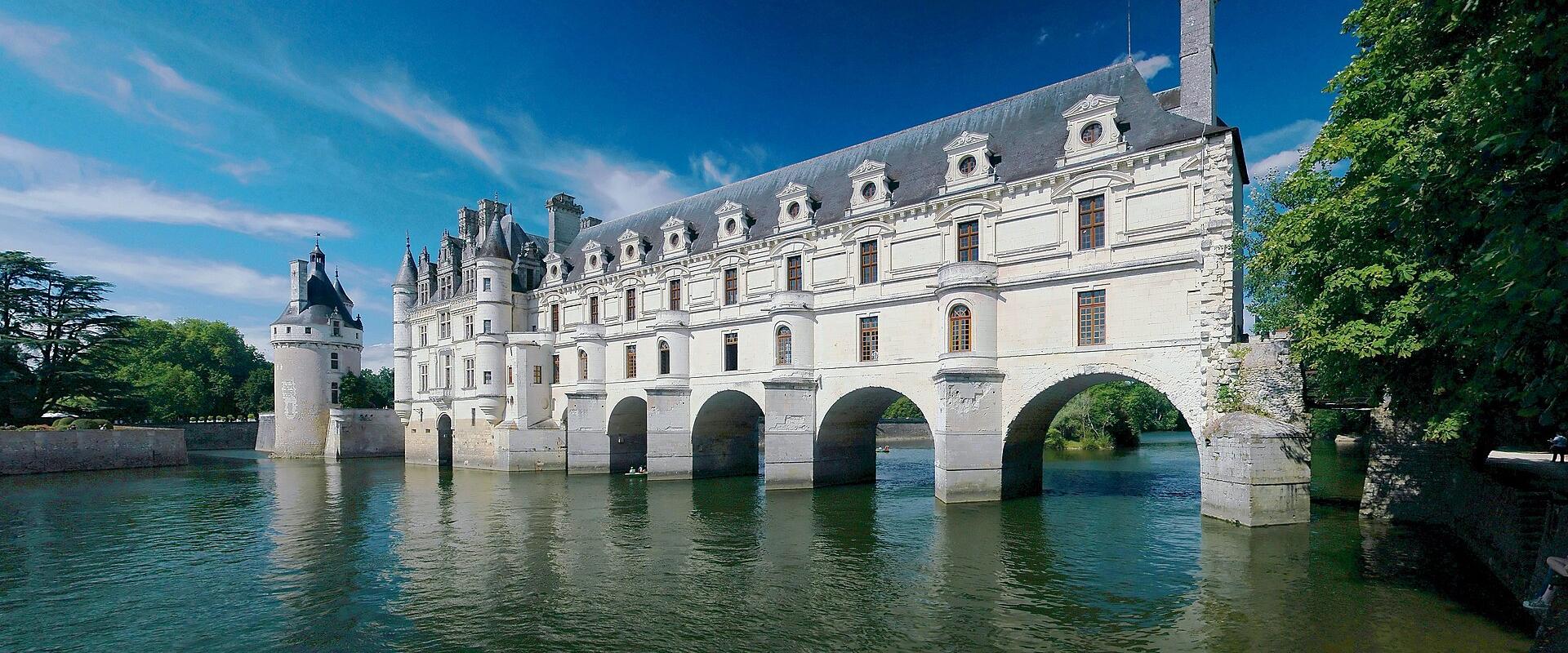
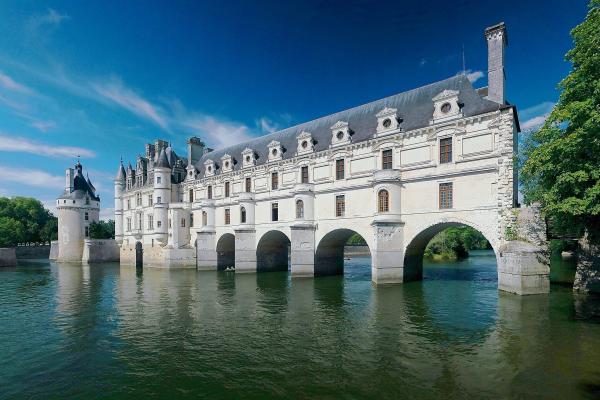
The Château de Chenonceau is one of the most famous castles of the Loire Valley, and the most unusual, because it does not stand beside a river but across it. Its long gallery rests on a bridge of arches over the Cher, so the building seems to float on the water, and the reflection in the river at the right light is one of the great views in France. It lies in the village of Chenonceaux, about thirty kilometres east of Tours, and is known as the Château des Dames, the Ladies' Castle, because its history was shaped by a succession of women.
The story begins in the early sixteenth century, when Katherine Briçonnet, the wife of the royal financier Thomas Bohier, supervised the building of the main square house on the foundations of an old mill, from about 1513. In 1547 King Henry II gave the château to his mistress Diane de Poitiers, who laid out a large formal garden and built the bridge across the river. When Henry died in 1559, his widow Catherine de' Medici forced Diane to leave in exchange for another castle and made Chenonceau her own. She laid out her own garden and, in the 1570s, built the two-storey gallery on top of the bridge, which she used for fêtes and receptions. Later, Louise of Lorraine, the widow of Henry III, withdrew here in mourning, and in the eighteenth century, Madame Dupin hosted writers and thinkers, including Rousseau, and saved the château during the Revolution.
In the twentieth century it served as a hospital during the First World War. During the Second World War, the Cher formed part of the demarcation line, and the gallery's door on the south bank led into the unoccupied zone, so it was used by the Resistance to help people to cross. Since 1913 it has been owned by the Menier family, the chocolate makers.
A visit covers the interiors, with their tapestries, furniture and paintings, the great kitchens in the piers of the bridge, the flower and vegetable gardens, the rival gardens of Diane and Catherine, a farm exhibition and the Dôme building, where exhibitions are held. The estate is open all year, with hours depending on the season, and tickets vary with the type of visit, whether self-guided or with an audioguide. Summer is busy, so arrive early and expect crowds at midday.
The château suits anyone visiting the Loire Valley, garden lovers and those interested in the role of women in French history. It is easy to reach by train from Tours and is a good day trip, together with Amboise and the other châteaux of the region.
More photos coming soon
Hours & Fees
- Open
- Open year-round; hours vary by season (e.g., 9:30 am–5:00 pm in winter, 9:00 am–8:00 pm in summer)
- Admission
- Up to €17.50 depending on tour type
Hours and prices change, especially out of season. Check with the venue before you go.
Nearby Attractions
Other places to visit in Tours
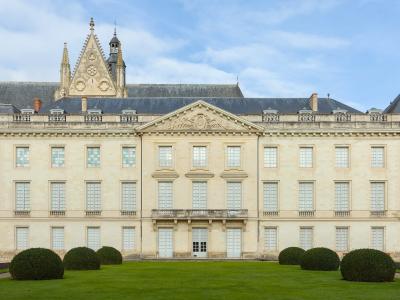
Musée des Beaux-Arts de Tours
18th-century palace housing masterpieces by Rembrandt and...
From €4.20 Art Museums · Palaces
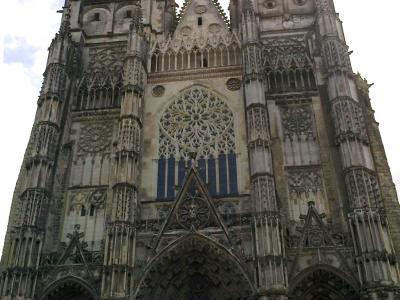
Cathédrale Saint-Gatien
16th-century organs and 13th-century rose windows
Free Architectural Landmarks · Churches
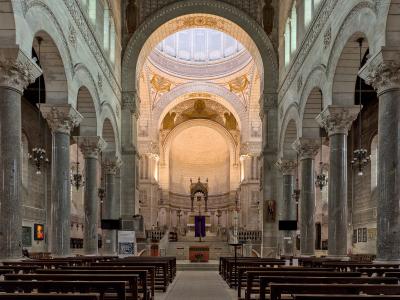
Basilique Saint-Martin
Roman-Byzantine basilica built over St. Martin's tomb
Free Historic Architecture · Museums & Culture
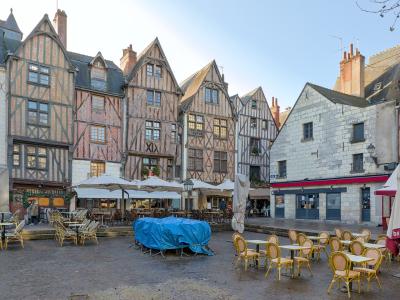
Place Plumereau
Historic square with timber-framed houses and Romanesque ...
City Centers · Historic Towns
Questions people ask
Quick Facts
Best Time to Visit
Mid-June to mid-September offers warm weather and ideal conditions for outdoor activities and sightseeing.