







- Hours
- Open Tuesday to Sunday
- Where
- Tours, Centre-Val de Loire
- Directions
- Directions
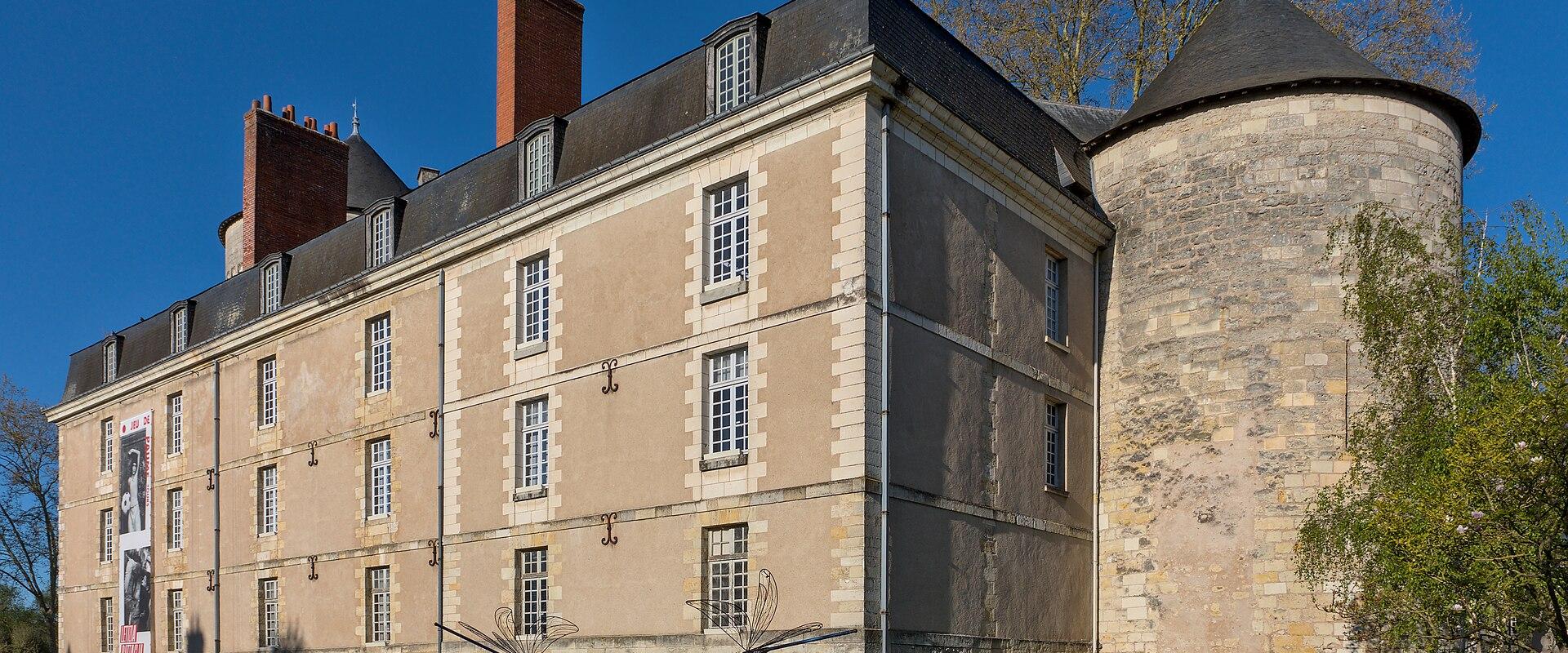
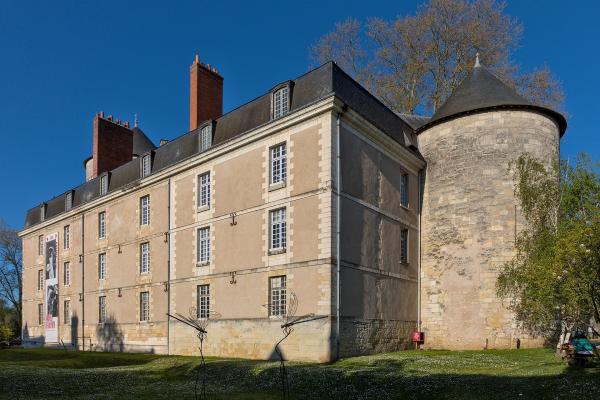
The Château de Tours stands on the bank of the Loire at the foot of the old town, and it is a modest relic of what was once a royal fortress. Unlike the great Renaissance châteaux of the Loire Valley nearby, such as Chenonceau or Amboise, this is a small ensemble of surviving buildings that now works as a place for exhibitions, so visitors come for what it shows as much as for what it is. The setting, close to the river and the lively Rue Nationale, makes it an easy stop in the middle of a visit to the city.
The castle dates back to the Middle Ages, when the counts of Anjou and Blois and later the kings of France used Tours as a stronghold on the Loire. Over the centuries it was rebuilt and altered, and by the nineteenth century most of it had been demolished or absorbed into the urban fabric. What remains are two main parts: the Tour de Guise, a tower of the thirteenth century, and the Logis des Gouverneurs, a residence built later, in the fifteenth century. The tower recalls a famous episode in 1591, when Charles de Guise, the young son of the murdered Duke of Guise, who had been held prisoner in the castle, escaped during the Wars of Religion. The setting of the buildings, with their stone, brick and slate roofs, is typical of the region.
Today the château's rooms are used for temporary exhibitions, in particular of contemporary art and photography, and they often present the work of major living artists in a historic setting. The contrast between the old stone walls and contemporary works is part of the appeal, and the exhibitions change several times a year, so a visit can be different each time. The site also has displays about its own history, explaining the transformation from fortress to cultural venue. The interior is arranged to be accessible, and the museum is open from Tuesday to Sunday, but times change with the season and with exhibitions, so check ahead.
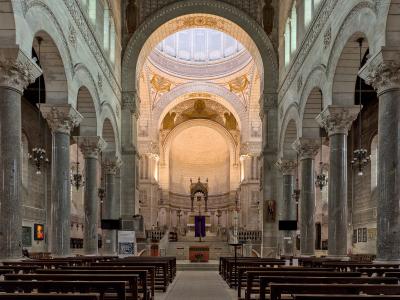
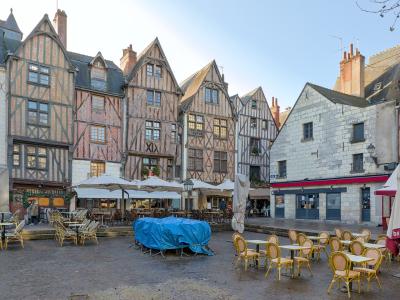
Tours has a long royal history of its own. The kings of France spent much time in the Loire Valley, and Louis XI lived at the nearby Château du Plessis-lès-Tours, while the Cathédrale Saint-Gatien and the Basilique Saint-Martin, which holds the tomb of the saint, represent the city's religious importance. The Place Plumereau, a square of timber-framed houses in the old quarter, is lively in the evening, and the Musée des Beaux-Arts, in the former archbishop's palace, has a fine collection. The Quartier des Halles market and the Parc de la Gloriette add to the choices, and the Château de Chenonceau and other great châteaux are within easy reach.
The château suits visitors interested in contemporary art and local history, and it makes a good stop on a stroll along the river. Allow about an hour, and combine it with the old town and the river walk. In summer, the quays are lively, with cafés and events, and the Loire à Vélo cycle route passes close by.
Categories
More photos coming soon
Opening Hours
- Open
- Open Tuesday to Sunday
Hours and prices change, especially out of season. Check with the venue before you go.
Nearby Attractions
Other places to visit in Tours
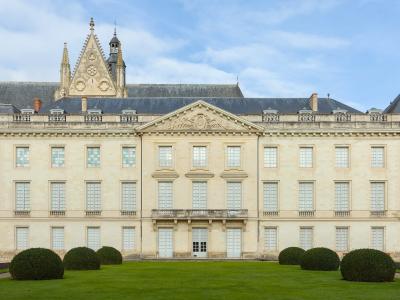
Musée des Beaux-Arts de Tours
18th-century palace housing masterpieces by Rembrandt and...
From €4.20 Art Museums · Palaces
Cathédrale Saint-Gatien
16th-century organs and 13th-century rose windows
Free Architectural Landmarks · Churches
Basilique Saint-Martin
Roman-Byzantine basilica built over St. Martin's tomb
Free Historic Architecture · Museums & Culture
Place Plumereau
Historic square with timber-framed houses and Romanesque ...
City Centers · Historic Towns
Questions people ask
Quick Facts
Best Time to Visit
Mid-June to mid-September offers warm weather and ideal conditions for outdoor activities and sightseeing.