







- Admission
- Free access to courtyard and fortification walls
- Hours
- 8:30 am to 8:00 pm
- Where
- Nantes, Pays de la Loire
- Directions
- Directions
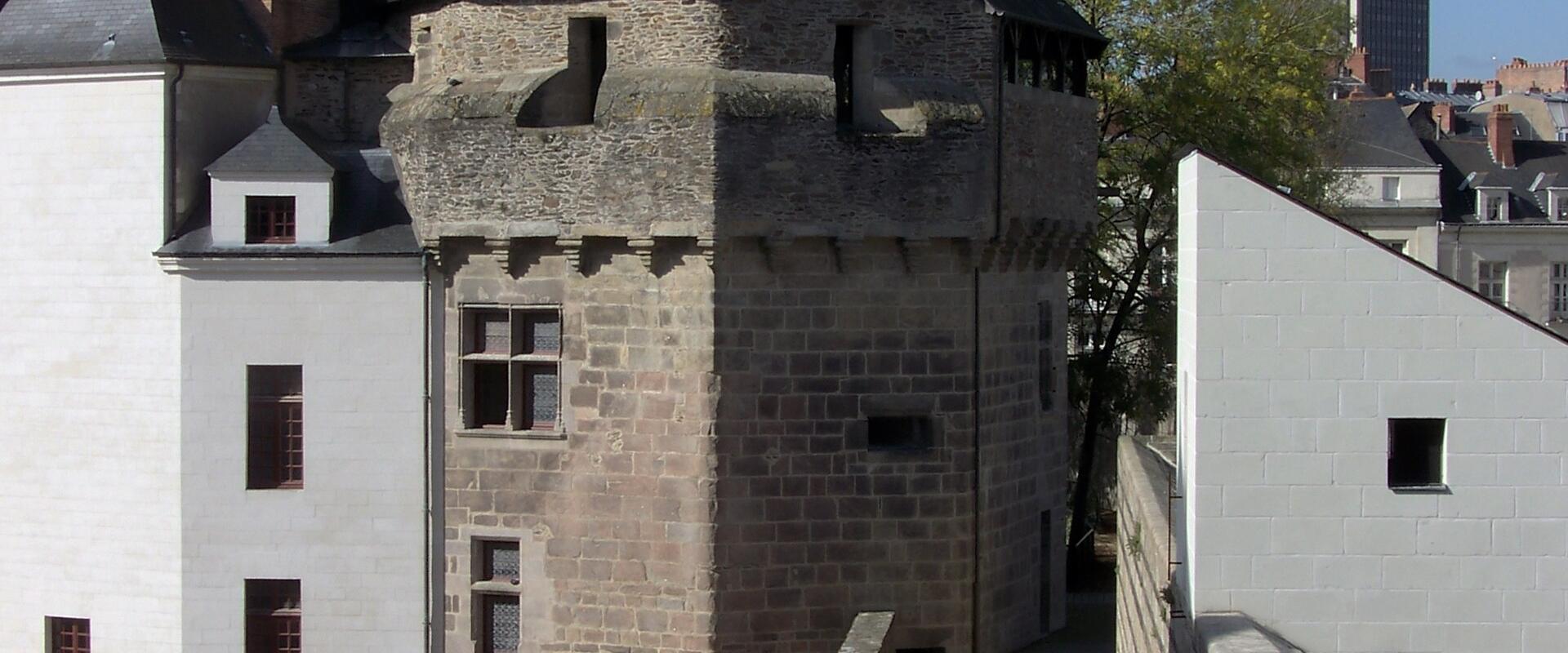
The Château des Ducs de Bretagne is a fortress and a palace in one, standing beside the old town of Nantes with its moat and white tuffeau walls rising from granite foundations. A fortress was first built here in the early thirteenth century by Guy of Thouars, but the castle seen today owes most to Francis II, the last independent Duke of Brittany, who began rebuilding it in 1466, and to his daughter Anne of Brittany, who continued the work. Anne became queen of France through two marriages, and the Golden Crown tower and the sculpted loggia of the ducal residence are among the details linked to her time.
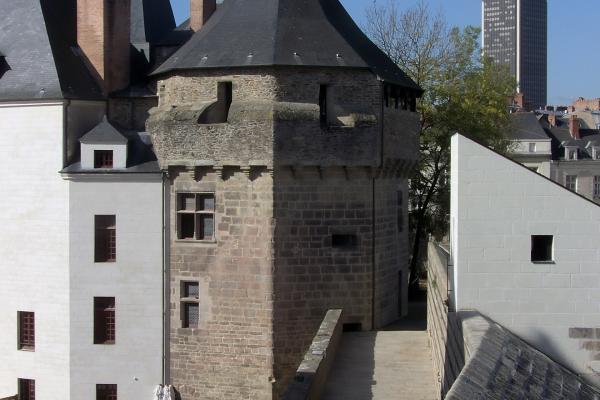
The contrast between the two halves of the castle is the interest. Facing the town, the walls and seven towers form a defensive curtain of about 500 metres, built in granite and schist and fitted with gun platforms for artillery. Inside the courtyard, the Grand Logis and the other ducal buildings are lighter in tone, made of pale tuffeau stone with the carved dormer windows and decoration of the late Gothic and early Renaissance. After Brittany was united with France in 1532, the castle became a royal residence, and later a barracks, arsenal and prison. In 1598 the Edict of Nantes, which granted limited rights to French Protestants, was signed here by Henri IV.
Today the castle houses the Musée d'histoire de Nantes, which uses objects, models and multimedia to follow the city's story from the Middle Ages to the present, including its role in the Atlantic slave trade, an aspect the museum treats directly. Separately from the castle, the Memorial to the Abolition of Slavery stands on the Loire quay a short walk away, and the two together give context to a city whose wealth was tied to that trade. Temporary exhibitions in the castle often deal with modern themes and with contemporary decolonial perspectives.
You can enter the courtyard and walk along the ramparts without a ticket, which makes a quick visit easy, though the museum rooms deserve a longer stay. Self-guided visits work well, and guided tours are offered for those who want the architecture explained. The castle sits close to the Cathédrale Saint-Pierre-et-Saint-Paul, so the two make a natural pair on a first afternoon in the city.
It suits history lovers, families who enjoy climbing walls and towers, and anyone who wants a grounded introduction to Nantes before heading to Les Machines de l'île or the Passage Pommeraye.
Categories
More photos coming soon
Hours & Fees
- Open
- 8:30 am to 8:00 pm
- Admission
- Free access to courtyard and fortification walls
Hours and prices change, especially out of season. Check with the venue before you go.
Nearby Attractions
Other places to visit in Nantes
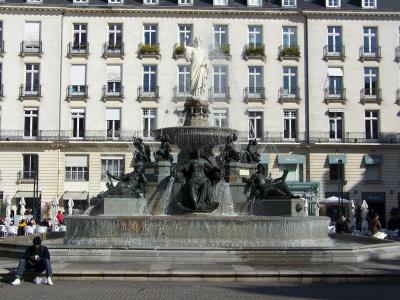
Place Royale
Neoclassical square with 1865 Loire fountain
Free Historic Architecture · City Centers
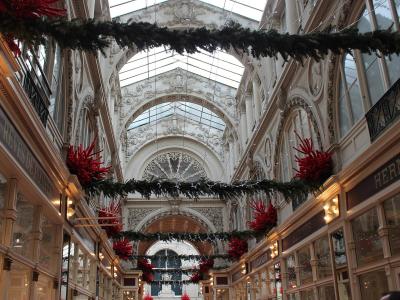
Passage Pommeraye
1843 glass-domed commercial passage with Renaissance scul...
Free Historic Architecture · Urban Exploration
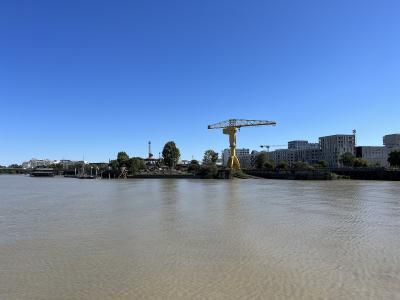
Île de Nantes
Île de Nantes: urban island with contemporary architecture
Historic Architecture · Museums & Culture

La Machine de l'Île - The Grand Éléphant
12m mechanical elephant ride in Nantes
Museums & Culture · Urban Exploration
Questions people ask
Quick Facts
Free access to courtyard and fortification walls
Best Time to Visit
June to September offers warm weather and ideal conditions for outdoor activities and park exploration.