







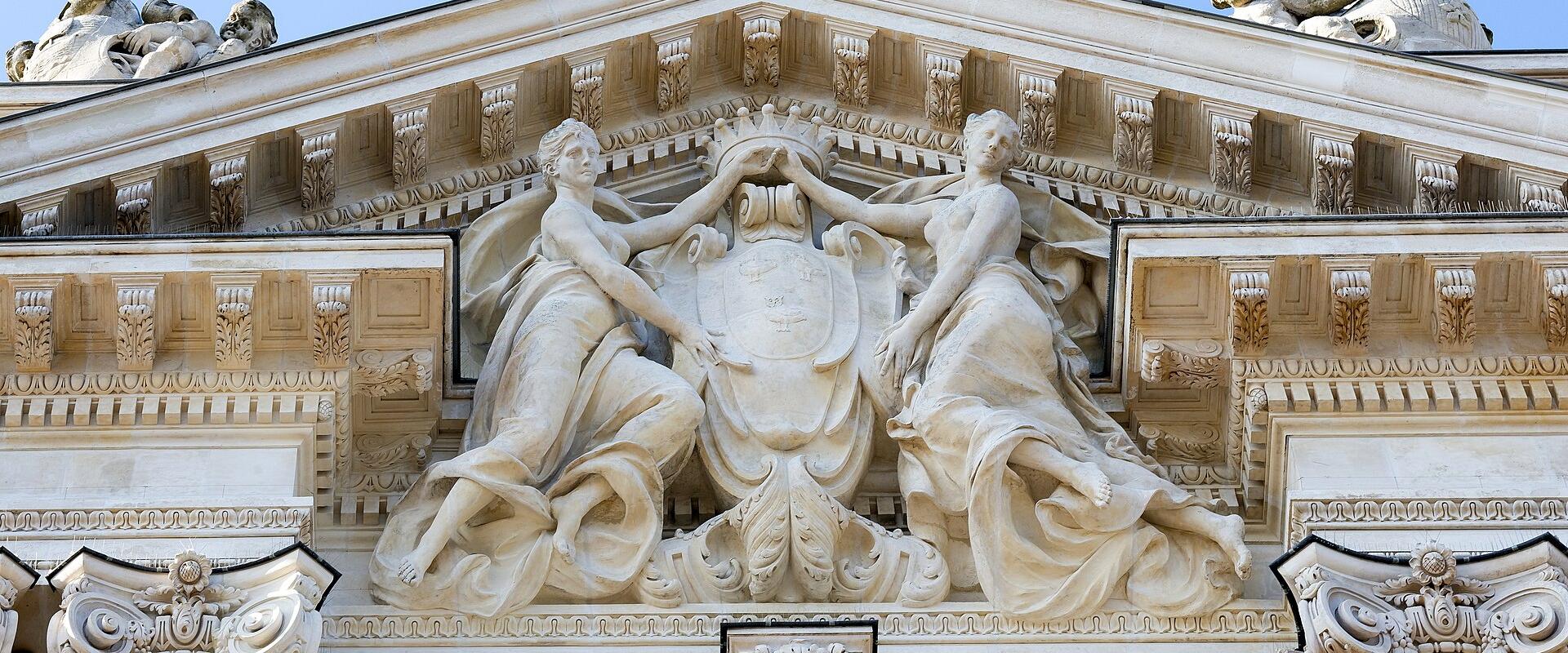
Nantes, situated in the Loire-Atlantique department of western France, is a city of striking contrasts, where medieval history meets futuristic imagination. Historically, Nantes was the capital of the Duchy of Brittany and a major port involved in the triangular trade, a complex history reflected in the city's architecture, museums and memorials, including a memorial to the abolition of slavery on the quay. Edict of Nantes, which granted limited rights to French Protestants, was signed here in 1598. The Château des Ducs de Bretagne, with origins in the Middle Ages but largely rebuilt in the 15th century by Duke Francis II and his daughter Anne of Brittany, now houses the Museum of Nantes History. The castle's grounds offer a peaceful retreat, while the surrounding old town features narrow streets, half-timbered houses and the Passage Pommeraye, a 19th-century shopping arcade with glass roofs and ironwork. The city's maritime heritage is also celebrated at the Musée de l'Île de Nantes, which explores the history of shipbuilding and navigation.
In recent years, Nantes has gained international recognition for its innovative cultural projects, particularly Les Machines de l'île. This creative park, located on the Île de Nantes, features the famous Grand Éléphant, a massive mechanical elephant that walks through the park and sprays water from its trunk. Visitors can also ride on the back of the elephant or explore other mechanical creations, such as the Carrousel des Mondes Marins, which features life-sized sea creatures. The park reflects the city's commitment to blending art, technology and imagination. Another key attraction is the Voyage à Nantes, a city-wide art trail that connects various cultural sites and installations, encouraging visitors to explore the city on foot or by bike. The city is also known as a green city, named European Green Capital in 2013, with numerous green spaces, including the Parc de Procé and the Jardins des Plantes. Other sites include the Cathédrale Saint-Pierre-et-Saint-Paul, a Gothic building completed in the 19th century that holds the carved tomb of Francis II, the Place Royale with its fountain, the Théâtre Graslin and the Musée d'Arts de Nantes, which reopened after extensive renovation.
Nantes is a gateway to the Loire Valley, with easy access to nearby châteaux such as Clisson and Serrant. The city itself offers a vibrant cultural scene, with museums like the Musée des Beaux-Arts and the Musée d'Histoire Naturelle. The Estuaire, a contemporary art trail along the Loire River estuary, connects Nantes to Saint-Nazaire, featuring large-scale sculptures and installations. The city's culinary scene is equally impressive, with a focus on fresh seafood and local produce, including the white butter sauce, beurre blanc, and the Muscadet wines of the surrounding vineyards. The covered market of Talensac is a popular place where visitors can sample local specialties. Nantes also hosts various festivals throughout the year, including the Voyage à Nantes festival and the Nantaise Festival, which attract international artists and audiences.
Getting to Nantes is convenient via train, with TGV services connecting it to Paris in about two hours, Lyon and other major French cities. The train station is located close to the city center, making it easily accessible, and a tram network serves the city. For those traveling by car, Nantes is connected by the A83 and A87 motorways, as well as the A11 from Paris. The best time to visit is from June to September, when the weather is warm and pleasant, ideal for outdoor activities and exploring the parks. July and August are the warmest months, with average highs around 25°C, but also the busiest. Spring and autumn offer milder weather and fewer crowds, making them suitable for sightseeing and walking tours. Winter is cooler and wetter, but the city retains a cozy atmosphere with indoor museums and cafes.
Best time to visit
June to September offers warm weather and ideal conditions for outdoor activities and park exploration.
What to see in Nantes
Our picks first.
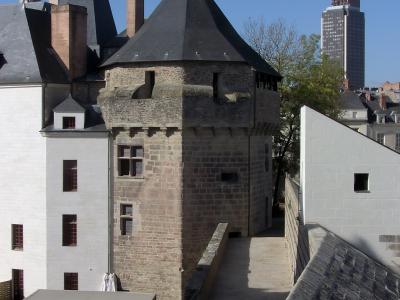
Château des Ducs de Bretagne
15th-century ducal fortress and history museum
Free Castles · Heritage Trails
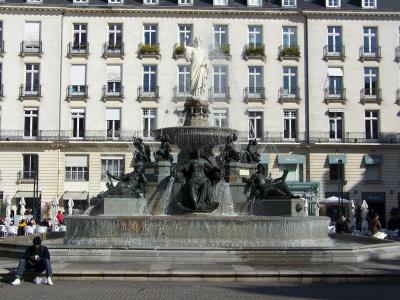
Place Royale
Neoclassical square with 1865 Loire fountain
Free Historic Architecture · City Centers
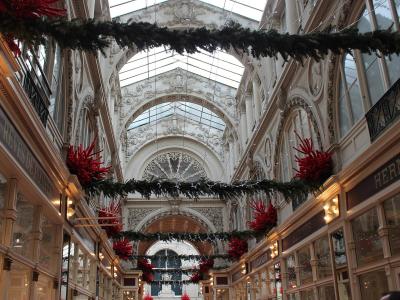
Passage Pommeraye
1843 glass-domed commercial passage with Renaissance scul...
Free Historic Architecture · Urban Exploration
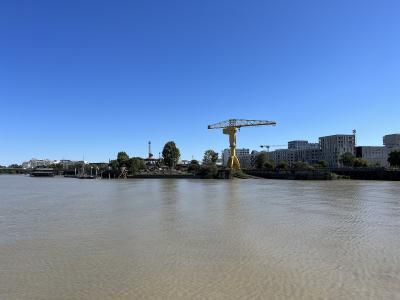
Île de Nantes
Île de Nantes: urban island with contemporary architecture
Historic Architecture · Museums & Culture
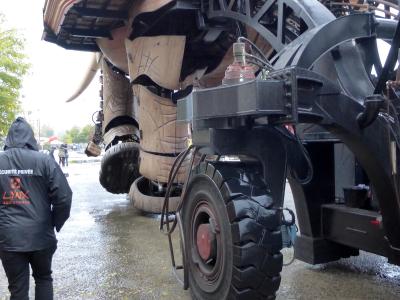
La Machine de l'Île - The Grand Éléphant
12m mechanical elephant ride in Nantes
Museums & Culture · Urban Exploration
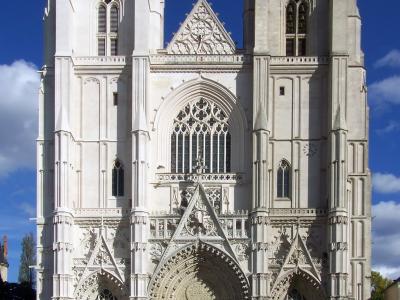
Cathédrale Saint-Pierre-et-Saint-Paul
Renaissance and Gothic cathedral with white Breton stone
Free Historic Architecture · Churches
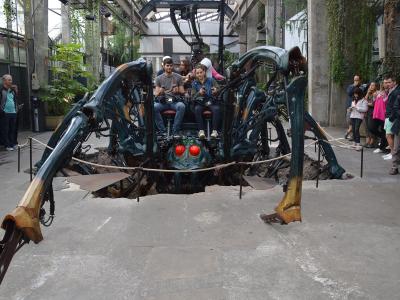
Les Machines de l'île
Steampunk mechanical animals in a former shipyard
Museums & Culture · Urban Exploration
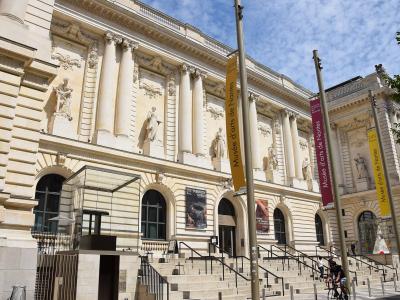
Musée d'Arts de Nantes
Nine-century art in historic and modern spaces
From €9 Art Museums · Palaces
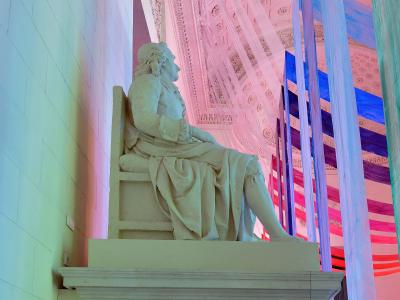
Bouffes Nantaises
19th-century theater in Nantes
Museums & Culture
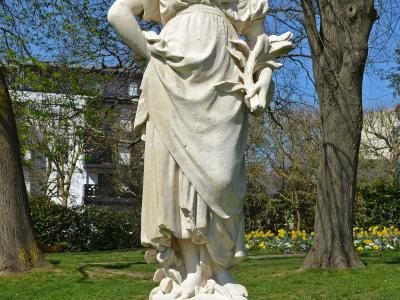
Parc de Procé
English-style park with notable trees in Nantes
Historic Architecture · Nature & Parks
Nantes by interest
The same sights, grouped by what you came for.
Did you know?
Checked facts about Nantes, each with its source.
-
History
Nantes Has a Second Local Claim
Known as the historic capital of Brittany, it blends rich maritime history with futuristic innovation.
Source: Nantes - Wikipedia -
Notable Person
Jules Verne's Hometown Built His Dreams in Steel
Nantes is the birthplace of Jules Verne, the visionary author of "Twenty Thousand Leagues Under the Sea," born here on February 8, 1828. Today the city honors him at Les Machines de l'île, an attraction on the former shipyards that fuses Verne's "Invented Worlds" with Leonardo da Vinci's mechanical universe and Nantes' industrial past. Its star is the Grand Elephant, a 12-metre-tall mechanical giant of wood and steel weighing over 48 tons that carries up to 50 passengers on a stroll through the island park on the Loire.
Source: Les Machines de l'île
Planning a visit to Nantes
Good to know
- Currency
- EUR
- Language
- French
Quick Facts
Book your stay
Questions people ask
More places in Pays de la Loire
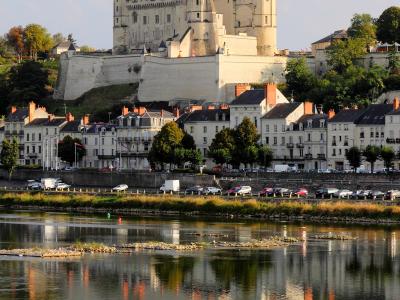
Pays de la Loire
Saumur
Loire Valley town known for castle, horses, and wine
Pays de la Loire
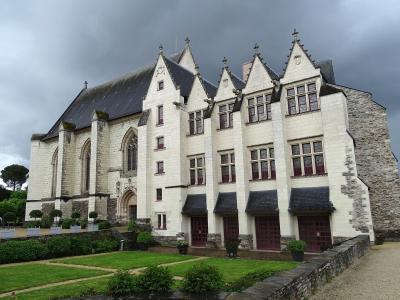
Angers
Historic Anjou capital with Apocalypse Tapestry and medieval castle
Pays de la Loire
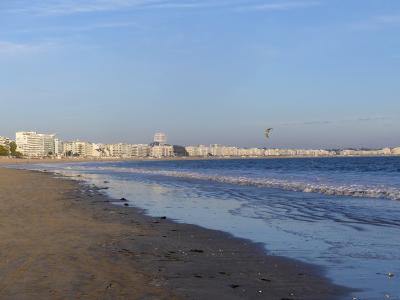
La Baule
Chic Atlantic resort with 8km sandy beach and Art Deco villas
Pays de la Loire
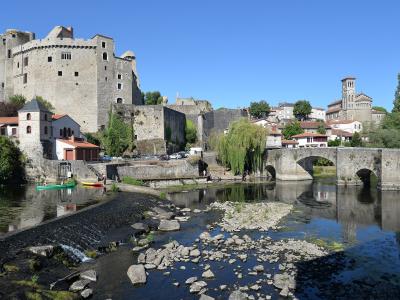
Clisson
Italianate river town of Muscadet country, rebuilt after the Vendée wars