







- Where
- Valence, Rhône-Alpes
- Directions
- Directions
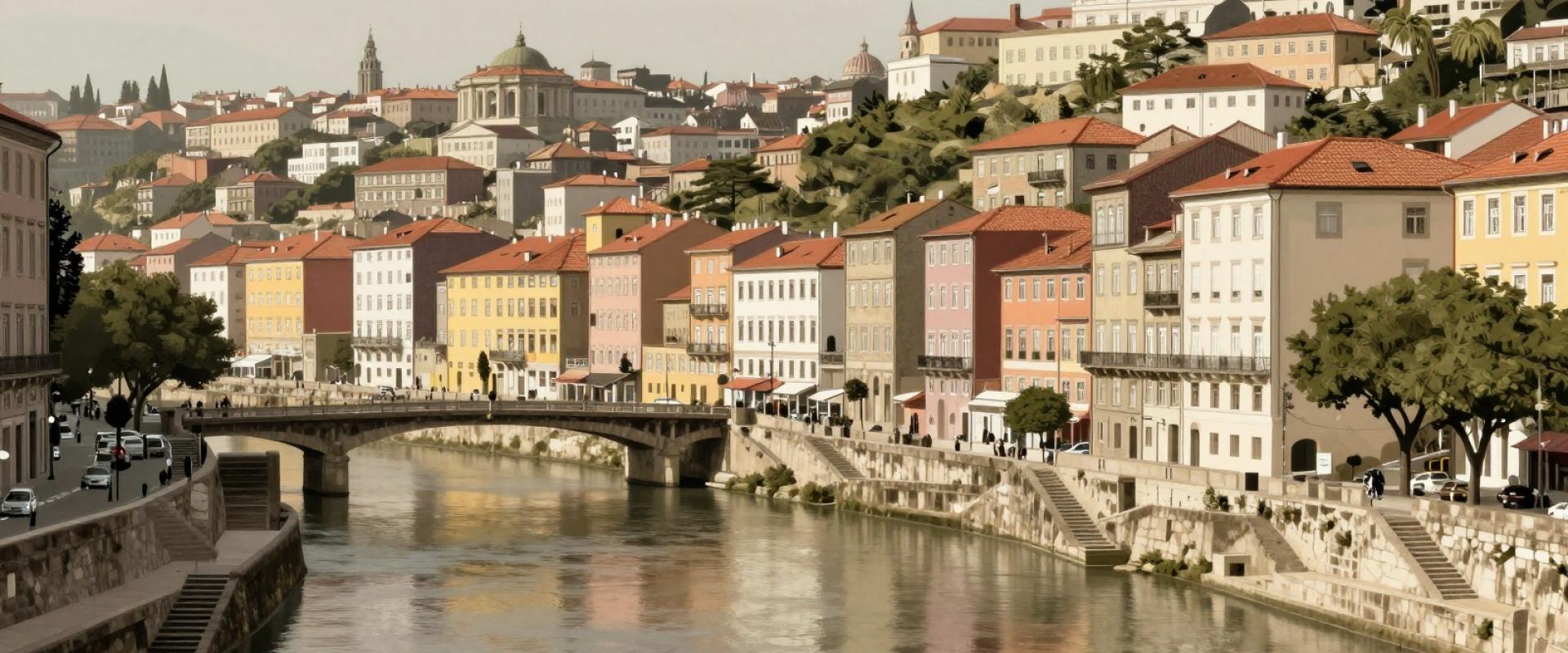
Valence sits on the east bank of the Rhône, at the point where the river valley widens and the first hills of the Provençal south begin to appear, and any high point around the city gives a good sense of its setting. The Colline de la Croix is one of those viewpoints, a hill from which the city's roofs, the river and the surrounding country spread out below. The view is shaped by the geography that made Valence an important crossing point for over two thousand years.
The city is built on terraces that rise from the river. The lowest is the riverbank, where the Parc Jouvet and the quays run beside the water. Above it lies the old town, with the Cathédrale Saint-Apollinaire, a Romanesque church consecrated in 1099 by Pope Urban II, whose pale stone and square tower rise above the roofs. Higher still stretch the newer districts and boulevards. From a hilltop, the pattern is clear, and the river and the long railway line show how the valley has served as a route between the north and the Mediterranean.
The views take in more than the city. To the east, the great limestone wall of the Vercors massif rises on the horizon, often snow-capped in winter and spring, and to the west, across the Rhône, lie the hills of the Ardèche, with the ruined castle of Crussol perched on a ridge above the town of Saint-Péray. The Rhône itself, wide and powerful, runs south towards Provence, carrying barges and the trains of the valley line along its banks. On clear days, the light has a Mediterranean quality that signals the approach of the south, and Valence is often described as the gateway to Provence.
The city has a rich past. It was a Roman colony and a stage on the Via Agrippa, the great road that ran along the Rhône, and in the Middle Ages it was a bishopric and a university town. The young Napoleon Bonaparte was posted here as an artillery officer in 1785 and lived in the town for a time, and a plaque and a house recall his stay. The old centre has the Maison des Têtes, a Renaissance building from the sixteenth century decorated with carved heads, and the Pendentif, a curious funerary monument of the seventeenth century in the form of a dome on four arches. The Place Gambetta, the Théâtre de Valence and the lanes of the old town provide pleasant strolls, and the Parc de l'Île de Mars offers green space by the river.
A walk up a hill suits those who like a view with their sightseeing, and it works best in the late afternoon, when the light softens and the Vercors takes on colour. Wear sturdy shoes, since paths may be uneven, and bring water in summer. Ask at the tourist office for the best route and for a map of walks in the area. The viewpoint suits walkers, photographers and anyone wanting to understand Valence's position between mountains and river.
Categories
More photos coming soon
Nearby Attractions
Other places to visit in Valence
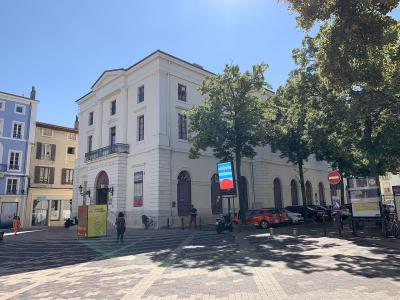
Théâtre de Valence
1837 Italian-style theatre in Valence
Museums & Culture
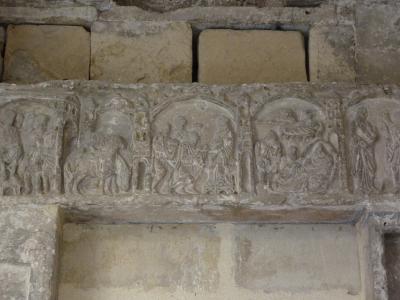
Cathédrale Saint-Apollinaire
Valence's oldest monument, listed historic site
Churches · Historic Towns
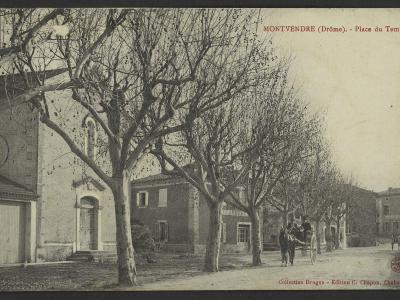
Bastide de Montvendre
Historic bastide in Montvendre, Drome
Gardens · Villages
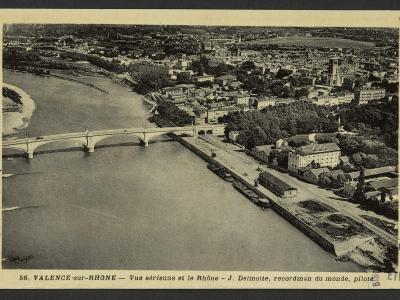
Parc de l'Île de Mars
Island park on the Rhône River in Valence
Nature & Parks
Questions people ask
Quick Facts
Best Time to Visit
April to June and September to October offer mild weather and fewer crowds for optimal exploration.