







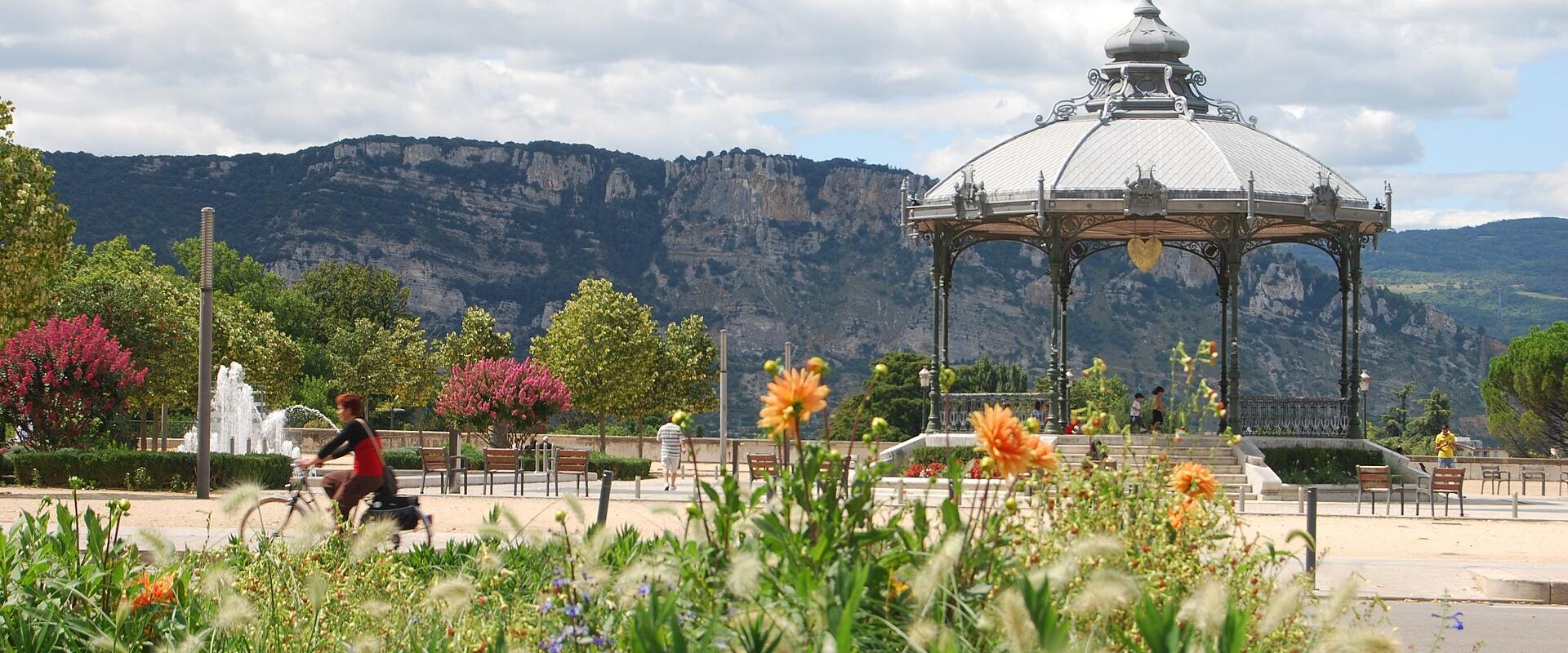
Valence, located in the Drôme department of the Auvergne-Rhône-Alpes region, is a city with deep historical roots and a dynamic modern identity. Situated on the left bank of the Rhône River, it has been an important settlement since Roman times, known as Valentia. The city served as a key stop on the Via Agrippa, the Roman road connecting Italy to the Atlantic. This Roman heritage is visible in various archaeological sites and the layout of the old town. During the Middle Ages, Valence became the seat of the Bishops of Valence, who wielded significant political power in the region. The city's history is marked by its strategic location on the Rhône, which facilitated trade and cultural exchange, and the young Napoleon Bonaparte trained here as an artillery officer. The Cathedral of Saint Apollinaire, a prominent landmark, reflects the city's religious and architectural evolution, featuring a mix of Romanesque and Gothic styles; it was consecrated in 1095 by Pope Urban II.
The main attractions in Valence include the Cathedral of Saint Apollinaire, the oldest monument in the city. The House of Heads (Maison des Têtes) is a notable Renaissance building adorned with sculpted heads, symbolizing the city's artistic heritage. The Peynet Kiosk, a whimsical structure dedicated to the famous French cartoonist Raymond Peynet, adds a touch of modern charm to the city; his Lovers have become a symbol of Valence. The Musée de Valence offers a comprehensive overview of the region's history, from prehistoric times to the present, with exhibits on archaeology, fine arts and local traditions, and it holds a famous collection of red chalk drawings by Hubert Robert. The city also features the Jardin des Plantes, a botanical garden that provides a peaceful retreat, while the Champ de Mars and Parc Jouvet offer green space close to the river. Other places worth a look include the Place Gambetta, a central square, the Colline de la Croix, a hill with views, the Marché des Halles, a covered market, and the Théâtre de Valence, the city's main cultural venue.
Valence is a gateway to the surrounding natural and cultural attractions. The Ardèche Gorges, often called the 'Grand Canyon of Europe,' are a short drive away, offering spectacular landscapes for hiking, canoeing and rock climbing. The Drôme Provençale, known for its lavender fields and hilltop villages, is another popular destination, as is the ruined castle of Crussol on a ridge across the river. The city itself offers a lively atmosphere with numerous cafes, restaurants and shops. The Rhône River provides opportunities for walking and cycling along its banks, on the ViaRhôna cycle route. Valence also hosts various festivals and events throughout the year, including the Valence Jazz Festival and the Fête de la Musique, and the wine villages of Tain-l'Hermitage and Saint-Péray are a short drive.
Getting to Valence is convenient via train, with TGV services connecting it to Paris, Lyon and Marseille, though the TGV station lies a few kilometres east of the city and a separate city-centre station is served by regional trains. The train station is located close to the city center, making it easily accessible. For those traveling by car, Valence is connected by the A7 and A49 motorways. The best time to visit is from April to June and September to October, when the weather is mild and pleasant, ideal for exploring the city and the surrounding countryside. July and August are hot and busy, suitable for those who enjoy summer activities but may encounter larger crowds. Spring and autumn offer milder weather and fewer crowds, making them suitable for sightseeing and outdoor activities. Winter is cooler and quieter, offering a serene atmosphere for indoor museum visits.
Best time to visit
April to June and September to October offer mild weather and fewer crowds for optimal exploration.
What to see in Valence
Our picks first.
Colline de la Croix
Panoramic viewpoint of Valence and the Rhône
Nature & Parks
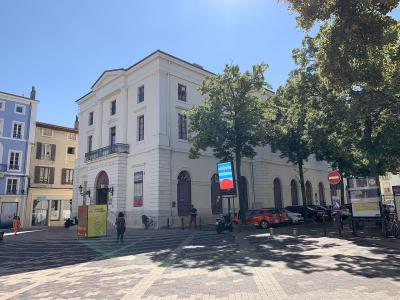
Théâtre de Valence
1837 Italian-style theatre in Valence
Museums & Culture
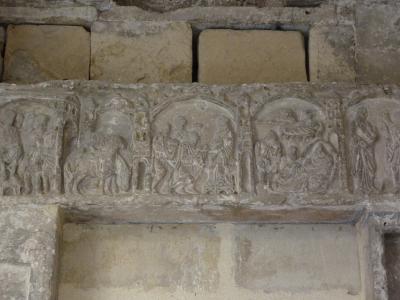
Cathédrale Saint-Apollinaire
Valence's oldest monument, listed historic site
Churches · Historic Towns
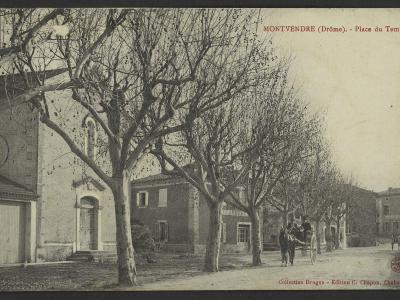
Bastide de Montvendre
Historic bastide in Montvendre, Drome
Gardens · Villages
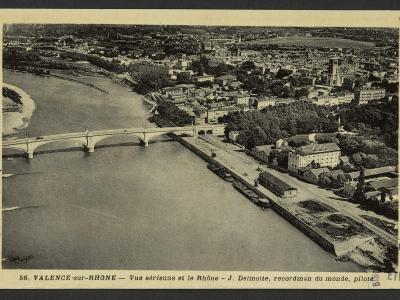
Parc de l'Île de Mars
Island park on the Rhône River in Valence
Nature & Parks
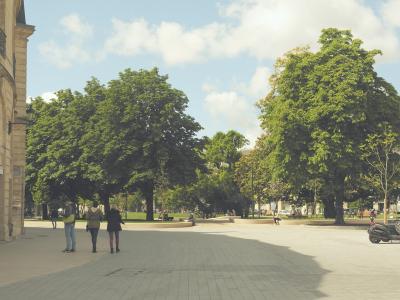
Place Gambetta
Central square with historic architecture
Squares
Valence by interest
The same sights, grouped by what you came for.
Did you know?
Checked facts about Valence, each with its source.
-
Notable Person
Pope Pius VI Died in Valence
Pope Pius VI, a significant religious figure, died in Valence, Drôme, France. He is listed alongside writer Driss Chraïbi as one of the most famous individuals associated with the city's history.
Source: pantheon.world
Planning a visit to Valence
Good to know
- Currency
- EUR
- Language
- French
Quick Facts
Book your stay
Questions people ask
More places in Rhône-Alpes
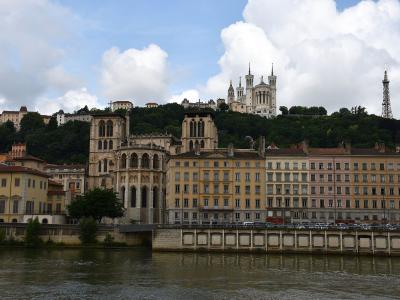
Rhône-Alpes
Lyon
Historic capital of Gaul and France's gastronomic capital
Rhône-Alpes
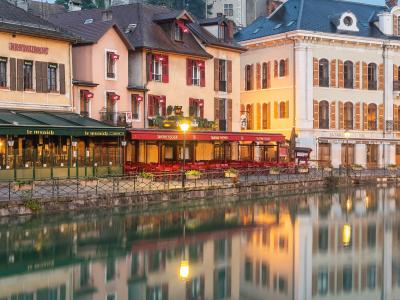
Annecy
Alpine lake town with canals and medieval old town
Rhône-Alpes
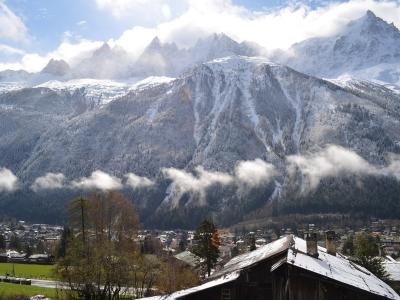
Chamonix
Alpine gateway to Mont Blanc with world-class skiing and hiking
Rhône-Alpes
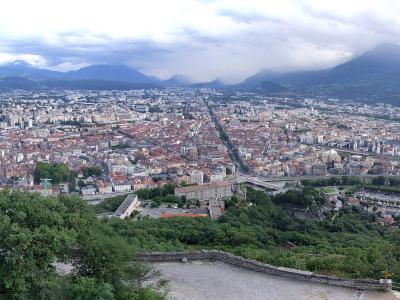
Grenoble
Alpine gateway city with Bastille fortress and cable car