







- Where
- Pont-aven, Brittany
- Directions
- Directions
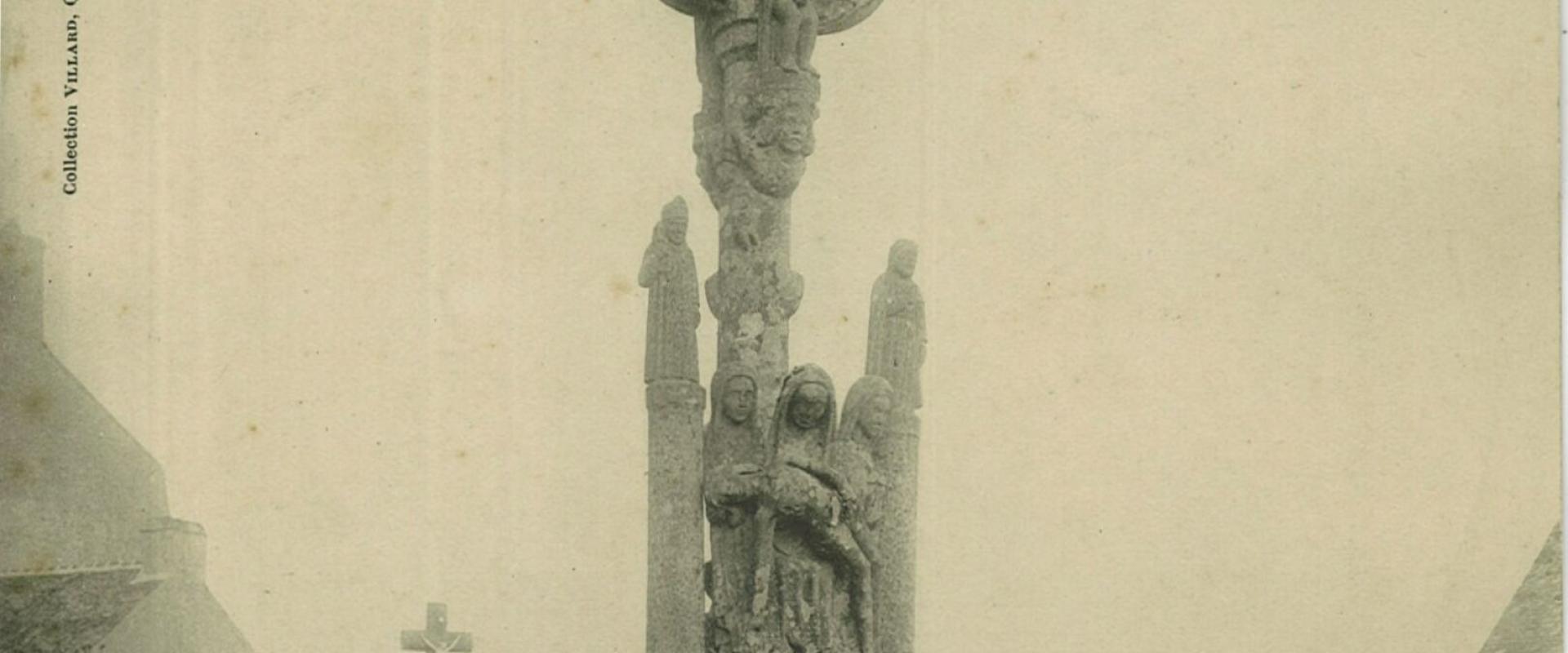
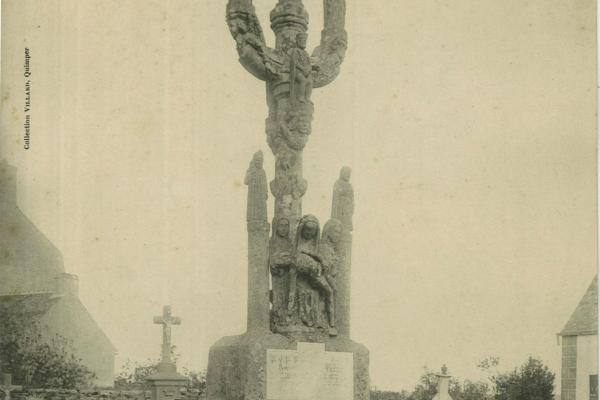
In Brittany, a cross at the edge of a cemetery or a churchyard is more than a marker. The region is famous for its calvaries, monumental stone crosses carved with figures from the Passion of Christ, which stand in village squares and enclosed parish closes, particularly in Finistère, and which were put up mostly in the fifteenth, sixteenth and seventeenth centuries. The cross in the cemetery of Pont-Aven belongs to this tradition, and it adds a layer of old Breton faith to a town that most people know for its painters.
Breton calvaries are carved in granite, a hard stone, which the sculptors worked with simple tools. The oldest are plain crosses with a figure of Christ, while the great calvaries of the parish closes have dozens of figures arranged on platforms around the cross, showing the story from the Last Supper to the Resurrection, with soldiers, saints and the thieves crucified beside Christ. Cemetery crosses are generally simpler, and they stand at a central spot among the graves as a place for prayer and processions. Breton cemeteries are quiet, with granite tombs, flowers and, on All Saints' Day in November, thousands of chrysanthemums, as the families come to honour their dead.
The Pont-Aven painters were struck by these monuments. In 1889 Paul Gauguin painted The Green Christ, also called the Breton Calvary, inspired by the sixteenth-century calvary of Nizon, a village about two kilometres from Pont-Aven. A flattened design, simplified shapes and strong colours made it a landmark of the new style, and it shows how the stone sculptures of Brittany fed the artists' imagination. His Yellow Christ was inspired by a wooden crucifix in the chapel of Trémalo, a short walk from the town, and the setting of the chapel, on a hill among fields, is a pleasant walk. Anyone who wants to see the sources of Gauguin's work will find them in the stone and wood of the nearby churches and chapels.
The cemetery of Pont-Aven is a place for a brief and respectful visit. It is open to the public, and the cross can be seen in a few minutes. Keep quiet, stay on the paths, and take care not to disturb mourners. The cemetery is a small part of the history of the town and its surroundings, which can be explored in more detail at the other places on the walk.
In Pont-Aven, the Musée des Beaux-Arts, the Maison des Sculpteurs, a gallery of sculpture, and the river walk along the Aven are close by, and the beach of Le Pouldu is a short drive. The cross suits those interested in Breton religious art and in the background of Gauguin and his friends.
Categories
More photos coming soon
Nearby Attractions
Other places to visit in Pont-aven
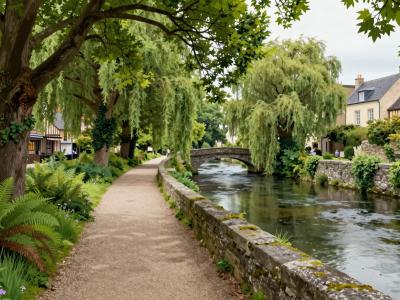
Pont-Aven River Walk
Scenic walk along the Aven River in historic Brittany
Historic Towns · Rivers & Lakes
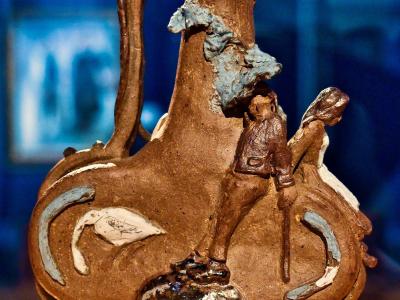
Musée des Beaux-Arts de Pont-Aven
1985 museum of Pont-Aven School Post-Impressionism
From $5.73 Art Museums · Historic Towns
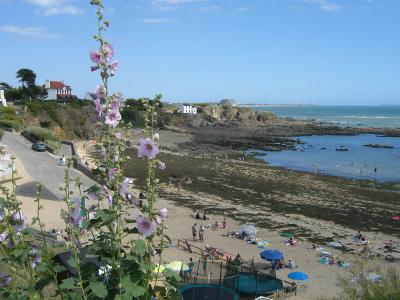
Le Pouldu Beach
Sandy beach near Pont-Aven's art district
Free Beaches · Coastal Promenades
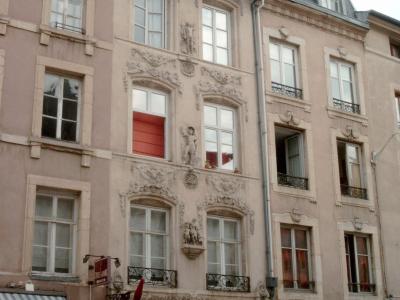
La Maison des Sculpteurs
19th-century sculpture museum in Pont-Aven
Museums & Culture
Questions people ask
Quick Facts
Best Time to Visit
Late June to early September offers warm weather and ideal conditions for outdoor activities and sightseeing.