







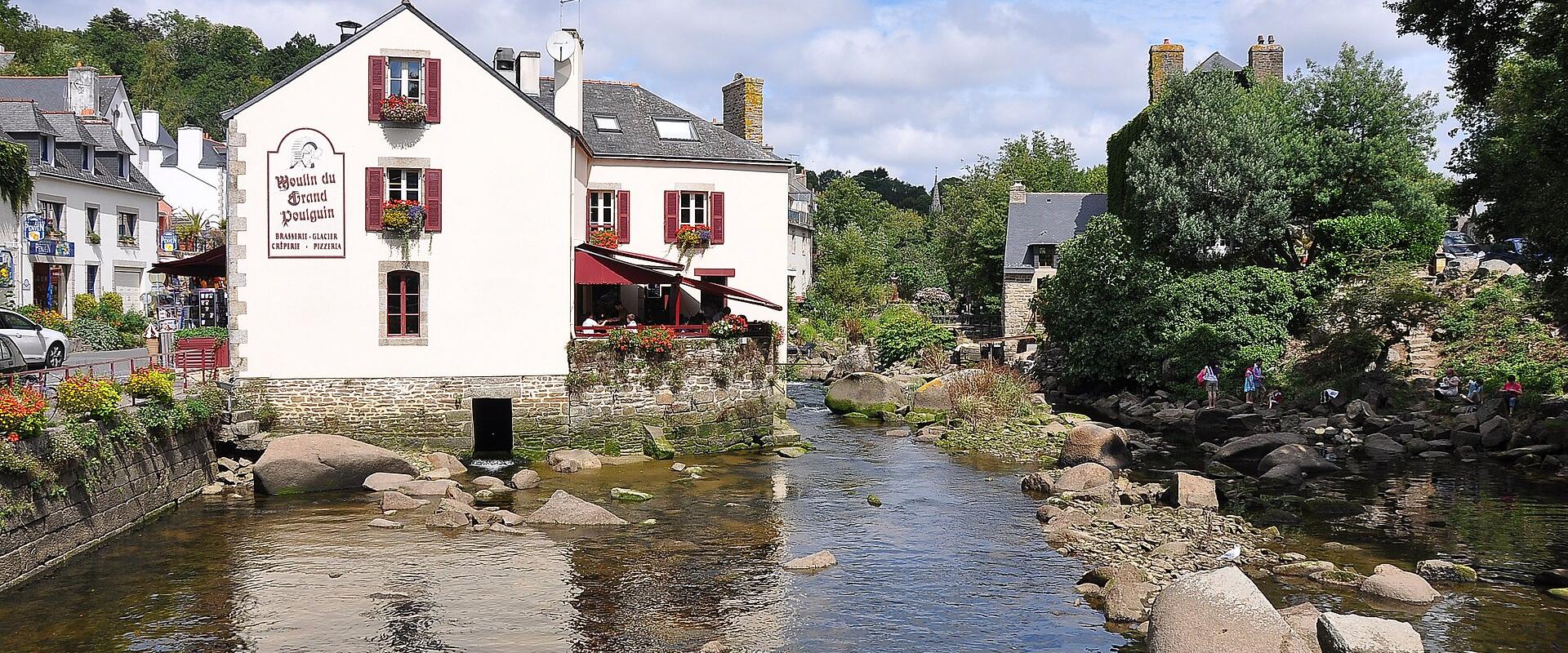
Pont-Aven, situated in the Finistère department of northwestern France, is a village with a profound artistic and cultural identity. Historically, it was a small agricultural and milling community until the late 19th century when it attracted a colony of artists seeking the region's unique light and landscapes. Gauguin first came in 1886, and in 1888 Émile Bernard and Paul Gauguin, with Paul Sérusier, developed the Cloisonnist and Synthetist style here, marking a significant shift in post-Impressionist art. This period established Pont-Aven as a center for the 'Pont-Aven School,' drawing painters from across Europe and America. The village's architecture reflects this era, with colorful houses and studios. The local economy has since transitioned from agriculture and fishing to tourism and the arts, with numerous galleries and workshops preserving the artistic legacy. The village also retains strong Breton traditions, evident in its festivals and local crafts, and it remains one of the best-known small places in Brittany.
The main attractions in Pont-Aven revolve around its artistic heritage and natural setting. The Musée des Beaux-Arts de Pont-Aven is the primary cultural site, housing a significant collection of works from the Pont-Aven School and other modern artists. The Centre Historique de Pont-Aven provides context on the village's artistic history. The Bois d'Amour, a wooded park along the river, is famous for the setting where Sérusier painted 'The Talisman' in 1888 under Gauguin's guidance. The Chapelle de Trémalo, a small chapel in the woods, holds the wooden crucifix that inspired Gauguin's 'Yellow Christ,' and it is a popular spot for reflection and photography. The Port de Pont-Aven offers views of the river and the surrounding countryside, and the Croix du Cimetière and La Maison des Sculpteurs are further stops listed locally. The town center features narrow streets lined with art galleries, boutiques and cafes, creating a vibrant atmosphere, and the Guinguette de Pont-Aven is an open-air venue at Aven Parc.
Pont-Aven offers various activities for visitors interested in art, nature and culture. Walking tours along the Aven River allow visitors to explore the sites that inspired the artists. The 'Sentier des Peintres' (Painters' Trail) connects key locations associated with the artistic colony. The village hosts the Festival de Pont-Aven, an annual event celebrating music and arts. The surrounding Finistère region offers opportunities for hiking and cycling, with marked trails through the countryside and along the coast, and the beach at Le Pouldu, where Gauguin and his friends stayed in 1889 and 1890, is a short drive. The nearby town of Quimper, the capital of Cornouaille, offers additional cultural attractions, including its cathedral and museums. The local cuisine features Breton specialties, including crêpes, galettes and seafood, and the butter biscuits known as galettes de Pont-Aven are a local product. The region is also known for its cider and calvados.
Getting to Pont-Aven is convenient via car, as it is located near Quimper. The village is accessible via the D784 and D785 roads. For those traveling by train, the nearest station is in Quimper, from where buses or taxis can reach Pont-Aven. The best time to visit is from late June to early September, when the weather is warm and pleasant, ideal for exploring the outdoor attractions and walking tours. July and August are the warmest months, with average highs around 22°C, but also the busiest. Spring and autumn offer milder weather and fewer crowds, making them suitable for sightseeing and museum visits. Winter is cooler and quieter, offering a serene atmosphere for indoor museum visits.
Best time to visit
Late June to early September offers warm weather and ideal conditions for outdoor activities and sightseeing.
What to see in Pont-aven
Our picks first.
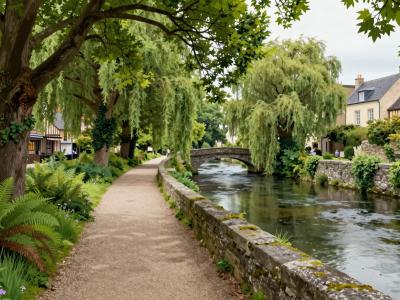
Pont-Aven River Walk
Scenic walk along the Aven River in historic Brittany
Historic Towns · Rivers & Lakes
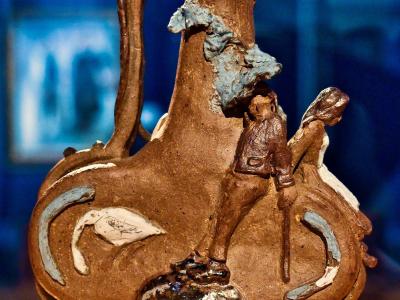
Musée des Beaux-Arts de Pont-Aven
1985 museum of Pont-Aven School Post-Impressionism
From $5.73 Art Museums · Historic Towns
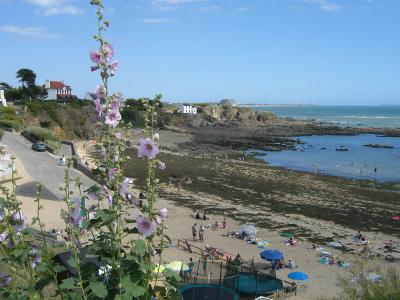
Le Pouldu Beach
Sandy beach near Pont-Aven's art district
Free Beaches · Coastal Promenades
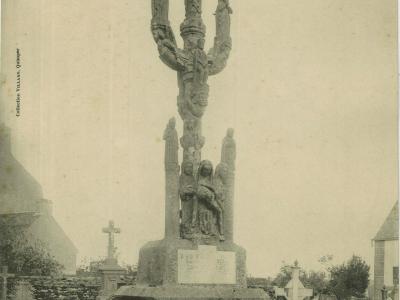
Croix du Cimetière
16th-century calvary in Pont-Aven's cemetery
Historic Architecture
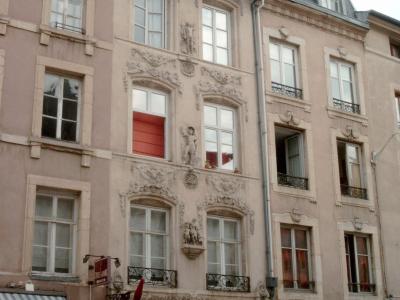
La Maison des Sculpteurs
19th-century sculpture museum in Pont-Aven
Museums & Culture
Pont-aven by interest
The same sights, grouped by what you came for.
Did you know?
Checked facts about Pont-aven, each with its source.
-
History
Pont-aven Has Another Verifiable Detail
The village is characterized by its colorful half-timbered houses, narrow streets, and numerous art galleries.
Source: Pont-Aven | Dallas Museum of Art Uncrated -
History
Pont-aven Has Another Verifiable Detail
Pont-Aven offers a blend of cultural history, scenic landscapes, and traditional Breton atmosphere.
Source: Pont-Aven, from Landscape to Canvas -
Notable Person
Pont-aven Is Shaped by a River
Situated on the banks of the Aven River, it served as a major hub for artists in the late 19th century, particularly the Pont-Aven School, which included figures like Paul Gauguin and Émile Bernard.
Source: Pont-Aven
Planning a visit to Pont-aven
Good to know
- Currency
- EUR
- Language
- French
Quick Facts
Book your stay
Questions people ask
More places in Brittany
Brittany
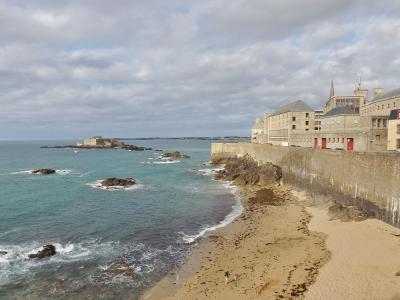
Saint-Malo
The walled corsair city of Brittany's Emerald Coast, ringed by beaches and tidal islands
Brittany
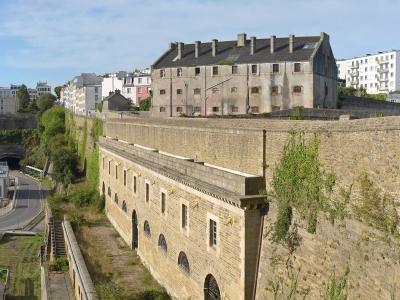
Brest
Atlantic port city with maritime museums and modern architecture
Brittany
Vannes
Medieval walled city in Brittany with half-timbered houses
Brittany
Rennes
Capital of Brittany with medieval center and vibrant student life