







Église Notre-Dame-du-Puy
12th- to 18th-century alpine Romanesque church in Grasse
- Hours
- Open.
- Where
- Grasse, Provence-Alpes-Côte d'Azur
- Directions
- Directions
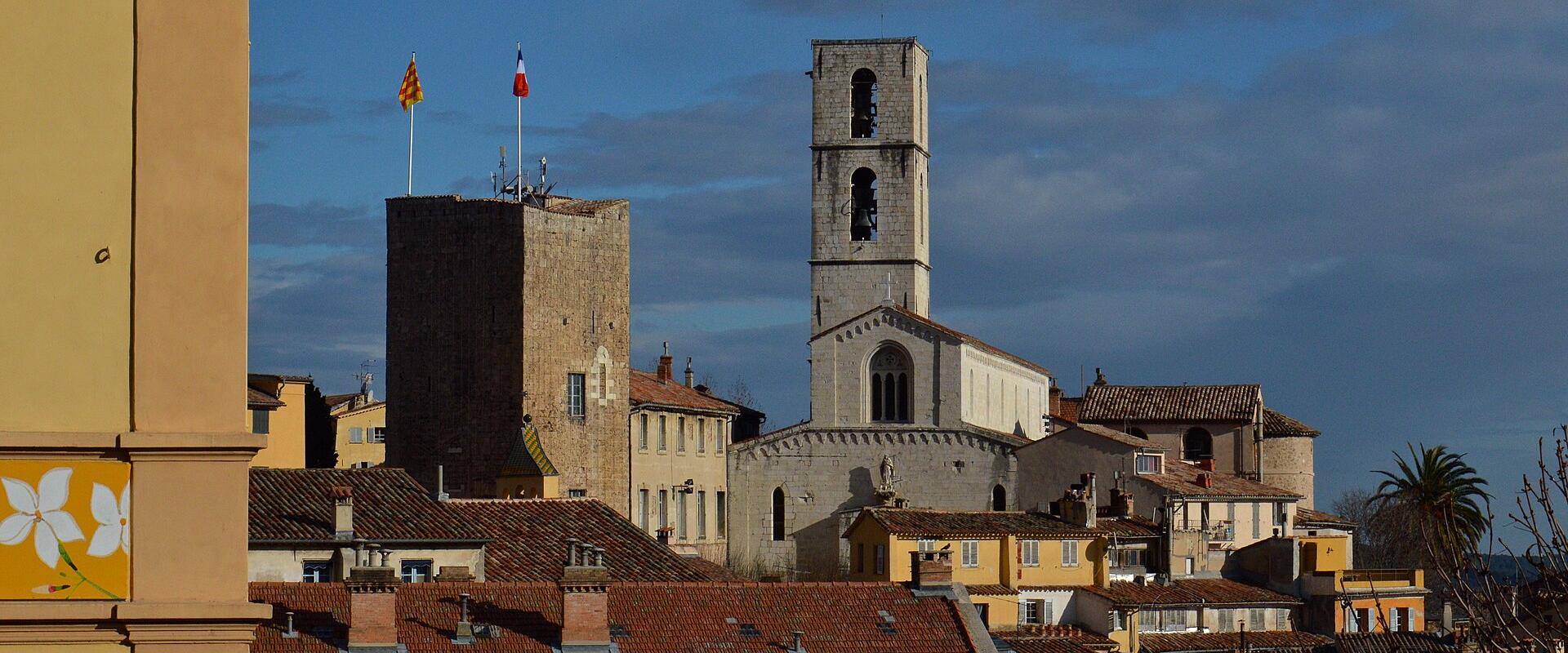
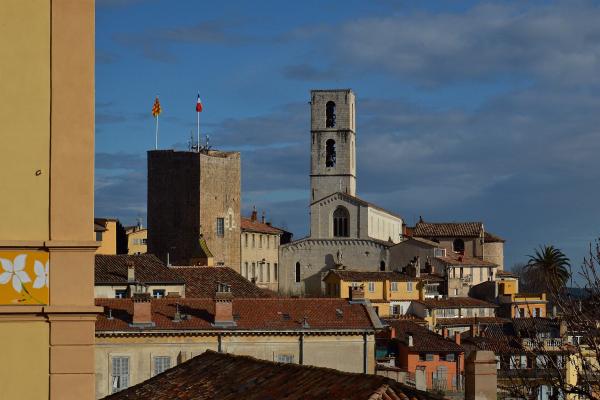
The Église Notre-Dame-du-Puy stands at the top of the old town of Grasse, on a rocky height above the Place du Petit Puy, and it was the cathedral of the city until the diocese was suppressed after the Revolution. It is the oldest and most important church in town, and its position, high above the roofs with a wide view toward the sea, gives it presence even though its exterior is plain. The architecture is Provençal, with strong Romanesque character, and the building as it stands is the product of several centuries of work, from the twelfth to the eighteenth, which gave it a mixture of styles.
The church shows the influence of its position between France and Italy. Grasse is close to Liguria, and the church's solid walls, rounded arches and massive piers belong to a tradition that has links with northern Italy, which is why descriptions speak of an Alpine or Lombard flavour. The interior has a nave and two aisles divided by thick columns and covered with vaults, and the proportions are broad and calm. The light is dim, which gives the space a reverent, cool atmosphere that is a relief on hot days, when the lanes outside are bright and warm. The details of the interior, with its chapels, altars and furnishings, reflect the eighteenth-century taste that altered the older fabric.
The church holds a number of important paintings, which are one of the surprises of a visit. Works attributed to Peter Paul Rubens and to Jean-Honoré Fragonard, the painter born in Grasse in 1732, hang here, and the local painter Louis Brea is also represented. Fragonard's The Washing of the Feet is especially linked to the town, since it is a rare religious work by an artist known mostly for lighthearted scenes, and it connects the church with the story of the city's most famous son. Check on site which works are on view, as arrangements may change.
The church sits in the middle of the old town, so it is easy to combine with a walk through the lanes. The Place aux Aires, a small arcaded square, lies close by, and the Rue de la République leads through the old town. The Musée d'Art et d'Histoire, the Musée International de la Parfumerie, the Jardin des Parfums et des Plantes and the perfume houses of Fragonard and Marsan show the other side of Grasse's identity, as the capital of perfume. The Parc de la Paix offers a green break.
Entry is usually free. Because it is an active church, dress modestly and avoid visiting during services. A visit takes about half an hour, and it suits art lovers, history fans and anyone who likes quiet churches.
Categories
More photos coming soon
Opening Hours
- Open
- Open.
Hours and prices change, especially out of season. Check with the venue before you go.
Nearby Attractions
Other places to visit in Grasse
Parc de la Paix
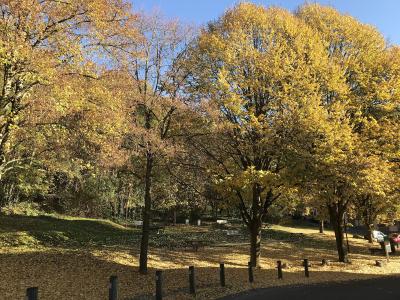
Historic park in Grasse, the world perfume capital
Nature & Parks · Urban Exploration
Marsan Perfumery
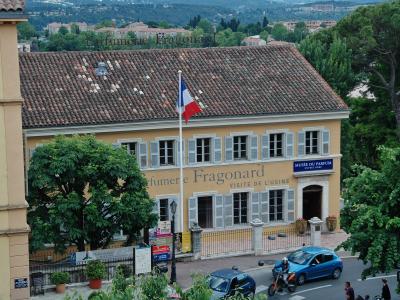
18th-century tannery with antique copper stills
Guided Experiences · Museums & Culture
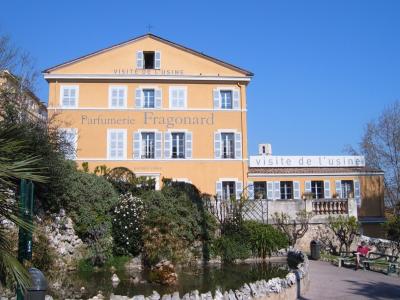
Fragonard Perfumery
18th-century tannery with free guided tours
Free Guided Experiences · Historic Architecture
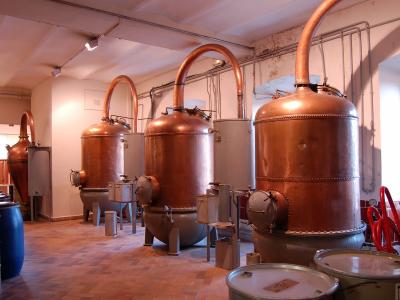
Musée du Parfum Fragonard
Grasse's first perfume museum in a historic factory
Free Museums & Culture
Questions people ask
Quick Facts
Best Time to Visit
Early July to mid-August offers warm weather and ideal conditions for outdoor activities and sightseeing.